Introduction
Camel milk has been consumed for centuries across various cultures, particularly in arid regions where camels are integral to daily life. Known for its rich nutritional profile and medicinal properties, camel milk is emerging as a modern superfood. From promoting height growth to enhancing skin health and improving brain function, camel milk offers numerous health benefits for both males and females. This guide explores the various camel milk benefits, making it clear why this ancient beverage is gaining popularity worldwide.
Camel Milk Production

Camel milk production is an integral part of the agricultural economy in arid and semi-arid regions, particularly in the Middle East, North Africa, and parts of Asia. This is largely due to camels’ remarkable adaptability to harsh desert conditions where other livestock struggle to survive. Unlike cows, camels produce milk even in extreme heat, limited water availability, and scarce food resources, making them a reliable source of nutrition for communities living in these environments.
Top Producers:

-
Saudi Arabia: Has invested significantly in modern camel dairy farms.
-
Kenya & Somalia: Rely on traditional pastoral systems.
-
India: Rajasthan and Gujarat focus on expanding the camel milk industry through cooperatives and private enterprises.
Camel Breeds Used:

Dromedary (one-humped):

Predominantly found in the Middle East and Africa, known for its high milk yield and resilience to extreme temperatures.
Bactrian (two-humped):

Native to Central Asia, including regions of China and Mongolia, known for producing milk with higher fat content, though in smaller quantities compared to the Dromedary.
Nutritional Value

Camel milk is highly nutritious, rich in vitamins C and B, iron, calcium, and unsaturated fatty acids. It is often consumed for its potential health benefits, including boosting immunity, aiding digestion, and managing conditions like diabetes and autism due to its low lactose and high insulin-like protein content.
Sustainability

Camel milk production is considered environmentally friendly because camels:
-
Require significantly less water than cows.
-
Thrive on sparse vegetation, reducing the need for intensive feed cultivation.
-
Produce lower greenhouse gas emissions compared to other dairy livestock.
This makes camel dairying a sustainable choice for dairy production in water-scarce regions, contributing to food security and economic stability.
Physical Properties of Camel Milk

Camel milk stands out from other types of milk due to its unique composition and characteristics, making it a valuable dietary option in many regions.
Appearance:

Camel milk is typically white and opaque, with a smooth consistency. Unlike cow’s milk, it lacks the yellowish tinge due to lower levels of carotene, giving it a purer, more pristine look.
Taste:

The taste of camel milk is mildly salty with a creamy, rich texture. This slight saltiness is attributed to the high mineral content, particularly sodium and potassium, which also contribute to its refreshing quality, especially in arid climates where camels are commonly raised.
Shelf Life:

Camel milk can remain fresh for a longer period even without refrigeration, making it highly suitable for regions with limited access to modern storage facilities. This is due to its natural antibacterial and antimicrobial components such as lactoferrin, lysozyme, and immunoglobulins.
Composition of Camel Milk

Camel milk is renowned for its unique nutritional profile, offering a wide range of essential nutrients that contribute to overall health and well-being. Its composition sets it apart from other types of milk, making it a valuable dietary addition.
Key Nutrients:

-
Proteins: Camel milk contains high-quality proteins, including casein and whey, which are crucial for muscle growth, tissue repair, and immune system support. These proteins are easier to digest and less likely to cause allergic reactions.
-
Vitamins: Camel milk is rich in essential vitamins, particularly vitamin C (which boosts immunity), and B vitamins (B1, B2, B12), which are essential for energy production, brain function, and red blood cell formation. It also contains vitamin D, which supports bone health and calcium absorption.
-
Minerals: Camel milk is an excellent source of calcium, magnesium, and zinc, essential for strong bones, muscle function, immune health, and wound healing.
-
Fats: The fat content in camel milk is relatively low in cholesterol, making it a heart-friendly option. It is rich in unsaturated fatty acids that help reduce bad cholesterol levels and support brain and cardiovascular health.
Medicinal Properties of Camel Milk

Camel milk is renowned for its medicinal properties, blending centuries of traditional knowledge with modern scientific research. Its unique composition offers numerous health benefits, making it a valuable dietary addition for many individuals.
Antibacterial and Antiviral Properties:
Camel milk contains high levels of lactoferrin, a multifunctional protein known for its powerful antibacterial, antiviral, and antifungal properties. Immunoglobulins, or antibodies present in camel milk, further enhance the immune system’s ability to fight infections.
Anti-inflammatory Benefits:
Camel milk has shown significant anti-inflammatory effects, making it a natural remedy for managing autoimmune disorders such as rheumatoid arthritis and inflammatory bowel disease.
Rich in Antioxidants:
Camel milk is packed with antioxidants, which help combat oxidative stress linked to aging, chronic diseases, and cellular damage. These antioxidants promote cellular health and reduce the risk of conditions such as cardiovascular disease, cancer, and neurodegenerative disorders like Alzheimer’s.
Supports Digestive Health:
Camel milk is easily digestible due to its unique protein structure and lower lactose content compared to cow’s milk. It promotes gut health and has been found to be beneficial for individuals with lactose intolerance, irritable bowel syndrome (IBS), and other gastrointestinal issues.
Potential Aid for Diabetes Management:
Research indicates that camel milk can help manage blood sugar levels due to its insulin-like proteins. Regular consumption may improve insulin sensitivity and help maintain stable blood glucose levels in individuals with diabetes.
Animal Trials/In Vitro Studies

Scientific studies on animals and in vitro models have demonstrated the efficacy of camel milk in various health aspects.
-
Diabetes Management: Lowers blood sugar levels.
-
Autism Support: Enhances cognitive functions in autistic children.
-
Cancer Research: Potential anti-cancer properties due to bioactive compounds.
Healthy Alternatives

Camel milk is a healthy alternative to cow milk, particularly for those with lactose intolerance or milk allergies.
Plant-Based Alternatives:
-
Almond milk
-
Soy milk
-
Oat milk
Animal-Based Alternatives:
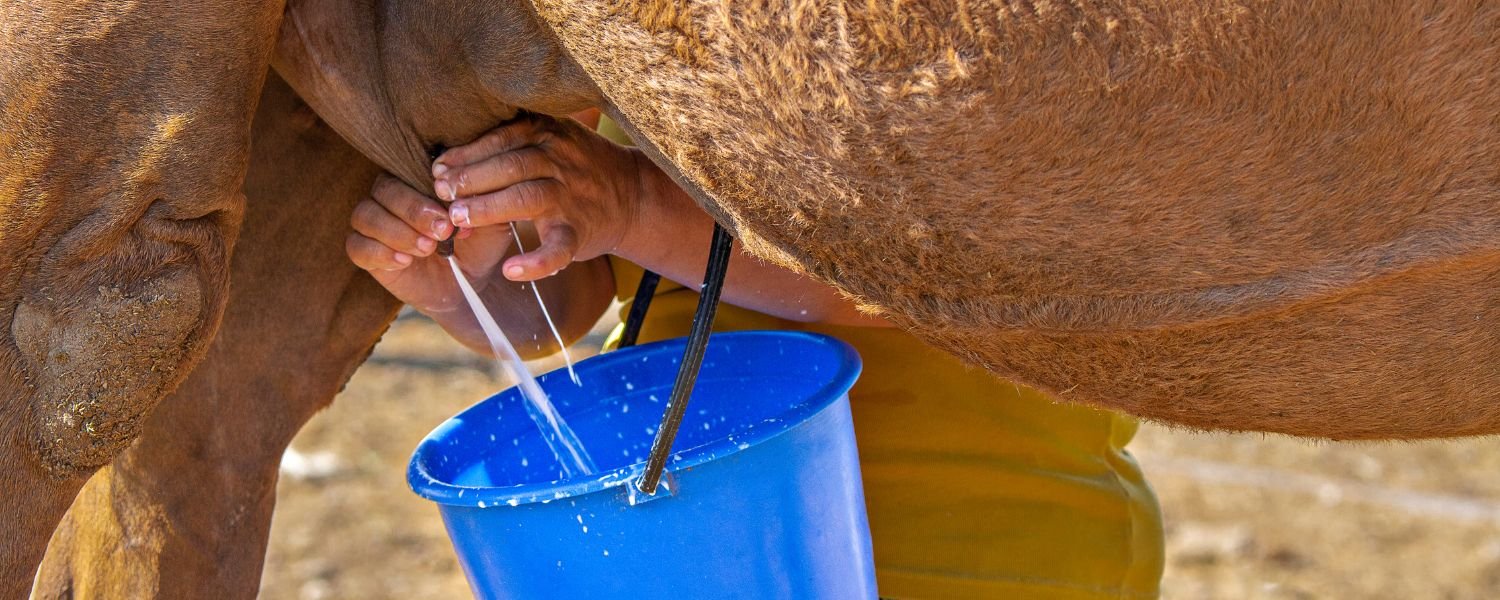
Potential Health Benefits of Camel Milk
-
Camel Milk Benefits for Height Growth: Camel milk is an excellent source of calcium, phosphorus, and essential vitamins like vitamin D, crucial for bone development. Regular consumption aids in height growth, particularly in growing children and adolescents.
-
Camel Milk Benefits for Skin: Packed with vitamins C and E, camel milk hydrates the skin, reduces acne, fades blemishes, and combats signs of aging by promoting collagen production and skin elasticity.
-
Camel Milk Benefits for Males: Camel milk enhances physical stamina and muscle growth due to its high protein content. It also supports reproductive health by improving sperm quality and hormonal balance.
-
Camel Milk Benefits for Females: Rich in essential nutrients, camel milk helps regulate hormonal balance, aids in weight management, and promotes healthy skin, nails, and hair.
-
Amul Camel Milk Benefits: Amul’s camel milk offers a convenient and quality-assured source of essential nutrients, ensuring daily nourishment, better digestion, and overall well-being.
-
Camel Milk Benefits for Brain: Camel milk contains omega-3 fatty acids and antioxidants that enhance cognitive function, improve memory retention, and protect against neurodegenerative disorders.
-
Camel Milk Benefits for Autistic Child: Research indicates that camel milk can help reduce behavioral symptoms, enhance social interactions, and improve cognitive functions in children with autism spectrum disorder.
-
Camel Milk Benefits and Side Effects:
-
Benefits: Strengthens immunity, improves digestive health, promotes skin radiance, and boosts energy levels.
-
Side Effects: May cause allergic reactions in some individuals and digestive discomfort when consumed in large quantities.
-
Raw Camel Milk Benefits: Raw camel milk preserves its natural nutrients, including probiotics, making it highly beneficial for gut health, immunity, and overall vitality compared to processed milk.
Conclusion
Camel milk is more than just an ancient beverage; it is a modern superfood with immense health benefits. From enhancing height growth and brain function to improving skin health, camel milk serves as a holistic health solution. Incorporate camel milk into your diet today and experience its transformative benefits.
Ready to explore the world of camel milk? Try it today and unlock a healthier, more vibrant you!
For more health-related information, follow us!
FAQ
1. What are the benefits of drinking camel milk daily?
A. Daily consumption of camel milk boosts immunity, improves digestion, and enhances skin and brain health.
2. Is camel milk good for height growth?
A. Yes, camel milk is rich in calcium and essential nutrients that support bone development and height growth.
3. Can camel milk help with autism?
A. Studies suggest that camel milk can improve cognitive functions and reduce behavioral symptoms in autistic children.
4. Are there any side effects of camel milk?
A. While camel milk offers numerous benefits, excessive consumption can lead to digestive issues or allergic reactions.
5. Where can I buy quality camel milk?
A. Camel milk is available at health stores, online marketplaces, and brands like Amul.

.webp)