Introduction: Understanding the Role of Social Media
In today’s interconnected world, the advent of social media has fundamentally changed how we communicate, share information, and engage with one another. Whether for personal use or business, these platforms have become an integral part of daily life, connecting billions globally.
Yet, social media, with its immense influence, comes with its set of advantages and disadvantages. This essay aims to explore both sides, offering a balanced view of how social media has shaped modern society.
Social media, from platforms like Facebook and Instagram to TikTok and Twitter (now known as X), has redefined the landscape of communication and interaction. As of 2024, more than 4.3 billion people are active on social media, a number that continues to grow exponentially.
These platforms are not just spaces for personal interaction but also hubs for business promotion, education, activism, and entertainment. However, with this power comes responsibility, and the debate over the positive and negative effects of social media is ongoing.
What Is Social Media? A Brief Overview

Before we dive into the pros and cons, it’s important to understand what social media is. Social media refers to digital platforms that enable users to create and share content or participate in social networking.
From posting photos and videos to sharing thoughts, ideas, and news, these platforms allow for a wide range of human interaction.
Popular platforms like Facebook, Instagram, LinkedIn, TikTok, and YouTube have become the leading channels for online communication.
Originally designed for personal connection, social media has since evolved into a powerful tool for businesses, political movements, and social change.
The Rise of Social Media: A Timeline
To appreciate the vast influence of social media, let’s take a look at its evolution:
- Myspace (2003): One of the first major social platforms, where users could create personal profiles, share music, and connect with others.
- Facebook (2004): Initially for college students, Facebook quickly became the world’s largest social networking platform.
- YouTube (2005): A platform that revolutionized video sharing and content creation, YouTube paved the way for the modern influencer.
- Instagram (2010): Focused on photo sharing, Instagram grew to become a major marketing tool for brands and individuals.
- TikTok (2016): A video-sharing app that exploded in popularity due to its short, engaging content format.
With these platforms, social media quickly moved from being a novelty to a necessity in modern life.
The Pros of Social Media: Enhancing Connection and Opportunity
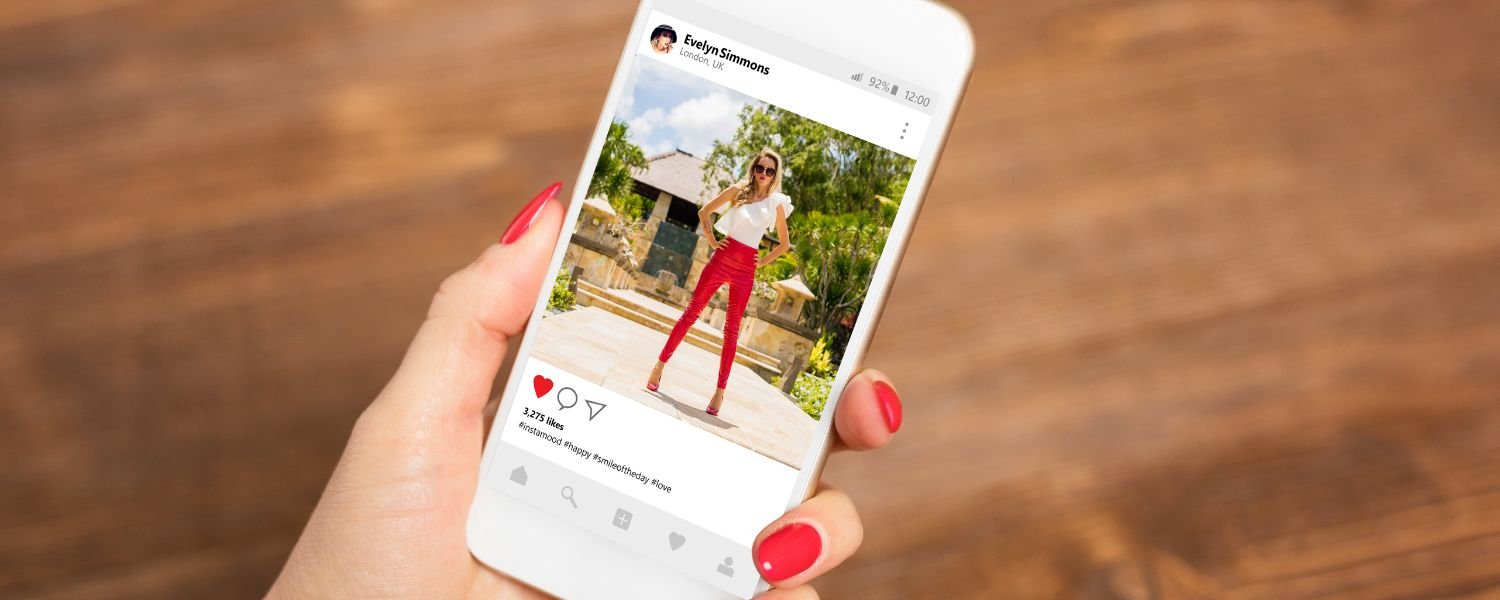
There’s no denying the numerous benefits that social media offers, from personal communication to professional advancement. Here are some of the most significant pros of using social media:
1. Facilitates Global Communication
One of the most profound impacts of social media is its ability to bridge geographical distances. Whether it’s staying in touch with loved ones across the world or engaging in meaningful conversations with people you’ve never met, social media allows for instant communicationPlatforms like WhatsApp and Facebook Messenger make it easier than ever to chat in real-time, share photos, and even video call, all at no cost.In this context, social media fosters a sense of global community, connecting people from diverse backgrounds, cultures, and experiences.
2. Supports Education and Learning
Social media is an invaluable resource for education. Platforms like YouTube provide free access to tutorials, lectures, and webinars on virtually any subject.
For students, groups on Facebook or Instagram can serve as collaborative spaces to exchange ideas and resources. Moreover, online forums such as Reddit allow for in-depth discussions on a variety of academic and non-academic topics.Educational institutions have also embraced social media to promote events, share information, and foster engagement among students and faculty. In this way, social media broadens access to learning, making it easier to gain knowledge from all corners of the globe.
3. Promotes Business and Marketing
Social media has revolutionized the way businesses reach and interact with customers. Through targeted ads, brands can directly engage their target audience, promoting products and services more effectively than ever before. Platforms like Instagram and TikTok have become essential marketing tools, offering opportunities for creative content and viral marketing campaigns. Moreover, small businesses and entrepreneurs can gain visibility by leveraging social media’s vast reach, often at a fraction of the cost of traditional advertising. Influencer marketing, in particular, has become a major trend, with brands partnering with popular social media personalities to promote their products.
4. Encourages Social Change and Activism
Social media plays a crucial role in mobilizing people for social causes. Hashtags like #MeToo and #BlackLivesMatter have gained international recognition, igniting movements and giving a voice to marginalized communities. Platforms such as Twitter and Instagram serve as spaces for activism, enabling users to raise awareness, organize protests, and advocate for policy changes. This form of digital activism empowers individuals, particularly those without access to traditional forms of power, to participate in meaningful social and political discourse.
5. Builds Communities and Relationships
Social media is a powerful tool for community building. Online groups on platforms like Facebook, Reddit, or Discord allow people with shared interests to come together, discuss topics, and offer support. These communities provide a sense of belonging, especially for those who may feel isolated in their offline lives.For example, hobby groups, mental health support communities, and even professional networks thrive on social media, enabling people to connect and collaborate in ways that were previously unimaginable.
The Cons of Social Media: The Dark Side of Digital Connection

While social media offers many advantages, it’s not without its downsides. Excessive use, improper content moderation, and the addictive nature of these platforms can lead to significant challenges, both at an individual and societal level.
1. Privacy Concerns and Data Security
One of the biggest criticisms of social media is its handling of personal data. Platforms like Facebook and Instagram collect vast amounts of information about users, from browsing habits to personal preferences, which are then used to target ads. While this personalization can be convenient, it also raises serious concerns about privacy and data security.High-profile data breaches and scandals, such as the Cambridge Analytica controversy, have shown how easily personal information can be exploited. Moreover, users often unwittingly share sensitive data, making them vulnerable to hacking, identity theft, and other cybercrimes.
2. Addiction and Time Management Issues
Social media is designed to be addictive. The endless scroll, constant notifications, and dopamine hits from likes and shares can trap users in a cycle of consumption. This often leads to excessive screen time, affecting productivity, sleep patterns, and real-world relationships.In fact, studies have shown that many users struggle with social media addiction, spending hours every day browsing through feeds, which can lead to feelings of guilt, frustration, and a sense of wasted time.
3. Spread of Misinformation and Fake News
The speed at which information spreads on social media is both a blessing and a curse. While it allows for real-time updates, it also enables the rapid dissemination of misinformation and fake news. During critical events like elections or public health crises, false information can spread quickly, creating confusion and even putting lives at risk.For example, during the COVID-19 pandemic, social media was rife with conspiracy theories and misleading health advice, which exacerbated public fear and mistrust in science.
4. Impact on Mental Health
Social media’s impact on mental health is one of the most widely discussed disadvantages. Constant exposure to the “highlight reels” of others’ lives can lead to feelings of inadequacy and low self-esteem. This phenomenon, known as “social comparison,” can trigger anxiety, depression, and body image issues, especially among young people.Furthermore, cyberbullying and online harassment are pervasive problems on social media platforms. The anonymity offered by the internet emboldens trolls and bullies, leading to emotional and psychological harm for victims.
5. Fostering Unrealistic Expectations
Social media often presents a curated, idealized version of life, where everyone appears to be thriving, successful, and happy.This portrayal of perfection can create unrealistic expectations for users, leading to dissatisfaction with their own lives. The constant comparison with influencers, celebrities, and even peers can fuel feelings of envy, inadequacy, and frustration.
6. Social Media and Society: A Mixed Impact
Social media’s influence extends far beyond individual users. It shapes societal norms, business practices, and even political landscapes. However, its effects can be both constructive and destructive.
7. Political Influence and Polarization
Social media has fundamentally altered political discourse. On the one hand, it allows for greater engagement in political processes, enabling citizens to participate in debates, campaigns, and movements. On the other hand, social media algorithms often promote content that aligns with a user’s existing beliefs, leading to echo chambers and increased polarization.In recent years, misinformation campaigns and the spread of extremist content have exacerbated political divisions, making it harder to find common ground on critical issues.
8. Impact on Consumer Behavior
From Instagram influencers to targeted Facebook ads, social media plays a massive role in shaping consumer behavior. Brands leverage these platforms to create visually appealing content that encourages impulsive buying. However, this can lead to overconsumption and financial strain for users who feel pressured to keep up with trends.
FAQs
Q: How does social media affect mental health?
A: Social media can negatively impact mental health by fostering feelings of inadequacy and low self-esteem through social comparison. It can also contribute to anxiety, depression, and stress, particularly when users engage in excessive screen time or experience cyberbullying.
Q: What are the most popular social media platforms in 2024?
A: As of 2024, the most popular social media platforms include Facebook, Instagram, TikTok, YouTube, and WhatsApp, each with millions or even billions of active users worldwide.
Q: How can social media benefit businesses?
A: Social media allows businesses to engage directly with their target audience, promote products through targeted ads, and leverage influencer partnerships. It’s an essential tool for building brand awareness and driving sales.
Q: What is social media addiction?
A: Social media addiction refers to the excessive use of social platforms, leading to compulsive behavior that disrupts daily activities, productivity, and real-world relationships.
Q: How does social media spread misinformation?
A: Due to its rapid sharing capabilities, social media can easily disseminate false information, especially during critical events like elections or health crises. Algorithms often prioritize sensational content, which can exacerbate the spread of fake news.
Q: Is social media good or bad for society?
A: Social media’s impact on society is mixed. It has the potential to bring people together, promote social change, and foster education, but it also contributes to issues like misinformation, polarization, and mental health problems.
Conclusion: The Double-Edged Sword of Social Media
Social media is undeniably one of the most influential tools of our time. Its ability to connect people, drive business success, and support social causes cannot be understated.
However, it is equally important to acknowledge the risks that come with its use, from privacy concerns and mental health impacts to the spread of misinformation.
In the end, whether social media is a force for good or bad depends on how individuals and society choose to engage with it.
By understanding the pros and cons of social media, we can harness its benefits while mitigating its risks, ensuring a healthier, more informed online experience for all. For more insights into online behavior, explore our blog: Stalking on Social Media

.webp)