Introduction
Oily skin can be challenging. You might think skipping moisturizer will help reduce shine, but that’s a misconception. Moisturizing is essential, even for oily skin.
The right moisturizer balances oil production while keeping skin hydrated and healthy. It can help control excess oil without feeling heavy or greasy.
This guide will cover how to choose the best moisturizer for oily skin, what ingredients to look for, and top product recommendations.
What Is A Gel Moisturizer?
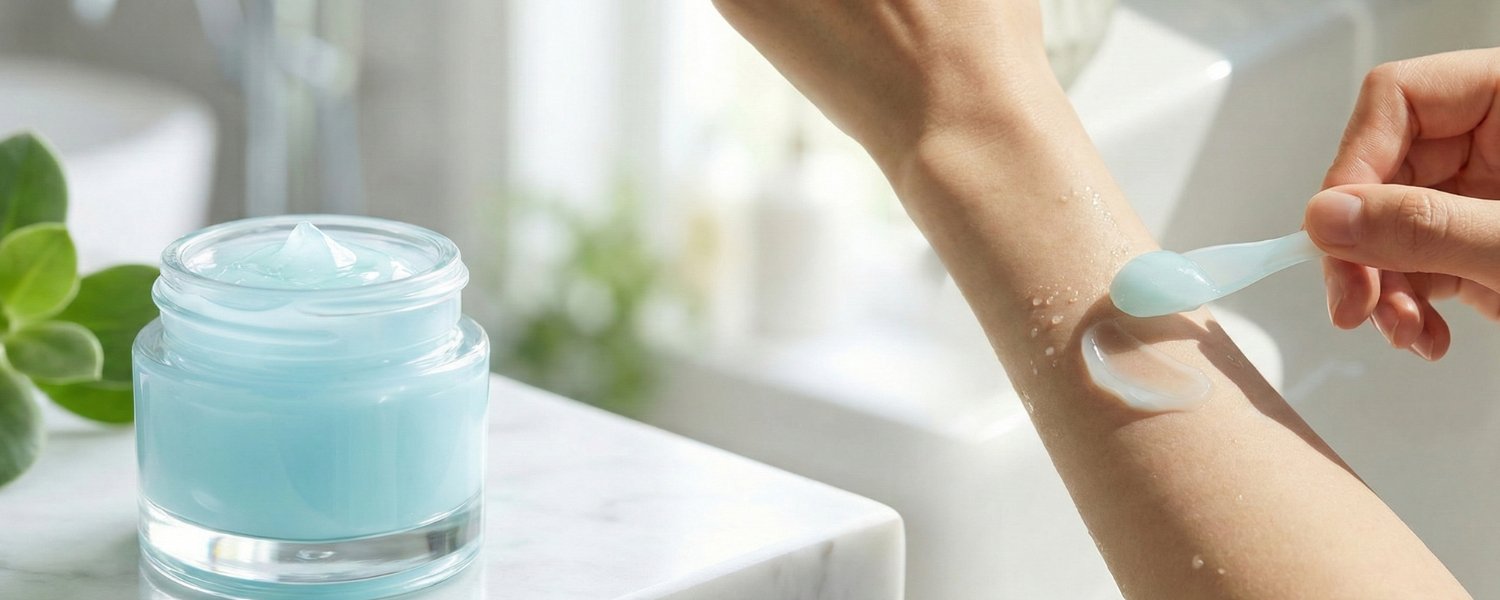
When discussing moisturizers for oily skin, gel moisturizers often come up. But what exactly are they? Gel moisturizers are water-based formulations that have a lightweight,humid climates.
- Oil Control: By providing adequate hydration, gel moisturizers can actually helps regulate your skin’s oil production. When your skin is dehydrated, it tends to overproduce oil to compensate. A good moisturizer prevents this overproduction.
- Pore-Friendly: Many gel moisturizers are non-comedogenic, meaning they won’t clog your pores. This is essential for oily skin, which is prone to breakouts.
- Cooling and Refreshing: The gel texture often provides a cooling sensation, which is particularly soothing for irritated or inflamed skin.
- Better Makeup Application: A well-hydrated base allows makeup to go smoother and last longer without looking cakey or greasy.
Best Moisturizer For Oily Skin
Finding the “best” moisturizer depends on individual preferences and skin needs. However, here are some key ingredients and types of moisturizers that are generally well-suited for oily skin:
- Gel-Based Moisturizers: As discussed, these are a top choice for their lightweight, non-greasy feel.
- Water-Based Moisturizers: Similar to gel moisturizers, these provide hydration without adding oil.
- Hyaluronic Acid Moisturizers: Hyaluronic acid is a humectant, meaning it attracts and retains water. It’s excellent for providing hydration without the weight of oil.
- Niacinamide Moisturizers: Niacinamide helps regulate oil production, reduce inflammation, and improve skin texture.
- Salicylic Acid Moisturizers: For oily, acne-prone skin, salicylic acid can help exfoliate and unclog pores.
- Ceramide Moisturizers: Ceramides help strengthen the skin barrier, improving overall Better Health of skin and reducing oiliness.
How Can a Moisturizer Help Oily Skin
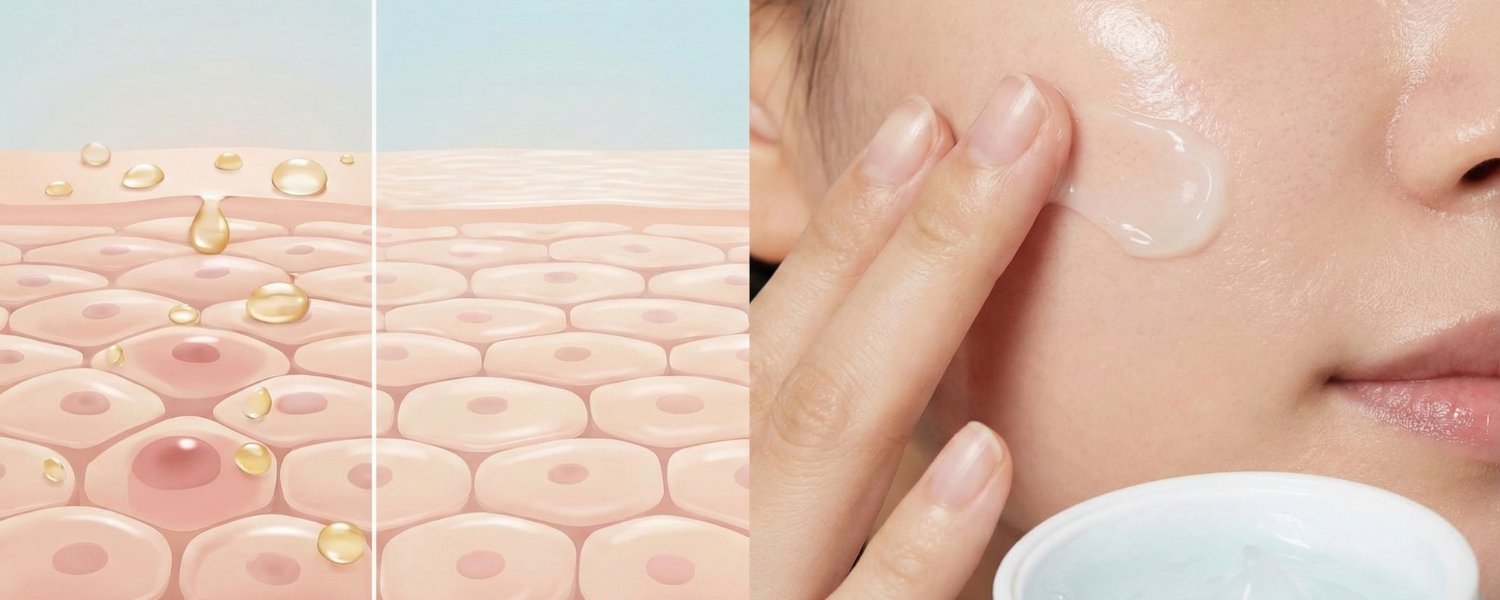
It might seem counterintuitive, but a moisturizer can help oily skin in several ways:
- Balancing Oil Production: When dehydrated skin produces more sebum (oil) to compensate. By providing adequate hydration, a moisturizer regulates sebum production, prevents your skin from becoming overly oily.
- Preventing Dehydration: Oily skin can still be dehydrated. Dehydration can lead to increased oil production, clogged pores, and breakouts. A moisturizer keep your skin hydrated and healthy.
- Strengthening the Skin Barrier: A healthy skin barrier is essential for maintaining moisture and protecting your skin from environmental aggressors. A good moisturizer helps enhance the skin barrier, reducing sensitivity and irritation.
- Reducing Inflammation: Many moisturizers contain ingredients that soothe inflammation and redness, common in oily, acne-prone skin.
- Improving Skin Texture: Regular moisturizing can improve skin texture, making it smoother and more even.
How to Use Moisturizers on Oily Skin
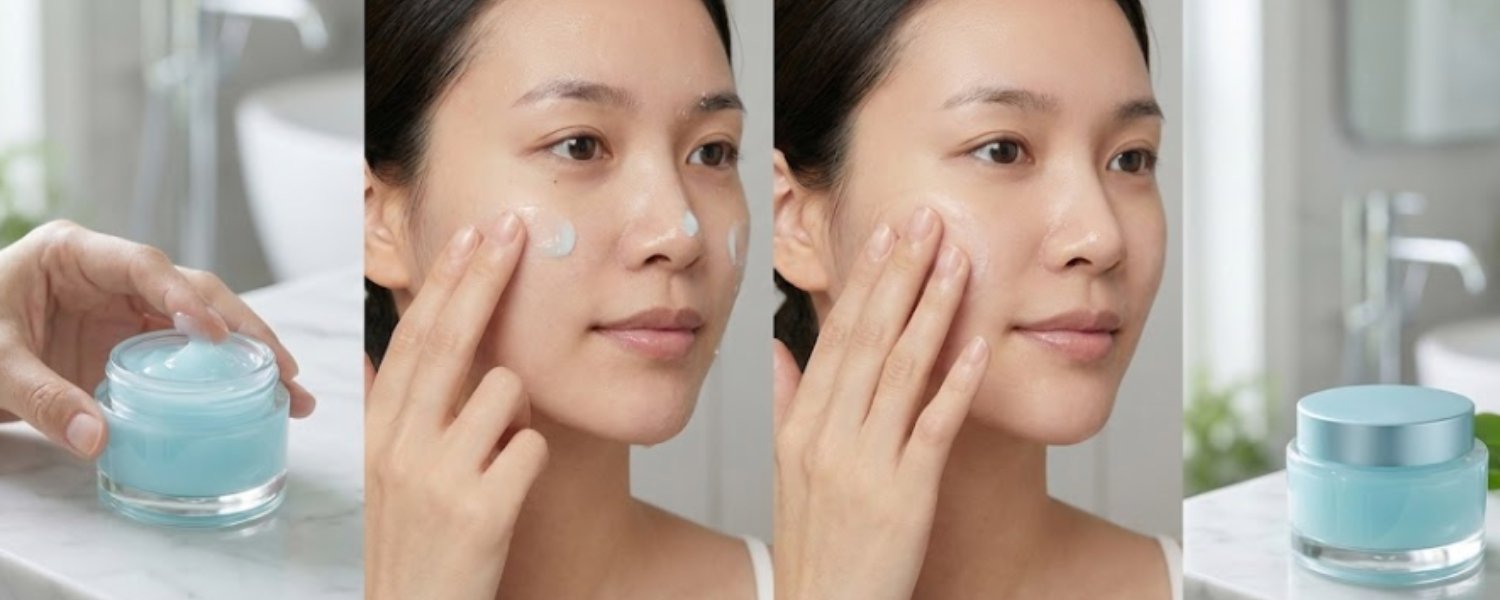
Using a moisturizer correctly is as important as selecting the right one. Here’s how to apply moisturizer for oily skin:
- Cleanse Your Face: Start with a clean face. And then use a gentle cleanser that removes excess oil as well as impurities without stripping your skin.
- Apply Toner (Optional): If you use any toner, apply it after doing cleansing. A toner can help balance your skin’s pH and prepare it for moisturizer.
- Apply Serum (Optional): If you use any serum, apply it before your moisturizer. Serums are lightweight and can target specific skin concerns.
- Apply Moisturizer: Apply a pea-sized amount of moisturizer to the fingertips. Gently massage it into your face as well as neck using upward, circular motions.
- Focus on Dry Areas: Pay extra attention to dry areas like your cheeks and mouth.
- Avoid Over-Applying: Don’t apply too much moisturizer, as this can make your skin feel greasy. A thin, even layer is sufficient.
- Use Morning and Night: Moisturize your skin twice daily, in the morning and at night.
- Sunscreen: In the morning, follow up with a broad spectrum sunscreen with an SPF of 30 or higher. Sunscreen is really important for protecting your skin from sun damage.
Things to Consider When Buying a Moisturizer for Oily Skin
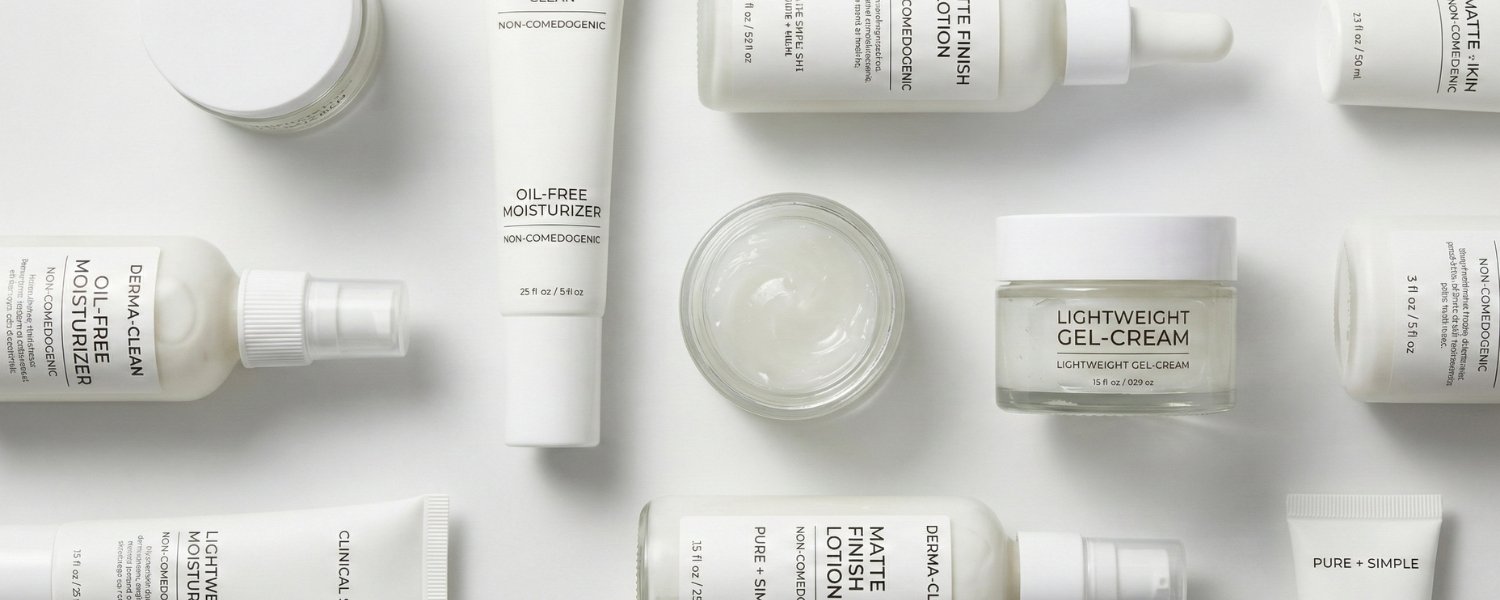
Choosing the right moisturizer can make a significant difference in how your skin looks and feels. Here are some key factors to consider:
Skin Type: Ensure the moisturizer is formulated for oily or combination skin. Look for labels like “oil-free,” “non-comedogenic,” or “mattifying.”
- Ingredients: Hyaluronic Acid: Excellent for hydration without oil.
- Niacinamide: Helps control oil and reduce inflammation.
- Salicylic Acid: Helps exfoliate and unclog pores.
- Glycerin: A humectant that attracts moisture.
- Ceramides: Strengthen the skin barrier.
- Avoid: Heavy oils, fragrances, and alcohol, which can irritate oily skin.
Texture: Opt for a lightweight, gel-based, or water-based texture that absorbs quickly.
Oily skin benefits from light textures. Gel and water-based moisturizers deliver hydration without heaviness. Quick absorption prevents a greasy feel, ensuring comfort throughout the day. This avoids a sticky residue, allowing the skin to breathe freely.
Non-Comedogenic: Choose a moisturizer that won’t clog pores and cause breakouts.
Non-comedogenic formulas are crucial for oily skin. They are designed to minimize pore blockage, reducing the risk of acne. This ensures the moisturizer hydrates without contributing to breakouts, keeping the skin clear and healthy.
Matte Finish: If you prefer a matte finish, look for moisturizers designed to control shine.
Matte finish moisturizers help manage excess oil and shine, providing a smooth, non-glossy appearance. This is especially useful for daytime wear, creating a polished look. These products often contain ingredients that absorb excess sebum.
SPF: Consider a moisturizer with SPF for daytime use to protect your skin from sun damage.
Integrating SPF into your moisturizer simplifies your routine while protecting against harmful UV rays. Sun protection is important to prevent premature aging and skin damage. Opt for broad-spectrum SPF 30 or higher for adequate defense.
Reviews and Recommendations: Read reviews and seek recommendations from dermatologists or trusted sources.
User reviews and dermatologist recommendations offer valuable insights into product effectiveness. Expert opinions can guide you toward suitable formulations, while customer experiences provide real-world feedback. This make informed decisions and avoid potential pitfalls.
Price: While price isn’t always an indicator of quality, finding a moisturizer that fits your budget is essential.
Effective skincare doesn’t always require high prices. Many affordable options deliver excellent results. Determine your budget and explore products within that range. Prioritize ingredient quality and suitability for your skin over brand prestige.
Climate: Consider your local climate. In humid climates, lightweight gel moisturizers are ideal. In drier climates, you might need a slightly richer formula.
Climate significantly impacts skin needs. Humid environments favor lightweight, fast-absorbing gels to prevent excess oil. Dry climates may require slightly richer, more emollient formulas to maintain hydration and combat dryness. Adapting your moisturizer to your environment is key.
Personal Needs: If you have any specific skin concerns, like acne or sensitivity, look for moisturizers that address those needs.
Individual skin concerns require targeted solutions. If you have acne, seek moisturizers with salicylic acid or niacinamide. For sensitivity, choose fragrance-free and hypoallergenic formulas. Tailoring your moisturizer to your specific needs enhances its effectiveness.
Tips for Keeping the Skin Oil-Free
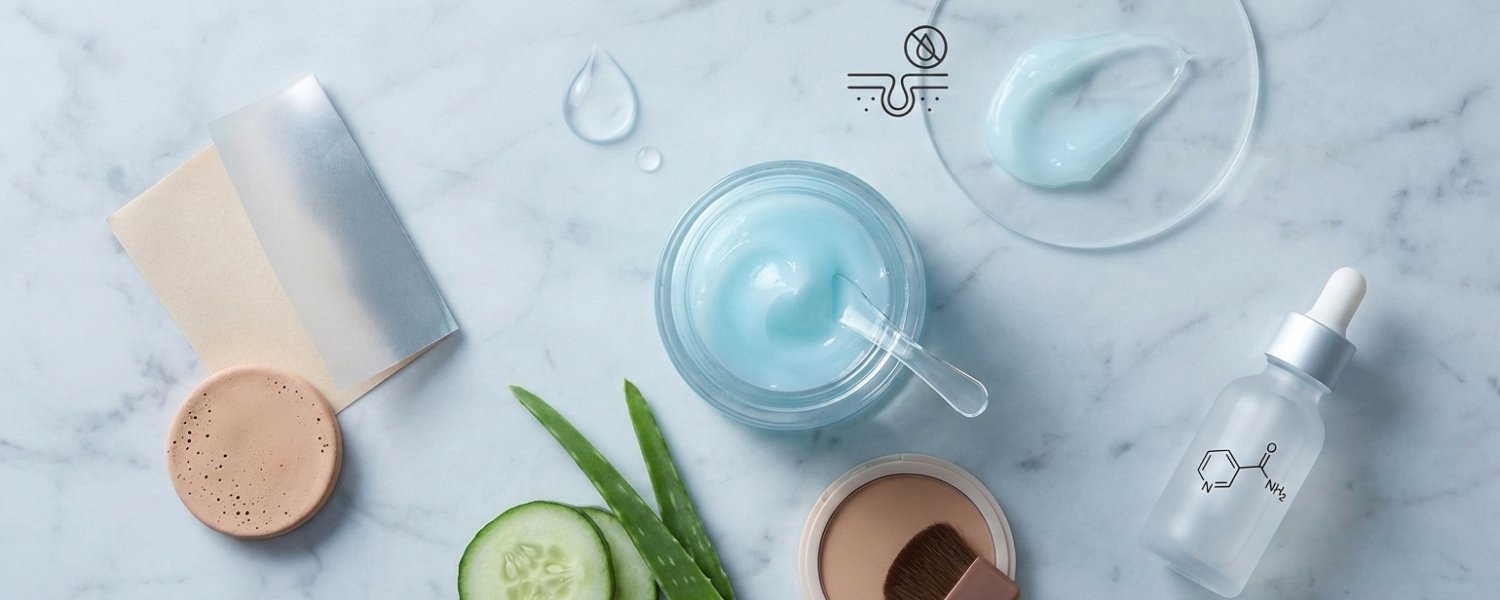
While a good moisturizer is essential, here are some additional tips for keeping your skin oil-free:
-
Regular Cleansing: Wash your face twice daily with a gentle, sulfate-free cleanser to remove excess oil and pollutants, preventing clogged pores and breakouts.
-
Blotting Papers: Use blotting papers throughout the day to absorb excess oil without disturbing makeup. They help maintain a matte appearance.
-
Clay Masks: Use a clay mask once or twice a week to absorb impurities and excess oil, preventing blackheads and refining skin texture.
-
Exfoliation: Exfoliate 1-2 times a week with a mild scrub or chemical exfoliant to remove dead skin cells and prevent breakouts.
-
Avoid Touching Your Face: Avoid touching your face to prevent transferring oil and bacteria, which can clog pores and cause acne.
-
Healthy Diet: Eat a balanced diet with fruits, vegetables, and whole grains. Avoid sugary and processed foods to reduce oil production and inflammation.
-
Stay Hydrated: Drink water to keep your skin hydrated and regulate sebum production, helping maintain a healthy appearance.
-
Manage Stress: Practice stress-reducing activities like yoga or meditation to balance hormones and reduce oil production.
-
Non-Comedogenic Makeup: Choose non-comedogenic makeup to prevent clogged pores and breakouts.
-
Consider a Toner: Use a toner with witch hazel or salicylic acid to remove excess oil and balance your skin’s pH.
-
Use a Mattifying Primer: Apply a mattifying primer to control shine and extend makeup wear.
-
Change Pillowcases Regularly: Clean pillowcases reduce oil buildup and prevent breakouts.
Conclusion
Moisturizing oily skin is not only possible but essential for maintaining healthy, balanced skin. By choosing the right moisturizer—lightweight, non-comedogenic, and formulated for oily skin—you can provide your skin with the hydration it needs without the unwanted greasiness. Remember to consider your skin’s specific needs and preferences, and don’t be afraid to experiment with different products until you find the perfect match. With consistent care and the right moisturizer, you can achieve a healthy, radiant complexion, even with oily skin.
FAQ
Q: Can I skip moisturizer if I have oily skin?
A: No, you shouldn’t skip moisturizer. Even oily skin needs hydration. When dehydrated, skin can overproduce oil to compensate, leading to increased oiliness and breakouts.
Q: What ingredients should I look for in a moisturizer for oily skin?
A: Look for ingredients like hyaluronic acid, niacinamide, salicylic acid, glycerin, and ceramides. Avoid heavy oils, fragrances, and alcohol.
Q: How often should I moisturize my oily skin?
A: Moisturize your skin twice a day, in the morning and at night, after cleansing.
Q: Can I use a moisturizer with SPF on oily skin?
A: Yes, using a moisturizer with SPF is a great way to combine hydration and sun protection. Look for lightweight, oil-free formulas.
Q: Are gel moisturizers better than cream moisturizers for oily skin?
A: Gel moisturizers are generally better for oily skin because they are lightweight, non-greasy, and absorb quickly. Cream moisturizers can be too heavy and occlusive for oily skin.
Q: What is a non-comedogenic moisturizer?
A: A non-comedogenic moisturizer is formulated to avoid clogging pores, which is essential for oily and acne-prone skin.
Q: Can I use a moisturizer with salicylic acid on oily skin?
A: Yes, a moisturizer with salicylic acid can be beneficial for oily, acne-prone skin. Salicylic acid helps exfoliate and unclog pores. non-greasy texture. They’re designed to deliver hydration without the heavy, occlusive feel of cream or oil-based moisturizers.
Think of them as a cool drink of water for your skin. They absorb quickly, leaving your skin refreshed and hydrated rather than sticky or greasy. This makes them ideal for oily and combination skin types.

.webp)