Japan was hit by another significant earthquake, once again highlighting the country’s constant exposure to seismic magnitude. Tremors were felt across multiple regions, causing brief panic and triggering swift emergency responses.
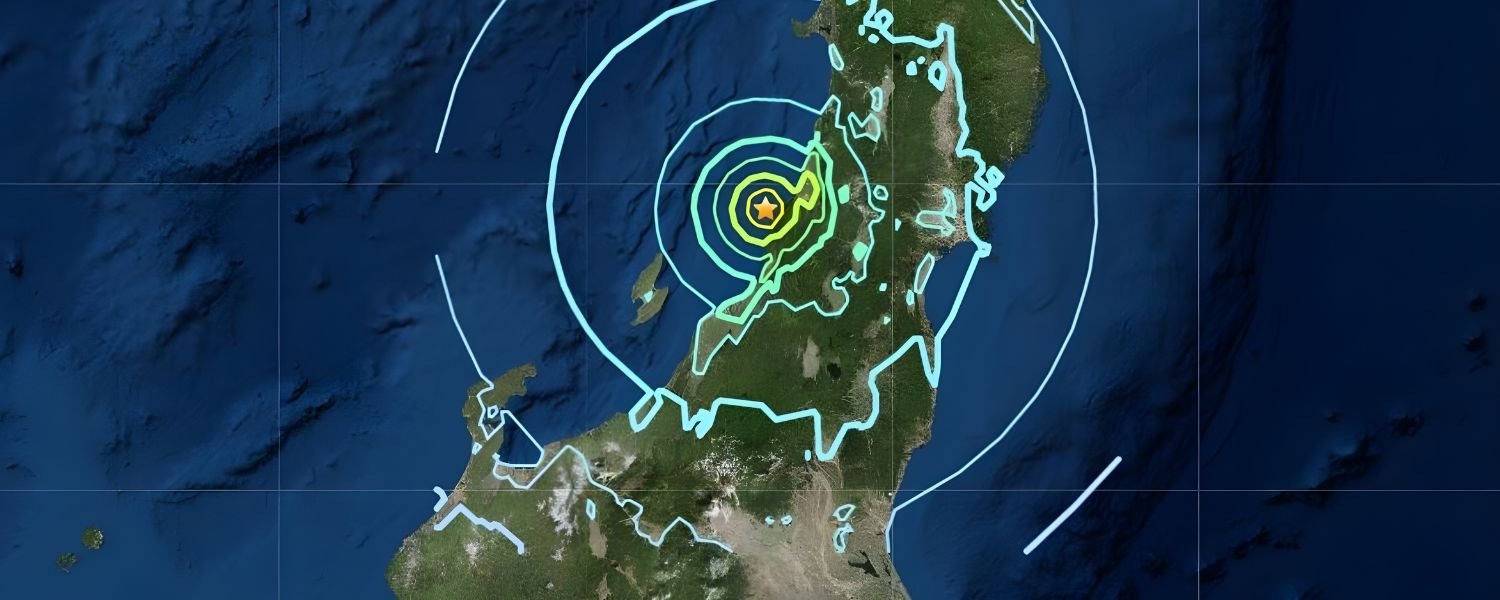
According to the Japan Meteorological Agency, the quake originated offshore, which is common given Japan’s location. Despite the noticeable intensity, early reports indicate minimal large-scale damage, largely due to the nation’s strong preparedness systems.
Where the Earthquake Originated and How It Was Felt
Japan sits along the Pacific Ring of Fire, making earthquakes a frequent occurrence. Residents experienced several seconds of shaking, with buildings swaying but remaining intact thanks to strict construction standards and advanced engineering techniques. Public awareness and regular disaster drills also play a key role in reducing panic during such events.
Early warning alerts via mobile systems and public broadcasts gave people valuable seconds to take safety measures, such as moving to safer areas and securing surroundings, further minimizing potential injuries and damage.
Impact on Infrastructure and Daily Life
Although no widespread devastation has been reported, the earthquake caused temporary disruptions across transportation and public services. Bullet trains were briefly stopped as a precaution, while some local train lines experienced delays.
Airports conducted safety inspections before resuming operations, and several offices and schools evacuated buildings to ensure the safety of occupants. Minor damages such as broken glass, fallen furniture, and localized power outages were reported in certain areas.
Authorities are continuing to assess infrastructure, including roads, bridges, and public utilities, to ensure that there are no hidden structural risks.
Emergency Response and Government Action
The Japanese government acted swiftly following the earthquake. Emergency response teams were deployed to affected regions, and disaster management protocols were activated.
Officials urged citizens to stay alert for aftershocks, which often follow major earthquakes. Public announcements emphasized the importance of keeping emergency supplies ready and following official instructions.
Helplines and emergency services were made available to assist residents, particularly in areas where disruptions were reported. Coordination between national and local authorities ensured that response efforts were efficient and well-organized.
Public Reaction and Community Resilience
Despite Japan’s familiarity with earthquakes, such events continue to cause concern among residents. Social media platforms were quickly filled with real-time updates, videos, and personal experiences shared by people across the country.
Many described taking cover under tables, securing household items, and checking on loved ones immediately after the tremors. Businesses temporarily paused operations, prioritizing safety over routine activities.
However, alongside the initial fear, there was also a strong sense of resilience. Communities supported each other, demonstrating the preparedness and unity that Japan is known for during times of crisis.
Why Japan Experiences Frequent Earthquakes
Japan’s vulnerability to earthquakes is deeply rooted in its geological position. The country sits at the intersection of multiple tectonic plates, including the Pacific Plate and the Philippine Sea Plate.
These plates are constantly moving and interacting, leading to frequent seismic activity. According to data from the United States Geological Survey, thousands of earthquakes occur in and around Japan every year, although many are too small to be felt.
This constant movement makes it nearly impossible to predict exactly when an earthquake will occur, which is why preparedness remains the primary focus.
Japan’s Earthquake Preparedness A Global Benchmark
Japan is widely regarded as one of the most prepared countries in the world when it comes to earthquakes. Over the years, it has invested heavily in infrastructure, technology, and public awareness.
Buildings are designed to withstand strong tremors, using advanced engineering techniques that allow structures to absorb seismic energy. Regular earthquake drills are conducted in schools, offices, and communities to ensure that people know how to respond during emergencies.
The Earthquake Early Warning system plays a crucial role by detecting initial seismic waves and sending alerts before the most damaging waves arrive. This system has saved countless lives by giving people time to take protective actions.
Monitoring Tsunami Risks and Aftershocks
Following the earthquake, authorities closely monitored coastal areas for any signs of tsunami . While no major tsunami warnings were issued, the possibility is always taken seriously in Japan due to past experiences.
Aftershocks remain a key concern, as they can occur minutes, hours, or even days after the initial earthquake. Residents have been advised to remain cautious and avoid damaged structures.
Emergency teams continue to track seismic activity to provide timely updates and ensure public safety.
Lessons from the Latest Earthquake
While this earthquake did not result in catastrophic damage, it serves as a reminder of the unpredictable nature of natural disasters. Each seismic event highlights the importance of preparedness, awareness, and rapid response.
Experts emphasize that countries around the world can learn from Japan’s approach to disaster management. Investments in infrastructure, early warning systems, and public education can significantly reduce the impact of earthquakes.
What Happens Next
Authorities in Japan are continuing to monitor the situation closely, keeping a watch on aftershocks and any changes in seismic activity. Updates from official agencies are expected as more data becomes available.
For residents, the focus remains on staying informed and prepared. Emergency kits, safety plans, and awareness of evacuation procedures are essential in minimizing risks.
As Japan recovers from yet another earthquake, the resilience of its people and the strength of its systems once again stand out as key factors in managing such natural events.
Disclaimer
This article is for informational purposes only. Details about the earthquake may change as new information becomes available. Readers are advised to follow official sources such as the Japan Meteorological Agency and government announcements for accurate and real-time updates.
Sources
For more latest news, in-depth stories, and trending insights from around the world, keep visiting WikiWala and stay connected to what truly matters every day.

.webp)