In a major development that marks the end of an era in the global tech industry, Tim Cook has announced that he will step down as the Chief Executive Officer of Apple Inc. in September 2026. After leading one of the world’s most valuable companies for over a decade, Cook’s transition to Executive Chairman signals both continuity and change for Apple.
This leadership shift comes at a crucial time when the company is navigating challenges in artificial intelligence, hardware innovation, and global competition. As Apple prepares for its next chapter under John Ternus, the industry is reflecting on Cook’s remarkable legacy and what lies ahead.
A Historic Leadership Transition
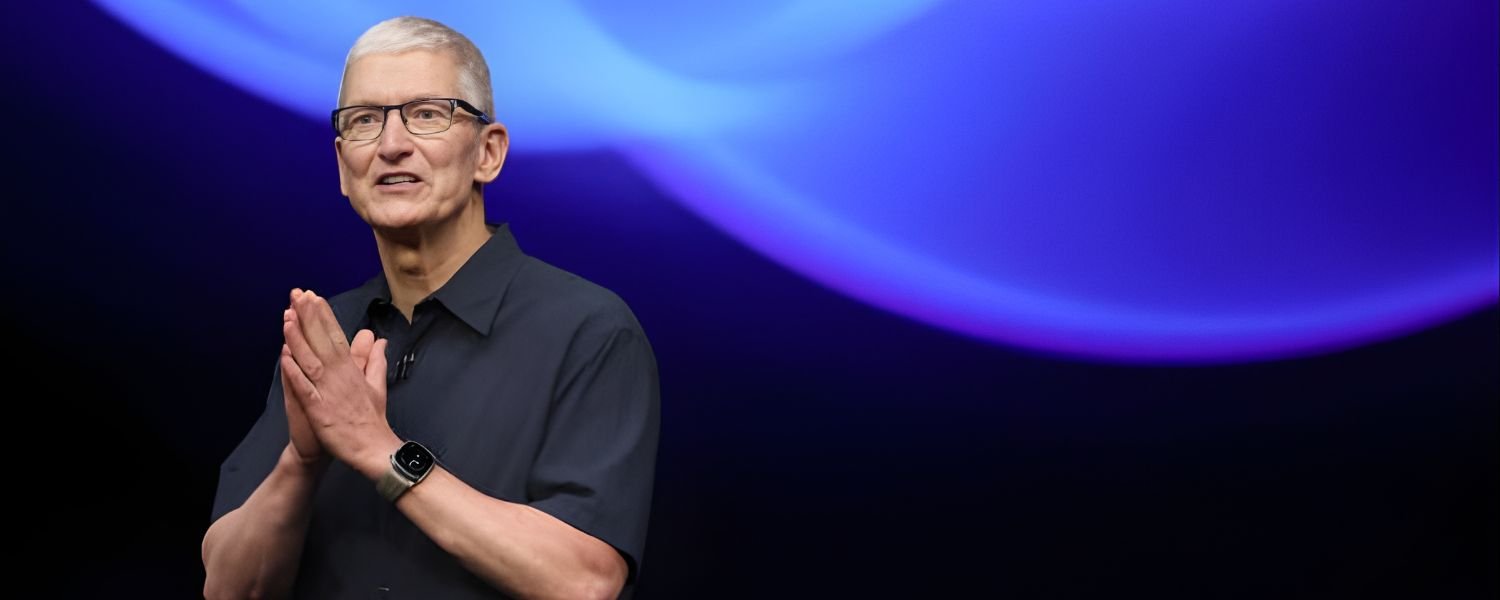
Apple confirmed that Tim Cook will officially step down as CEO on September 1, 2026. However, he will remain closely associated with the company as Executive Chairman, ensuring strategic guidance and continuity.
John Ternus, currently Apple’s Senior Vice President of Hardware Engineering, has been named as Cook’s successor. Known for his role in developing Apple’s core hardware lineup, Ternus is expected to bring a product-focused leadership style to the CEO position.
This transition is being seen as carefully planned rather than sudden, reflecting Apple’s long-standing culture of stability and structured leadership succession.
Tim Cook’s Journey at Apple
Tim Cook joined Apple in 1998, long before it became the trillion-dollar giant it is today. When he took over as CEO in 2011 following the passing of Steve Jobs, many questioned whether he could fill the shoes of a visionary founder.
Over time, Cook proved his leadership in a different way.
Instead of focusing solely on breakthrough products, he strengthened Apple’s operations, expanded its global supply chain, and turned it into one of the most profitable companies in history.
Under Cook’s leadership:
- Apple’s valuation grew exponentially, crossing multi-trillion-dollar milestones
- The ecosystem expanded with products like Apple Watch and AirPods
- Services such as Apple Music and Apple TV+ became major revenue drivers
- The company strengthened its stance on privacy and sustainability
Cook’s leadership style has often been described as calm, data-driven, and operationally brilliant.
Apple’s Growth Under Cook
When Tim Cook became CEO, Apple was already a successful company. However, his tenure elevated it to an entirely new level.
Apple diversified its revenue streams beyond the iPhone, focusing on wearables, services, and subscriptions. This strategic shift helped the company maintain consistent growth even during periods when smartphone sales slowed globally.
Cook also expanded Apple’s presence in international markets, particularly in regions like India and Southeast Asia, making the brand more globally accessible.
Another key highlight of Cook’s tenure has been Apple’s focus on environmental responsibility. The company made significant commitments toward carbon neutrality and sustainable manufacturing practices.
Challenges Facing Apple Today
Despite its success, Apple faces several challenges as it enters a new leadership phase.
One of the biggest concerns is competition in artificial intelligence. While companies like Google and Microsoft have aggressively pushed forward in AI innovation, Apple has taken a more cautious approach.
Additionally, some recent products have received mixed responses, including the high-profile launch of the Vision Pro headset. While innovative, it has yet to achieve mainstream adoption.
Apple also remains heavily dependent on iPhone sales, which continue to contribute a significant portion of its revenue.
These factors make the leadership transition even more critical, as the next CEO will need to balance innovation with stability.
What John Ternus Brings to the Table
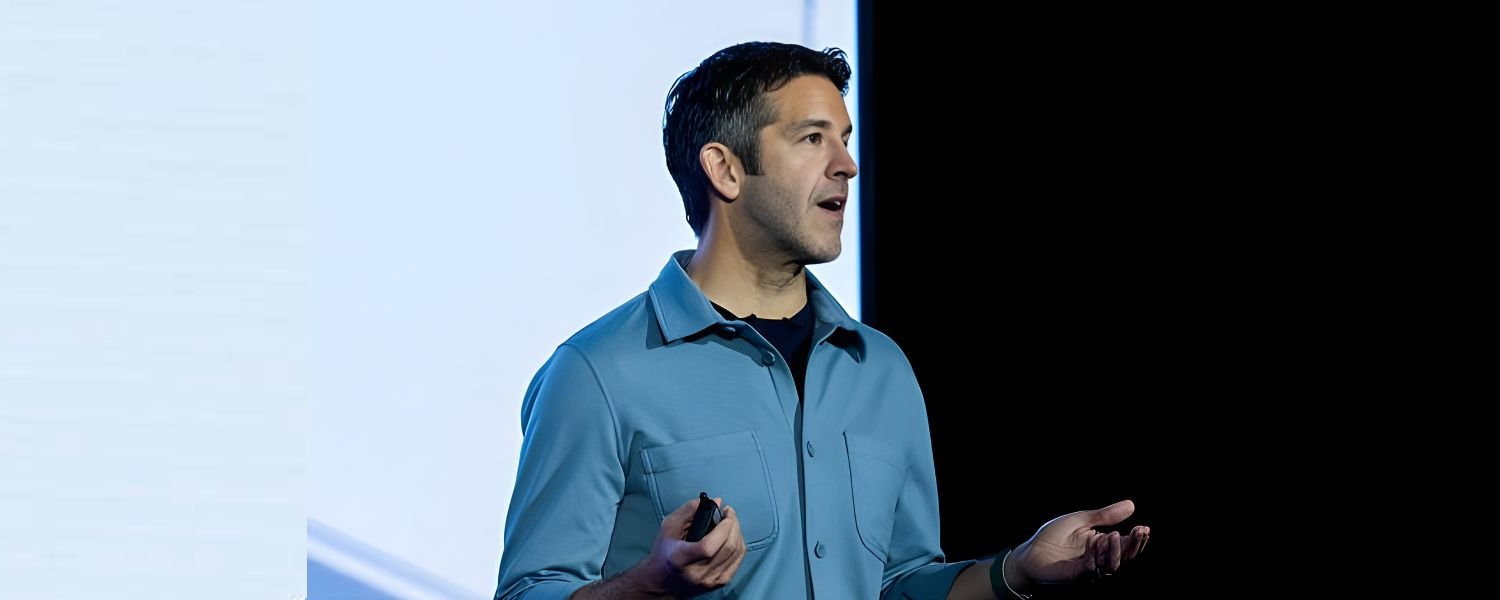
John Ternus is widely respected within Apple and the broader tech community. Having led hardware engineering, he has played a crucial role in shaping many of Apple’s flagship products.
His appointment suggests that Apple may focus more heavily on product innovation in the coming years. Analysts believe that under Ternus, the company could accelerate developments in areas like AI integration, custom silicon, and next-generation devices.
However, stepping into the role after Tim Cook is no small task. Ternus will need to maintain Apple’s financial strength while also pushing it into new technological frontiers.
Industry Reactions
The announcement has sparked widespread reactions across the tech industry.
Many experts have praised Tim Cook for transforming Apple into a global powerhouse, even without launching a product as revolutionary as the iPhone.
At the same time, there is curiosity about whether Apple’s next phase will bring more aggressive innovation, especially in emerging technologies like artificial intelligence and augmented reality.
Investors have responded cautiously but optimistically, viewing the transition as a well-managed move rather than a disruptive change.
Tim Cook’s Legacy
Tim Cook’s legacy is defined not just by financial success, but by stability and strategic growth.
He managed to sustain Apple’s dominance in a highly competitive industry while expanding its ecosystem and services. His leadership also emphasized ethical business practices, user privacy, and environmental responsibility.
Unlike Steve Jobs, Cook may not be remembered as a product visionary, but he will undoubtedly be recognized as one of the most effective CEOs in modern corporate history.
What This Means for Apple’s Future
The transition from Tim Cook to John Ternus marks a significant turning point for Apple.
The company is expected to:
- Focus more on AI and machine learning integration
- Expand its hardware ecosystem further
- Strengthen its services and subscription business
- Explore new product categories
While change always brings uncertainty, Apple’s strong foundation suggests that it is well-positioned for continued growth.
Conclusion
The departure of Tim Cook as CEO of Apple marks the end of a defining chapter in the company’s history. His leadership transformed Apple into a global giant, setting new standards for profitability, efficiency, and sustainability.
As John Ternus prepares to take the helm, the world will be watching closely to see how Apple evolves in an increasingly competitive and innovation-driven landscape.
One thing is certain — the impact of Tim Cook’s tenure will continue to shape Apple’s future for years to come.
Disclaimer
This article is published by WikiWala for informational and educational purposes only. While every effort has been made to ensure accuracy, the information is based on publicly available sources and may be subject to updates or changes. WikiWala does not claim ownership of any third-party content referenced. Readers are advised to verify information from official sources before making any decisions based on this content.
For more latest news, in-depth stories, and trending insights from around the world, keep visiting WikiWala and stay connected to what truly matters every day.
Sources

.webp)