The administration has introduced a new executive action aimed at broadening retirement plan access for American workers. The order focuses on reducing regulatory barriers and encouraging employers, especially small businesses, to offer retirement savings options.
Officials state that millions of workers currently lack employer-sponsored retirement plans, leaving them financially vulnerable in later years. By streamlining administrative processes and promoting flexible plan structures, the policy seeks to improve long-term financial security while maintaining compliance standards across industries and workforce categories nationwide.
Key Provisions
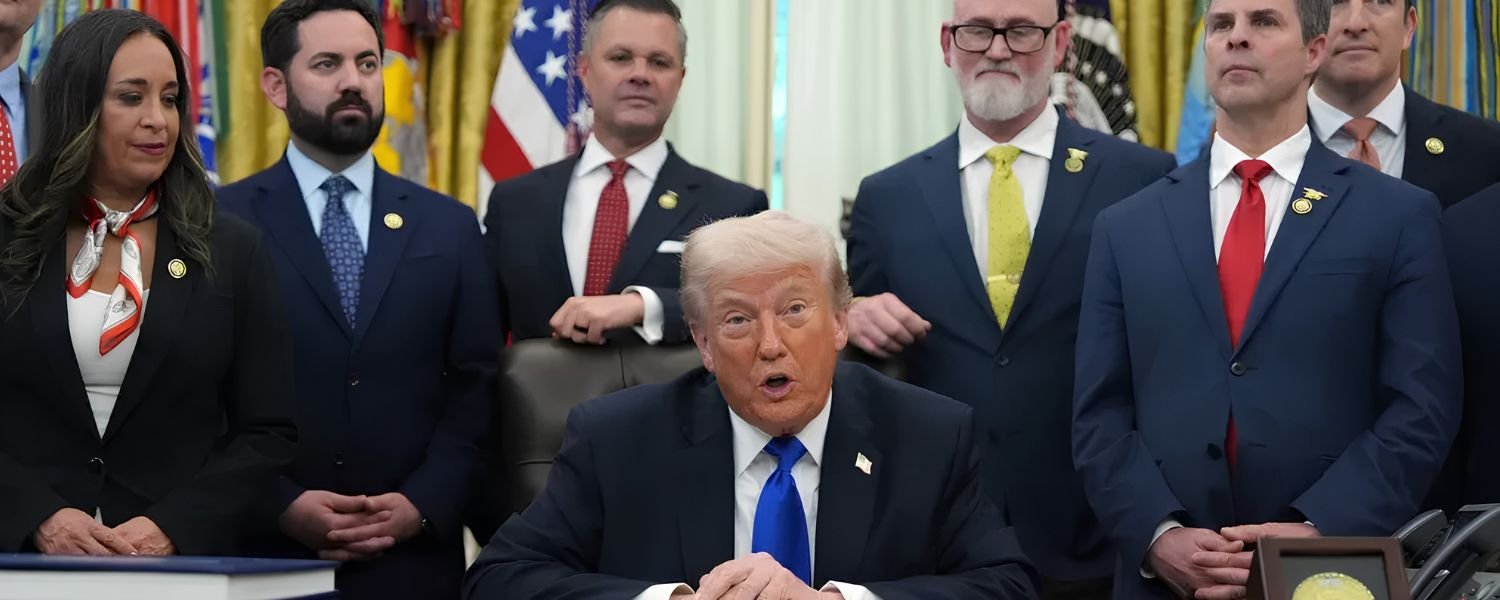
The executive order outlines several measures designed to simplify retirement plan participation. These include expanding multiple employer plans, allowing unrelated businesses to join a single retirement program, and reducing compliance costs.
Additionally, the policy supports greater use of automatic enrollment features to increase participation rates among employees. Federal agencies have been directed to review existing regulations and identify areas where administrative burdens can be minimized. The intent is to make retirement savings more accessible while ensuring that fiduciary responsibilities and protections for workers remain firmly intact.
Impact on Workers
For employees, the policy is expected to significantly improve access to structured retirement savings. Workers in small businesses and gig economy roles are among the primary beneficiaries, as these groups often lack consistent retirement options. Automatic enrollment and simplified plan structures may lead to higher participation rates and increased contributions over time.
Analysts suggest that improved access could reduce future reliance on social safety programs by enabling individuals to build independent financial security. However, the effectiveness of the initiative will depend on employer adoption and worker engagement across diverse sectors.
Employer Perspective
Employers are expected to benefit from reduced administrative complexity and lower costs associated with offering retirement plans. The ability to participate in pooled employer plans allows businesses to share responsibilities and resources, making it easier to provide benefits traditionally limited to larger organizations.
Industry groups have welcomed the move, noting that compliance requirements have historically discouraged small employers from offering retirement options. By simplifying these processes, the order aims to incentivize broader participation among businesses while maintaining regulatory oversight and accountability.
Economic Implications
Economists suggest that expanding retirement plan access could have long-term positive effects on the national economy. Increased savings rates may contribute to greater financial stability among households, reducing economic vulnerability during downturns. Additionally, higher levels of retirement savings can support capital markets by increasing investment flows.
However, some experts caution that the policy’s success will depend on sustained participation and adequate contribution levels. Without consistent engagement, the anticipated economic benefits may not fully materialize, highlighting the importance of effective implementation strategies.
Regulatory Adjustments
The executive order directs federal agencies to review and modify existing regulations that may hinder retirement plan expansion. This includes reassessing reporting requirements, fiduciary rules, and administrative procedures. The goal is to strike a balance between reducing complexity and maintaining protections for participants.
Regulatory agencies are expected to collaborate with industry stakeholders to ensure that changes are practical and effective. The process will likely involve phased implementation, allowing businesses and plan providers to adapt gradually while maintaining compliance with updated standards.
Criticism and Concerns
Despite broad support, the policy has faced criticism from some advocacy groups and policymakers. Concerns include the potential for reduced oversight in pooled employer plans and the risk of inadequate worker protections. Critics argue that simplifying regulations should not come at the expense of transparency and accountability.
Additionally, questions have been raised about whether the initiative sufficiently addresses income disparities that limit workers’ ability to save. These concerns highlight the need for careful monitoring and evaluation as the policy is implemented across different sectors.
Comparison with Previous Policies

The new executive action builds on earlier efforts to expand retirement savings opportunities, including legislation aimed at increasing plan accessibility. Compared to previous policies, the current approach places greater emphasis on flexibility and employer collaboration.
By allowing unrelated businesses to join shared plans, the policy introduces a more scalable model for retirement savings. Analysts note that while similar initiatives have been attempted in the past, the current framework seeks to address longstanding barriers more comprehensively, potentially leading to broader adoption and improved outcomes.
Implementation Timeline
Federal agencies have been tasked with developing detailed implementation guidelines within a specified timeframe. This includes issuing updated regulations, providing guidance to employers, and establishing oversight mechanisms. The rollout is expected to occur in stages, allowing stakeholders to adapt to new requirements gradually.
Employers will need to assess their current benefits structures and determine how to integrate the new options effectively. The phased approach is intended to minimize disruption while ensuring that the policy achieves its intended objectives over time.
Industry Response
Industry organizations and financial institutions have largely responded positively to the executive order. Many view it as an opportunity to expand their services and reach underserved segments of the workforce. Retirement plan providers are expected to develop new products tailored to the needs of small businesses and independent workers.
However, some industry experts emphasize the importance of maintaining clear communication and education efforts to ensure that both employers and employees understand the available options and benefits associated with participation.
Worker Education
Education and awareness are critical components of the policy’s success. Without adequate understanding of retirement planning, workers may not fully utilize the opportunities provided. The administration has indicated that outreach initiatives will be implemented to inform employees about the benefits of participation and the importance of long-term savings.
Financial literacy programs may play a key role in encouraging consistent contributions and informed decision-making. Effective communication strategies will be essential to maximizing the impact of the expanded access to retirement plans.
Long-Term Outlook
The long-term success of the executive order will depend on sustained engagement from both employers and employees. If widely adopted, the policy could significantly improve retirement preparedness across the workforce. However, challenges such as economic fluctuations, changing labor market dynamics, and varying levels of participation may influence outcomes.
Continuous evaluation and potential policy adjustments will be necessary to address emerging issues and ensure that the initiative remains effective in promoting financial security for future generations of workers.
Conclusion
The executive order represents a significant step toward expanding access to retirement savings for American workers. By reducing barriers and encouraging broader participation, the policy aims to address a critical gap in financial security. While challenges and concerns remain, the initiative has the potential to reshape the retirement landscape if effectively implemented.
Ongoing collaboration between government agencies, employers, and financial institutions will be essential to achieving the desired outcomes and ensuring that workers are better prepared for retirement in the years ahead.
For more latest news, in-depth stories, and trending insights from around the world, keep visiting WikiWala and stay connected to what truly matters every day.
Disclaimer
This article is for informational and journalistic purposes only. It is based on publicly available information and does not constitute financial or legal advice. Readers are encouraged to consult qualified professionals for guidance.
Sources

.webp)