The Resident Evil franchise has re-emerged as a focal point in global entertainment discussions following recent announcements tied to its cinematic reboot and continued gaming success. Developed by Capcom, the survival horror series has sustained relevance for decades through strategic reinvention and cross-platform storytelling.
Industry analysts highlight that the franchise’s adaptability has allowed it to maintain both commercial viability and cultural impact. According to official franchise data available on Capcom Sales, Resident Evil remains among the company’s top-performing intellectual properties worldwide.
Film Adaptation Developments

Recent updates regarding a new Resident Evil film adaptation under director Zach Cregger have intensified public interest. The project is expected to diverge from previous interpretations, focusing more closely on horror elements rooted in the original games.
Industry insiders suggest that this shift aligns with audience demand for authenticity. Reports from Hollywood Reporter indicate that production discussions emphasize narrative cohesion and character-driven storytelling, marking a departure from earlier action-heavy adaptations.
Gaming Legacy
The Resident Evil franchise originated in 1996 and quickly established itself as a benchmark for survival horror gaming. Its early titles introduced mechanics that influenced an entire genre, including limited resources and atmospheric tension.
Over time, the series evolved, incorporating modern gameplay systems while retaining core horror elements. Documentation on Game History confirms that the franchise has sold over 150 million units globally, reinforcing its status as one of the most successful video game series in history.
Audience Reception Trends
Audience reception toward recent Resident Evil projects reflects a growing preference for content that respects original source material. Feedback from gaming communities and film audiences suggests that authenticity and narrative depth are key factors influencing engagement.
Analysts note that the success of remakes such as Resident Evil 2 and Resident Evil 4 has reinforced Capcom’s strategy of blending nostalgia with innovation. Coverage from IGN Review highlights strong critical reception tied to faithful reinterpretations of classic titles.
Streaming and Digital Influence
Digital platforms have played a significant role in amplifying the franchise’s visibility. Streaming services, in particular, have introduced Resident Evil content to new audiences, expanding its demographic reach. While previous adaptations received mixed responses, they contributed to sustained brand awareness.
Reports available through Netflix Series indicate that Resident Evil-related content consistently ranks among trending categories upon release, demonstrating the franchise’s ongoing relevance in digital ecosystems.
Creative Direction Changes
The shift in creative direction for upcoming Resident Evil projects reflects broader industry trends favoring narrative-driven horror. Zach Cregger’s involvement signals a commitment to atmospheric storytelling and psychological tension.
Experts suggest that this approach may align more closely with early franchise entries, potentially restoring confidence among long-term fans. Insights from Variety Report emphasize that production teams are prioritizing tone and pacing over spectacle, indicating a strategic recalibration.
Market Performance
From a financial perspective, Resident Evil continues to deliver consistent returns across multiple platforms. Capcom’s earnings reports reveal that the franchise contributes significantly to annual revenue, driven by both new releases and remastered editions.
Market analysts attribute this performance to the franchise’s established brand equity and global recognition. According to industry summaries from Sales Data, Resident Evil remains a dominant force within the horror gaming community.
Technological Advancements
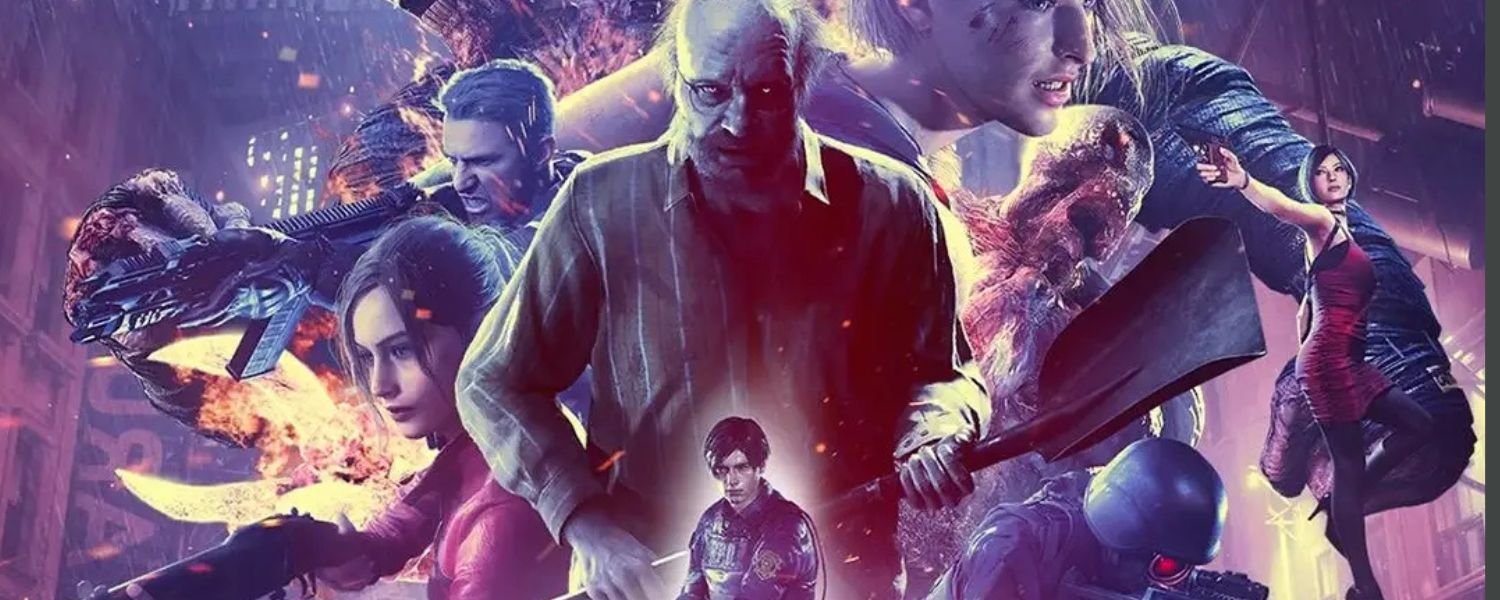
Technological innovation has played a critical role in shaping the Resident Evil experience. The introduction of Capcom’s RE Engine has enabled developers to achieve higher levels of realism and immersion.
This technology supports advanced lighting, detailed character models, and dynamic environments, enhancing overall gameplay quality. Observations from technical analyses suggest that these improvements contribute significantly to player engagement, particularly in horror contexts where atmosphere is essential.
Global Cultural Impact
Resident Evil’s influence extends beyond gaming and film into broader cultural domains. The franchise has inspired merchandise, novels, and fan-driven content, reinforcing its presence in popular culture.
Its themes of bioengineering and corporate ethics have also sparked discussions within academic and media circles. Scholars examining media narratives often reference Resident Evil as a case study in transmedia storytelling and genre evolution, highlighting its multifaceted impact.
Challenges and Criticism
Despite its success, the Resident Evil franchise has faced criticism regarding inconsistent film adaptations and narrative deviations. Some critics argue that previous projects prioritized commercial appeal over fidelity to source material.
These concerns have influenced current production strategies, with stakeholders emphasizing alignment with fan expectations. Industry commentary indicates that addressing these criticisms is essential for maintaining credibility and long-term sustainability.
Future Outlook
Looking ahead, the Resident Evil franchise appears positioned for continued growth across both gaming and cinematic landscapes. Upcoming releases are expected to leverage established fan bases while attracting new audiences through innovative storytelling.
Analysts predict that successful integration of horror elements and technological advancements will be key determinants of future success. The franchise’s adaptability remains a central factor in its enduring relevance.
Competitive Landscape
Within the broader entertainment industry, Resident Evil competes with other established horror franchises seeking to capture audience attention. However, its extensive history and cross-platform presence provide a competitive advantage.
Market comparisons suggest that few franchises match its combination of longevity and consistent performance. Strategic partnerships and content diversification are expected to further strengthen its market position.
Conclusion
The Resident Evil franchise continues to evolve in response to shifting industry dynamics and audience expectations. Its ability to balance innovation with tradition has enabled it to remain a leading force in survival horror.
As new projects progress, stakeholders across the entertainment sector will closely monitor developments to assess their impact on the franchise’s trajectory. Current indicators suggest that Resident Evil will maintain its prominence in global entertainment discourse.
For more latest news, in-depth stories, and trending insights from around the world, keep visiting WikiWala and stay connected to what truly matters every day.
Disclaimer
This article is intended for informational and journalistic purposes only, based on publicly available data, verified reports, and industry analysis. While efforts have been made to ensure accuracy, developments may evolve over time, and readers are encouraged to consult official sources for the latest updates.
Sources

.webp)