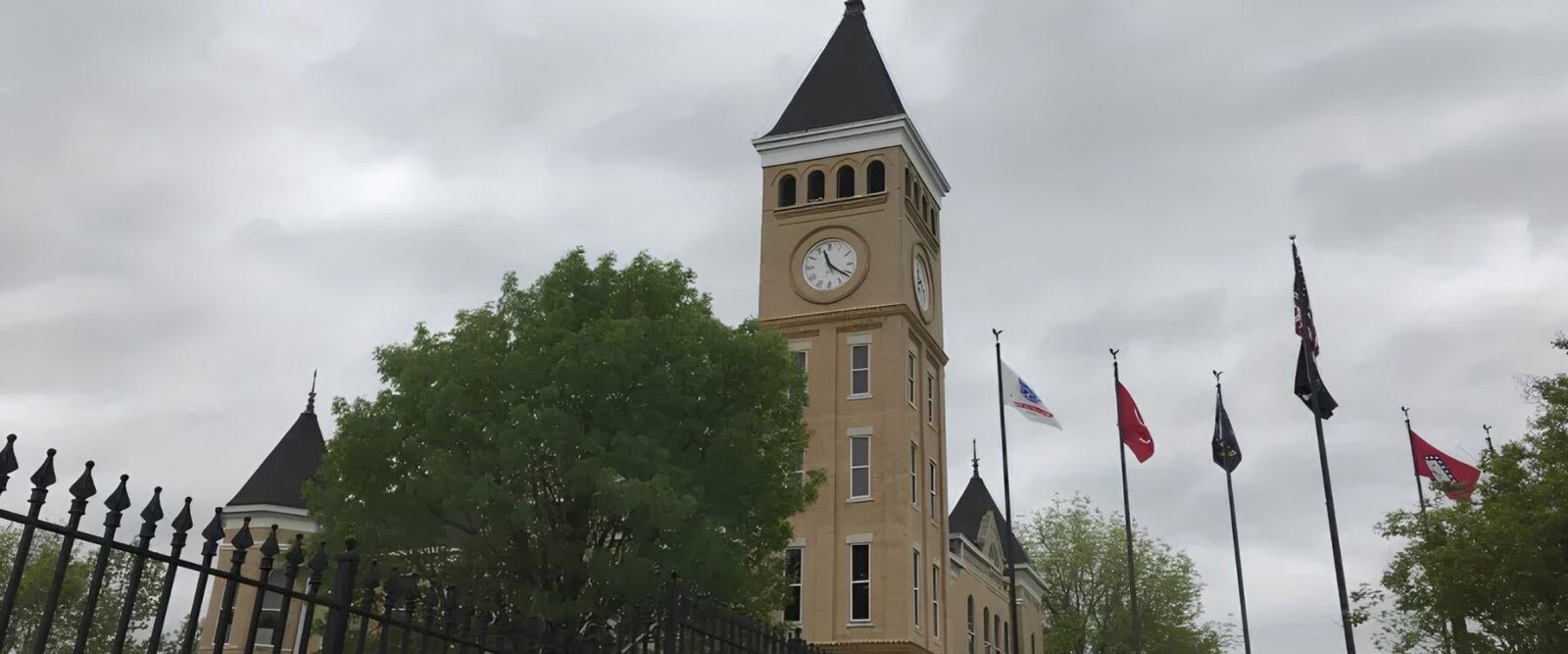
Tanner Horner, the former FedEx delivery driver charged in the kidnapping and murder of seven year old Athena Strand, has been sentenced to death by a Texas jury. The case, which first shocked the country in late 2022, returned to headlines after jurors delivered the final punishment following weeks of emotional testimony and disturbing evidence.
Horner had already pleaded guilty to capital murder and aggravated kidnapping before the sentencing phase began. The courtroom proceedings included testimony from investigators, forensic experts, and Athena’s grieving family members, whose statements left many in the courtroom emotional.
The Disappearance of Athena Strand

Athena Strand disappeared from her home in Paradise, Texas, on November 30, 2022. The seven year old girl had reportedly gone missing after an argument with her stepmother. Authorities launched a large scale search operation involving law enforcement officers, volunteers, drones, and helicopters.
The case quickly gained national attention as people across Texas followed updates hoping for a safe outcome. Investigators later discovered that a FedEx driver had been making deliveries in the neighborhood around the same time Athena vanished, leading detectives toward Tanner Horner within days of the disappearance.
How Tanner Horner Became the Main Suspect
Investigators identified Tanner Horner through delivery records and surveillance evidence connected to the area. Horner worked as a contract FedEx driver at the time of the incident. According to court documents, he admitted during questioning that he had taken Athena after striking her with his delivery vehicle.
Authorities later stated that Athena was alive after the incident and that Horner chose to abduct her instead of seeking medical help. His confession reportedly included details about strangulation and the disposal of the child’s body, which was found two days after she disappeared.
Details Revealed During the Trial
The sentencing trial exposed several disturbing details that had not been publicly discussed before. Prosecutors played audio recordings from inside Horner’s delivery van, capturing Athena’s final moments. Jurors heard the child crying, asking questions, and pleading during the terrifying encounter.
Investigators also presented forensic evidence and testimony describing the injuries Athena suffered before her death. Prosecutors argued that the crime showed extreme violence and cruelty. Several jurors appeared emotional during portions of the testimony as the courtroom listened to evidence that many described as heartbreaking and difficult to hear.
Horner’s Guilty Plea
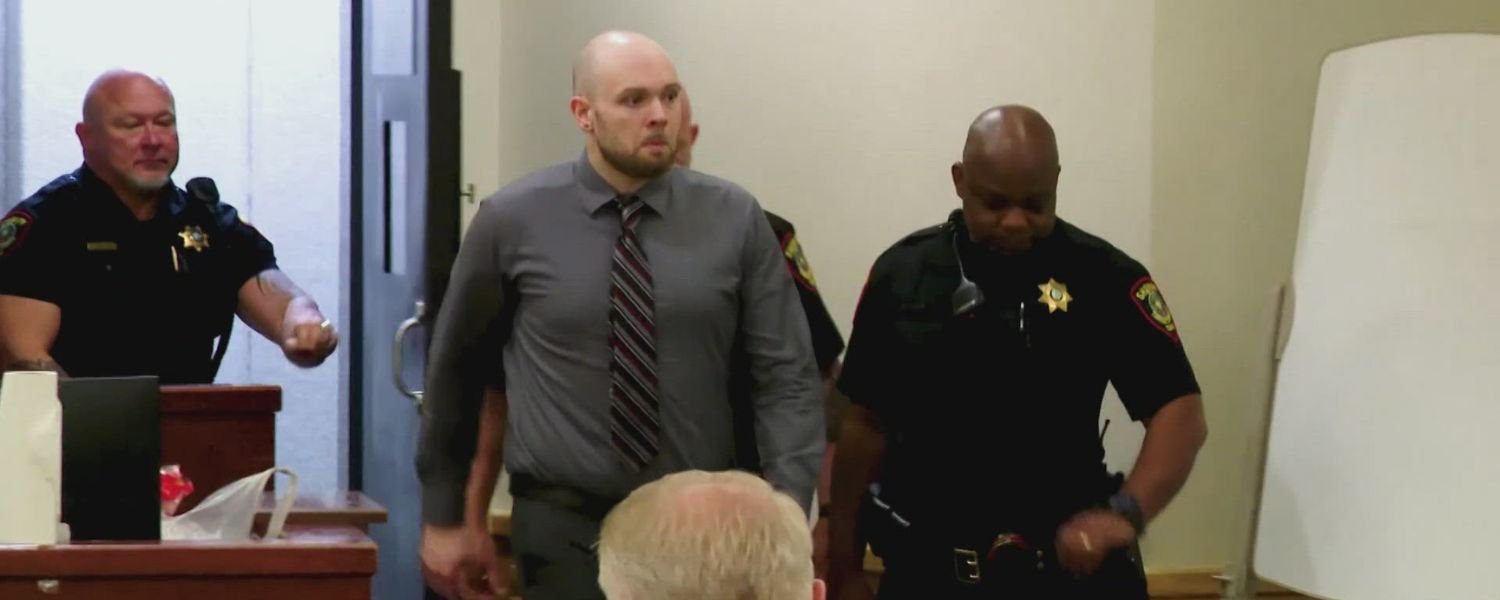
Just before the trial officially began, Tanner Horner pleaded guilty to capital murder and aggravated kidnapping charges. The decision removed the need for a traditional guilt phase and shifted the proceedings directly toward sentencing. Prosecutors then focused entirely on convincing jurors that Horner deserved the death penalty instead of life imprisonment without parole.
Horner reportedly showed little emotion while sitting through the proceedings. His guilty plea also prevented the defense from disputing many of the prosecution’s claims, leaving the courtroom focused on whether he should spend the rest of his life in prison or face execution.
Defense Arguments and Mental Health Claims
Horner’s legal team argued that he suffered from serious mental health conditions and neurological issues that affected his behavior and judgment. Defense attorneys claimed he had developmental disorders, exposure to alcohol before birth, and long term psychological struggles.
During testimony, experts discussed claims that Horner referred to an alter ego named “Zero,” whom he blamed for the murder. The defense attempted to persuade jurors that these factors justified a life sentence instead of execution. However, prosecutors countered by arguing that Horner understood his actions and actively tried to cover up the crime afterward.
Emotional Statements From Athena’s Family
Athena Strand’s family gave emotional victim impact statements after the jury announced the sentence. Relatives described the pain of losing a young child whose life was taken in such a brutal way. Athena’s uncle addressed Horner directly and told him he would face judgment for what he had done.
Family members spoke about the lasting trauma caused by the crime and how Athena’s absence continues to affect every part of their lives. The courtroom reportedly became silent as relatives described birthdays, holidays, and family moments that now feel permanently incomplete without Athena present.
Jury Deliberation and Final Verdict
After hearing weeks of testimony and reviewing evidence, the jury deliberated for only a few hours before returning its decision. Jurors concluded that Horner would likely remain a threat to society if allowed to live and found no sufficient reason to spare him from the death penalty.
The judge formally sentenced him to death by lethal injection under Texas law. Horner reportedly remained expressionless while the sentence was read aloud in court. The verdict marked the final phase of one of Texas’ most closely followed criminal trials in recent years.
Public Reaction to the Case
The case generated strong reactions across social media and news platforms throughout the trial. Many people expressed grief for Athena Strand and support for her family, while others debated the use of the death penalty in cases involving violent crimes against children.
Community members in Paradise, Texas, continued honoring Athena through memorials and public gatherings even years after her death. The emotional testimony and evidence presented during the trial renewed national attention on the case and sparked discussions about child safety, criminal justice, and mental health issues connected to violent crimes.
What Happens Next for Tanner Horner
Although Horner has been sentenced to death, the legal process is not over. Under Texas law, death penalty cases automatically enter an appeals process that can take many years. His legal team is expected to challenge both the conviction and sentence in higher courts.
During this period, Horner will remain in state custody while appeals move through the judicial system. Legal experts say capital punishment cases often involve multiple rounds of review before any execution date is considered. Despite the lengthy process ahead, the sentencing brought a sense of closure to Athena Strand’s family.
The Lasting Impact of Athena Strand’s Story
Athena Strand’s murder deeply affected communities across Texas and beyond. Her disappearance led to widespread volunteer efforts and national media coverage that kept attention on the investigation from beginning to end. Many people continue to remember Athena through social media tributes and community events honoring her life.
Her story also became a reminder of how quickly tragedy can strike and how devastating crimes against children affect families and entire communities. Even after the sentencing, Athena remains at the center of public remembrance rather than the man convicted of taking her life.
Conclusion
The sentencing of Tanner Horner closes one chapter in a case that left lasting emotional scars on a family and community. Prosecutors described the crime as one of the most disturbing cases they had ever handled, while Athena Strand’s loved ones spoke openly about the grief they continue to carry every day.
Although appeals will continue in the years ahead, the jury’s decision delivered the strongest punishment available under Texas law. For many following the case, the focus remains on remembering Athena Strand, whose life ended far too soon in a tragedy that shocked the nation.
For more latest news, in-depth stories, and trending insights from around the world, keep visiting WikiWala and stay connected to what truly matters every day.
Disclaimer
This article is based on publicly available news reports and court coverage related to the Tanner Horner and Athena Strand case. The information is intended for informational and reporting purposes only. Legal proceedings and appeal outcomes may change over time.
Sources

.webp)