The White House East Wing litigation has emerged as a significant legal battle involving government authority, historic preservation, and federal construction oversight. The dispute centers on plans to redevelop the East Wing area into a larger ballroom and event facility, a proposal that has attracted both support and criticism.
Preservation groups argue that important review procedures were not properly followed before construction activities began. Administration officials, meanwhile, maintain that the project is necessary for modernization and security. As court proceedings continue, the case remains closely watched across Washington and beyond.
What Is the White House East Wing Litigation?
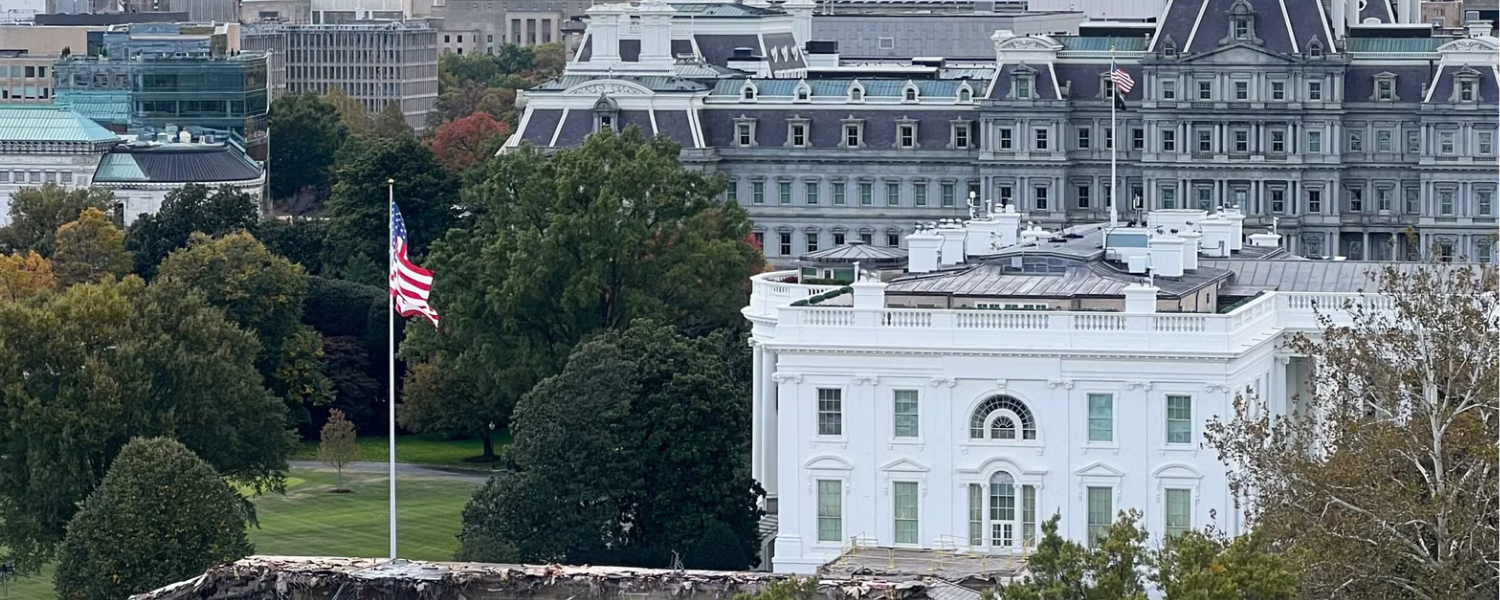
The White House East Wing litigation refers to legal challenges brought against the redevelopment project planned for the East Wing portion of the White House complex. Historic preservation advocates filed lawsuits questioning whether federal agencies complied with all required review and approval processes before moving forward.
The case focuses on whether the project received sufficient oversight and whether preservation laws were properly considered. Supporters of the redevelopment argue that the White House requires updated facilities, while opponents believe historic and procedural concerns deserve greater attention before permanent changes are made.
Why the East Wing Project Sparked Controversy
⚖️ Supporters vs Critics
| Supporters Say |
Critics Say |
| Modern facilities are needed |
Historic character could be lost |
| Security can be improved |
Review procedures were bypassed |
| Larger event space is required |
Congress should have greater oversight |
| Project reflects modernization goals |
Preservation laws must be respected |
Controversy began shortly after plans for a large state ballroom were announced. Critics argued that replacing portions of the East Wing could alter the historical character of the White House complex. Preservation organizations expressed concern about the impact on a site with long standing historical significance.
Supporters viewed the project differently, stating that existing facilities no longer meet the demands of modern state functions and diplomatic events. The disagreement quickly expanded beyond architecture and construction, becoming a national debate about heritage, modernization, and government accountability.
Key Legal Arguments in the Case
🏛 Core Legal Questions
Federal Approval
Did the project receive all legally required approvals before construction?
Historic Preservation
Were preservation requirements fully satisfied before demolition?
Congressional Authority
Should Congress have approved major modifications to the White House complex?
Several legal questions are at the center of the litigation. Preservation advocates claim that federal review requirements were not fully completed before construction activities began. They argue that projects involving historically significant government property require extensive examination and public input.
Government lawyers have countered that the administration acted within its authority and followed applicable procedures. Another key issue involves determining whether additional congressional approval was necessary before moving ahead with the redevelopment. The court must now interpret how preservation laws apply to a project involving the White House itself.
Court Rulings and Construction Delays
Court involvement has already influenced the project’s timeline. Judges reviewing the case have considered requests to halt construction while legal questions are resolved. Some rulings temporarily restricted portions of the redevelopment effort, while others allowed limited activities to continue under specific conditions.
These decisions have created uncertainty regarding the project’s completion schedule. Both sides have continued filing legal motions and appeals as the dispute moves through the judicial system. As a result, court rulings remain one of the most important factors determining the future of the redevelopment project.
National Security Arguments Enter the Debate
🔒 Security Argument
Federal officials argue that the proposed ballroom project is not only a modernization effort but also a security enhancement designed to improve protection for government officials, staff, and visiting dignitaries.
National security concerns have become a major part of the administration’s legal defense. Officials argue that the proposed redevelopment would improve security capabilities while providing a more suitable venue for official events involving foreign leaders and dignitaries.
According to government filings, modernization efforts are intended to address operational and security needs that existing facilities may not adequately support. Opponents do not necessarily reject security improvements but argue that such concerns should not exempt the project from preservation requirements. This disagreement has added another layer of complexity to the litigation.
Political Reactions From Both Parties
Political leaders have responded to the litigation along largely partisan lines. Many Republican lawmakers have defended the project, describing it as a practical investment in the future functionality of the White House complex. They argue that modernization projects should not face unnecessary delays.
Democrats and preservation advocates have generally expressed greater concern about oversight, transparency, and historical preservation. Several lawmakers have questioned whether Congress should have played a larger role in authorizing major structural changes. The political divide has ensured continued public attention on the legal proceedings.
What Happens Next?
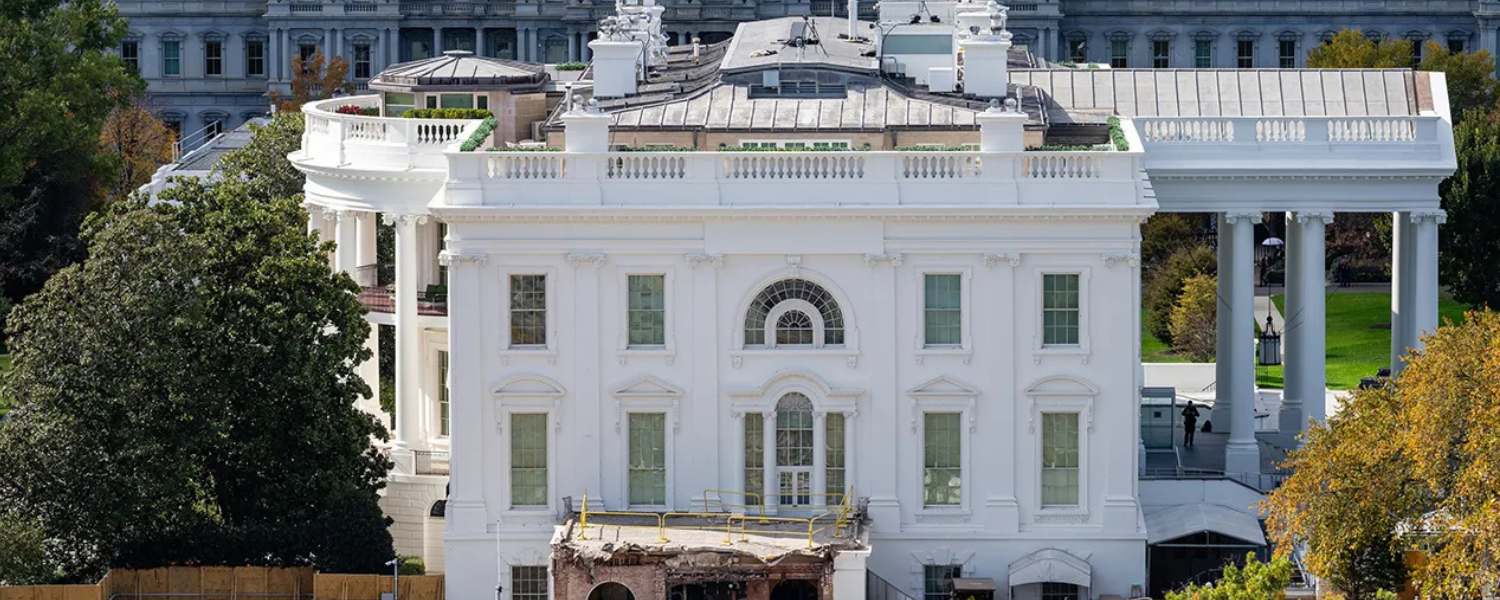
The next phase of the litigation will likely involve additional court reviews and potential appeals. Judges must determine whether legal requirements were satisfied before redevelopment activities began and whether any corrective actions are necessary. Future rulings could permit construction to continue without interruption or impose additional restrictions on the project.
Congress may also continue examining the issue through hearings or oversight efforts. Regardless of the outcome, the case is expected to establish important precedents regarding preservation laws, executive authority, and federal construction projects involving historic properties.
Conclusion
The White House East Wing litigation has become a landmark dispute that extends far beyond a single construction project. The case raises important questions about historic preservation, government authority, congressional oversight, and national security considerations.
Supporters believe the redevelopment is necessary to meet modern operational requirements, while opponents argue that established review procedures must be respected. As courts continue evaluating the legal arguments, the outcome could influence future decisions involving federal landmarks and government construction projects. For now, the future of the East Wing redevelopment remains uncertain.
Disclaimer
This article is intended for informational and news reporting purposes only. Information is based on publicly available reports, court filings, and media coverage available at the time of writing. Legal proceedings remain ongoing, and future court decisions may change the status of the case. Readers should refer to official court documents and government statements for the most current information.
Sources

.webp)