A powerful 7.8 magnitude earthquake struck the southern Philippines on June 8, 2026, causing widespread destruction, multiple fatalities, and hundreds of injuries. The earthquake hit near Mindanao early in the morning, triggering panic among residents, damaging buildings, disrupting transportation, and prompting tsunami warnings across parts of Southeast Asia.
Emergency teams are immediately deployed as authorities began rescue and recovery operations in the worst affected areas. The disaster has once again highlighted the Philippines’ vulnerability to major seismic events due to its location along the Pacific Ring of Fire.
Earthquake Strikes Southern Philippines
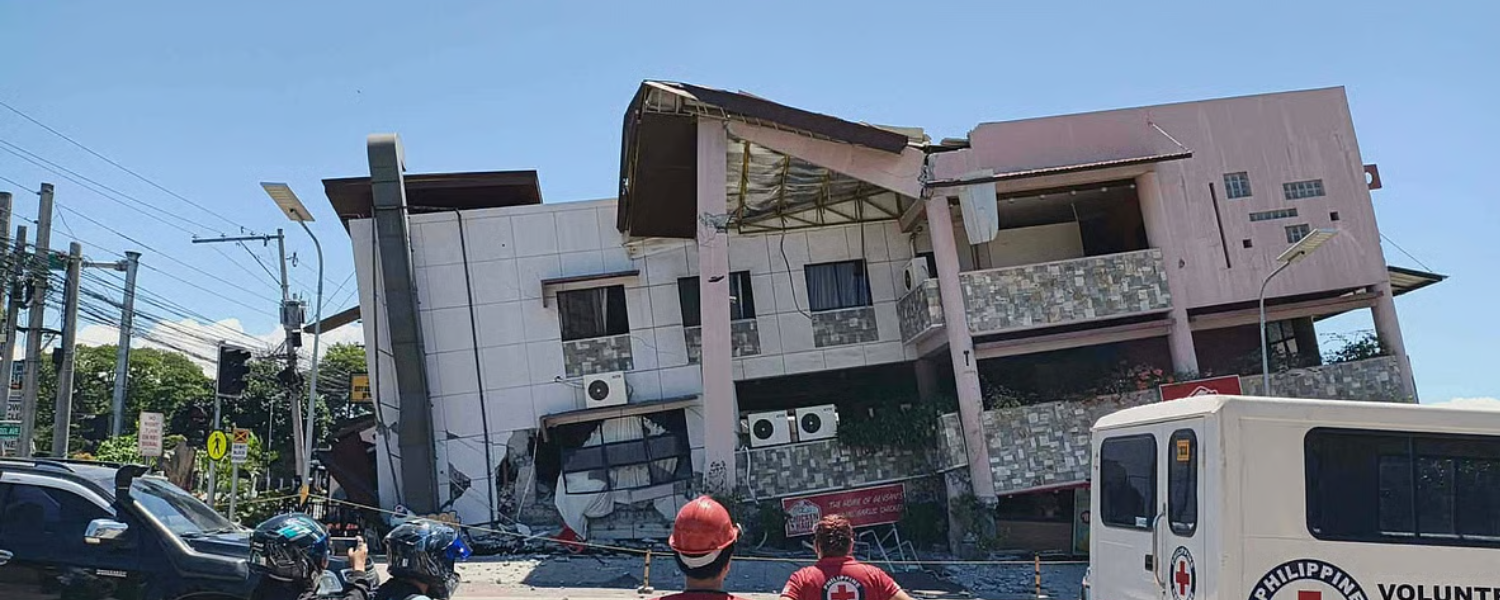
The earthquake occurred off the southern coast of Mindanao, one of the largest islands in the Philippines. According to seismic monitoring agencies, the quake registered a magnitude of 7.8 and is strong enough to be felt across a large section of the country.
Residents reported intense shaking that lasted for several seconds, forcing people to rush out of homes, schools, offices, and commercial buildings. The earthquake struck during the morning hours when many people were preparing for work and school, increasing the number of people exposed to the danger.
Casualties and Injuries Continue to Rise
Fatalities
Authorities confirmed multiple deaths as rescue teams continue search operations.
Injuries
More than 100 people suffered injuries ranging from minor to severe.
Emergency Response
Government agencies deployed rescue workers and medical teams immediately.
Officials have confirmed multiple deaths and more than 200 injuries following the earthquake. Reports indicate that many victims were trapped under collapsed structures or were struck by falling debris. Rescue workers continue to search damaged buildings for survivors, and authorities have warned that casualty figures may increase as assessments continue.
Hospitals in affected areas have been treating injured residents, while emergency medical teams have been deployed to support local healthcare facilities dealing with the sudden influx of patients.
Buildings Collapse in General Santos City
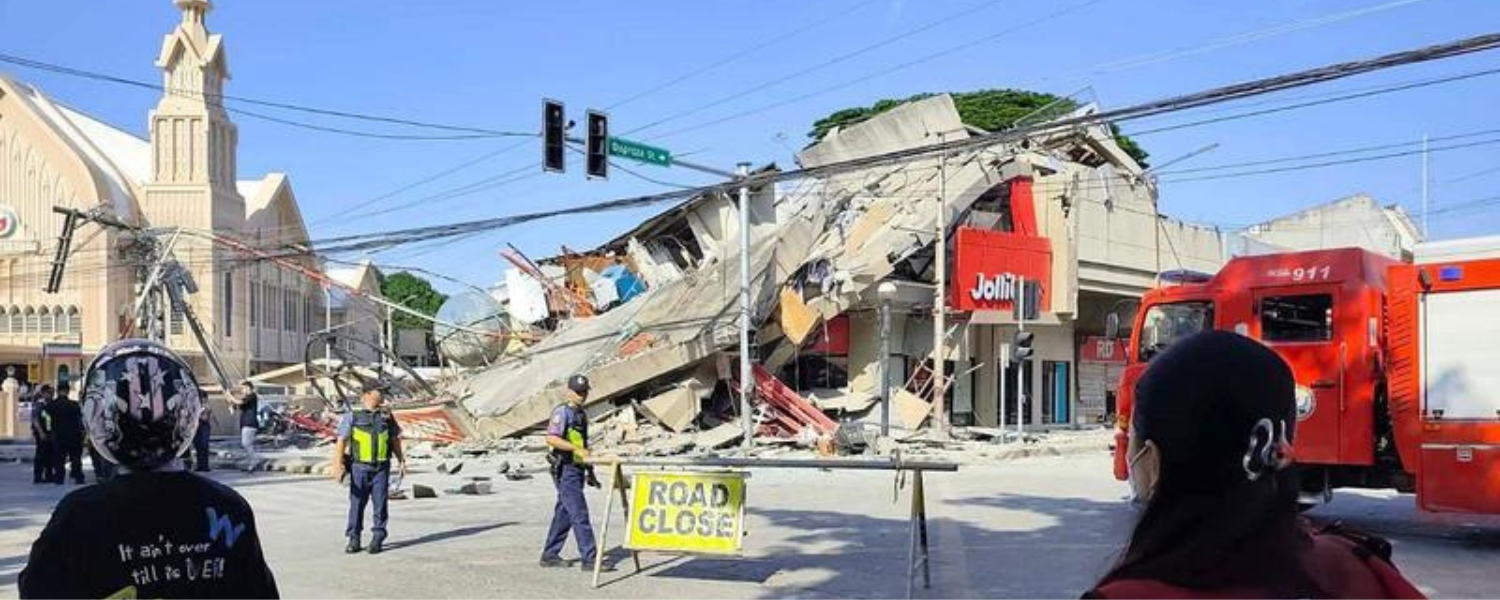
General Santos City, located near the epicenter, experienced some of the most severe damage. Several buildings suffered structural failures, with some collapsing completely. Videos and photographs from the city showed damaged commercial complexes, cracked roads, and debris scattered across streets.
Authorities reported significant destruction to public infrastructure, including schools, businesses, and government facilities. Engineers have been conducting inspections to determine which structures remain safe for occupancy while residents have been urged to stay away from visibly damaged buildings because of the risk of aftershocks.
Panic Erupts in Schools During Morning Activities;
The earthquake struck as students gathered for school activities, creating scenes of panic across several educational institutions. Videos circulating online showed children and teachers running to open spaces as buildings shook violently. In some locations, parts of school structures sustained damage, while emergency evacuations were carried out according to disaster response protocols.
Education officials suspended classes in affected regions to ensure student safety and allow authorities to inspect school facilities before reopening them. The incident has renewed discussions about earthquake preparedness within educational institutions.
Tsunami Warnings Trigger Regional Alerts
Following the earthquake, tsunami warnings and advisories were issued for several coastal areas. Authorities urged residents living near shorelines to move to higher ground as a precaution. Small tsunami waves were recorded in some locations, while neighboring countries closely monitored the situation.
Although the most severe tsunami fears eventually eased, emergency agencies maintained a high level of alert throughout the day. Coastal communities remained cautious as officials continued monitoring sea level activity and potential aftershocks that could pose additional risks.
Government Launches Emergency Response
📅 Earthquake Response Timeline
| Event |
Details |
| Earthquake Hits |
7.8 magnitude quake strikes southern Philippines. |
| Tsunami Alert |
Authorities issue coastal warnings. |
| Rescue Operations |
Emergency crews deployed to affected regions. |
| Damage Assessment |
Officials inspect buildings and infrastructure. |
| Recovery Efforts |
Relief supplies distributed to affected communities. |
The Philippine government activated emergency response measures shortly after the earthquake. Rescue teams, military personnel, medical workers, and disaster management agencies were mobilized to assist affected communities. Temporary evacuation centers were established for displaced residents, while emergency supplies including food, water, and medical assistance were distributed.
Government officials emphasized the importance of public safety and urged citizens to follow official instructions. Authorities also suspended classes in several areas to facilitate recovery efforts and reduce risks associated with damaged infrastructure.
Transportation and Infrastructure Disruptions
The earthquake caused disruptions to transportation networks and essential services across parts of southern Philippines. Roads, bridges, and public facilities suffered varying degrees of damage, complicating rescue operations. Reports indicated that airport operations in some affected areas were temporarily impacted, while flights faced cancellations and delays.
Power interruptions were also reported in certain communities. Infrastructure assessment teams have been working to identify critical repairs needed to restore normal operations and ensure public safety in the aftermath of the disaster.
Why the Philippines Experiences Frequent Earthquakes
The Philippines is one of the world’s most earthquake prone countries because it sits along the Pacific Ring of Fire, a region known for intense tectonic activity. Multiple tectonic plates interact beneath the country, creating frequent earthquakes and volcanic activity.
While most earthquakes are minor, powerful events occasionally result in significant damage and loss of life. Experts stress the importance of earthquake resistant construction, public awareness programs, and emergency preparedness measures to reduce the impact of future seismic disasters on vulnerable communities.
Rescue Operations and Recovery Efforts Continue
Search and rescue operations remain ongoing as emergency teams work through damaged neighborhoods and collapsed structures. Authorities are prioritizing the rescue of trapped individuals while also providing assistance to displaced families. Relief organizations have joined government agencies in delivering humanitarian aid and supporting recovery efforts.
Engineers continue assessing buildings to determine whether they can be repaired or must be demolished. Community leaders have urged residents to remain cautious because aftershocks are expected in the days following a major earthquake of this magnitude.
⚠ Earthquake Safety Reminders
- Stay away from damaged buildings.
- Expect aftershocks following major earthquakes.
- Follow instructions from local authorities.
- Keep emergency supplies accessible.
- Monitor official updates and warnings.
Conclusion
The devastating 7.8 magnitude Philippines earthquake has left a trail of destruction across southern regions, claiming lives, injuring hundreds, and damaging critical infrastructure. As rescue operations continue and authorities work to restore essential services, the focus remains on supporting affected communities and preventing further casualties.
The disaster serves as a reminder of the constant seismic risks faced by the Philippines and the importance of preparedness, resilient infrastructure, and effective emergency response systems. Recovery is expected to take time, but national and local agencies continue working to help communities rebuild and recover from this tragic event.
Disclaimer
This article is based on publicly available news reports and official updates available at the time of writing.
Information regarding casualties, injuries, damage assessments, and rescue operations may change as authorities continue investigations and recovery efforts. Readers are encouraged to follow official government agencies and emergency management organizations for the latest updates.
Sources

.webp)