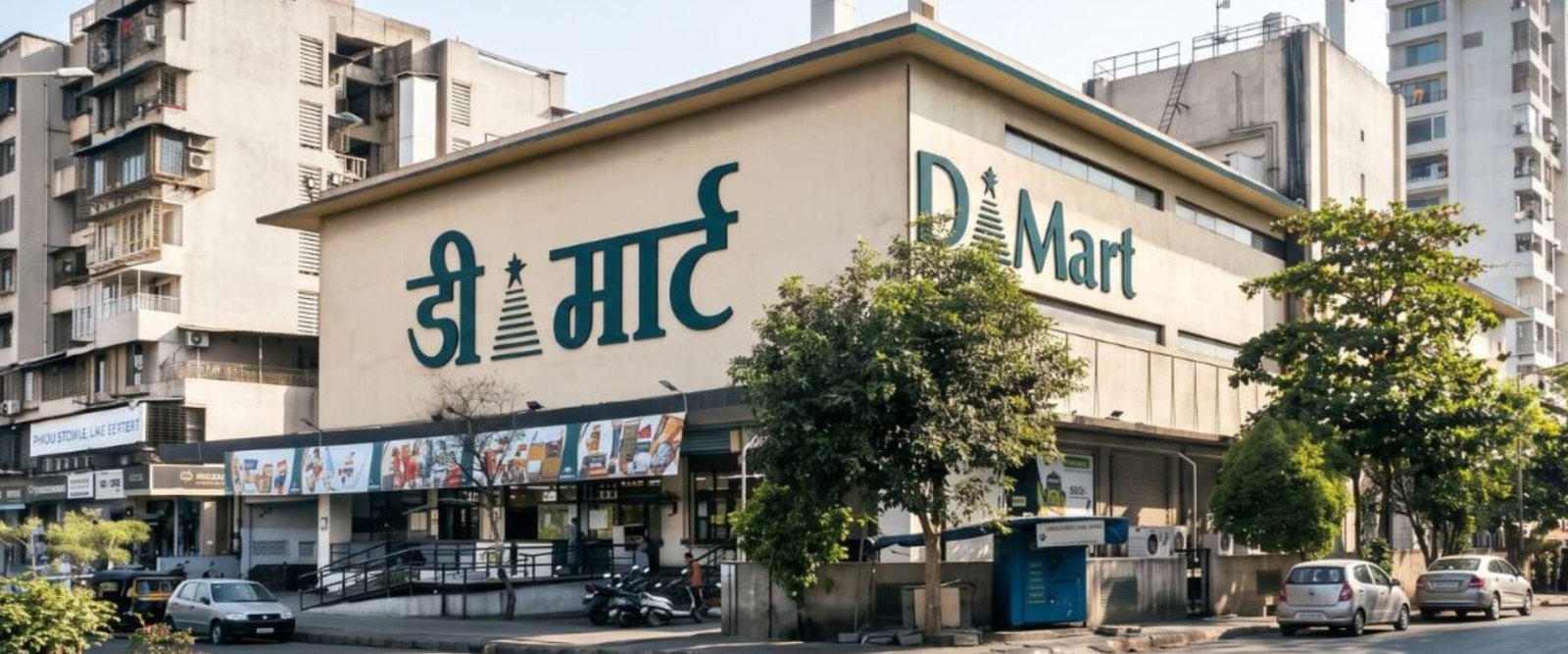
If you walk into a DMart store on any given weekend, you will see a familiar sight. Shopping carts overflowing with monthly rations, families comparing product sizes, and long lines at the checkout counters moving with swift efficiency.
DMart has completely transformed everyday grocery shopping for millions of Indian households. It has evolved from a simple hypermarket into an integral part of the monthly routine for urban and semi-urban India.
What Makes DMart India’s Favorite Supermarket? DMart is India’s favorite grocery store chain because it combines affordable pricing, a wide range of everyday products, and a value-focused shopping experience that attracts millions of customers across the country.
Why Has DMart Become India’s Favorite Grocery Store?
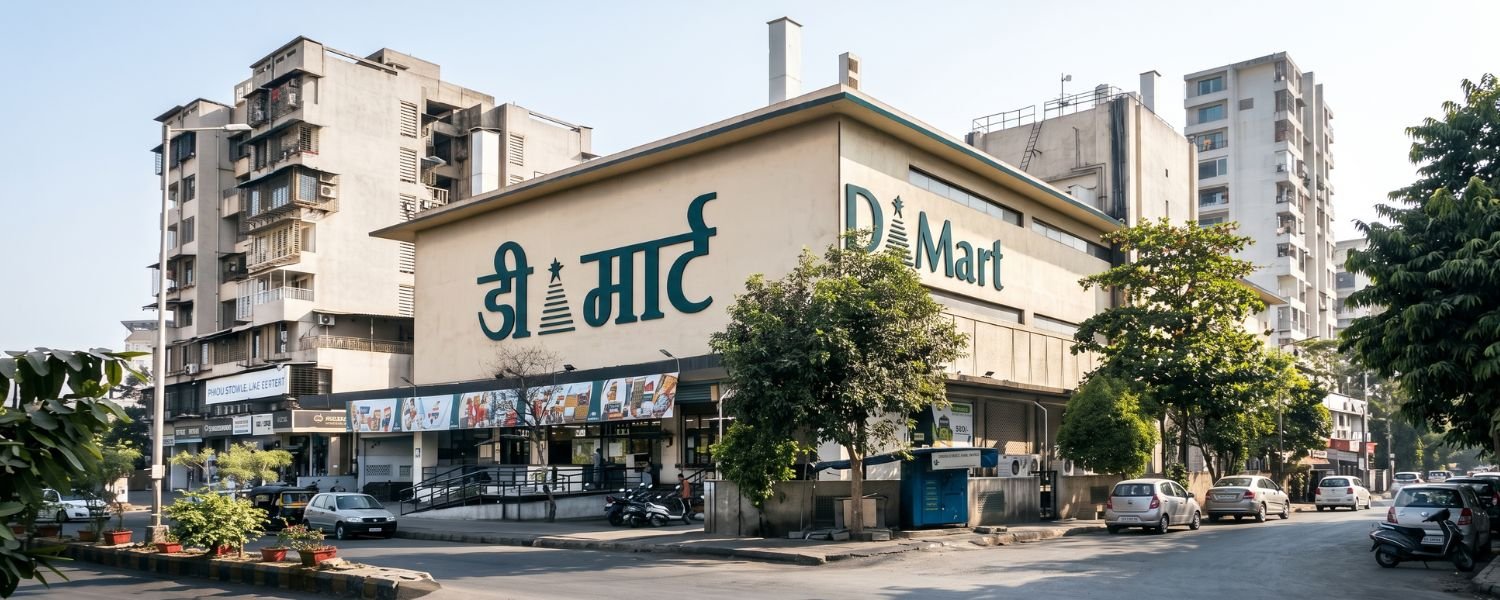
To understand DMart’s massive popularity, one must look at how Indian middle-class families approach household budgeting. For most homes, the monthly grocery bill is one of the largest recurring expenses. DMart recognized this early and built a retail model around maximum savings and absolute reliability.
Affordable Pricing Advantage
The primary reason people prefer DMart over local kirana stores or upscale modern supermarkets is its relentless focus on value. DMart offers everyday low prices rather than temporary seasonal sales. Customers know that whether they shop on the first day of the month or the last, they will get products below the Maximum Retail Price (MRP). This consistent pricing model builds long-term trust and helps families stretch their monthly budgets further.
Everything Under One Roof
Before modern retail chains, a typical family had to visit multiple vendors: a kirana shop for grain, a local chemist for personal care products, and a utility market for plastic houseware. DMart brought all these categories into a single, well-organized space. You can pick up a bag of Basmati rice, a bottle of shampoo, a set of storage containers, and a pair of basic footwear in one single trip.
Customer Trust and Consistency
DMart avoids overly complex loyalty points, complicated cashback systems, or confusing membership schemes. The value proposition is direct and transparent: straightforward discounts marked on the price tags. Furthermore, stock consistency is high. Customers rarely face situation where their regular brands of staples or toiletries are out of stock.
Growing Presence Across India
DMart began its journey in Western India, but its strategic expansion has made it a household name across multiple states. By opening large-format stores near suburban residential hubs across various Indian cities, DMart ensures it stays accessible to its core consumer base.
How Does DMart Keep Its Prices Low?
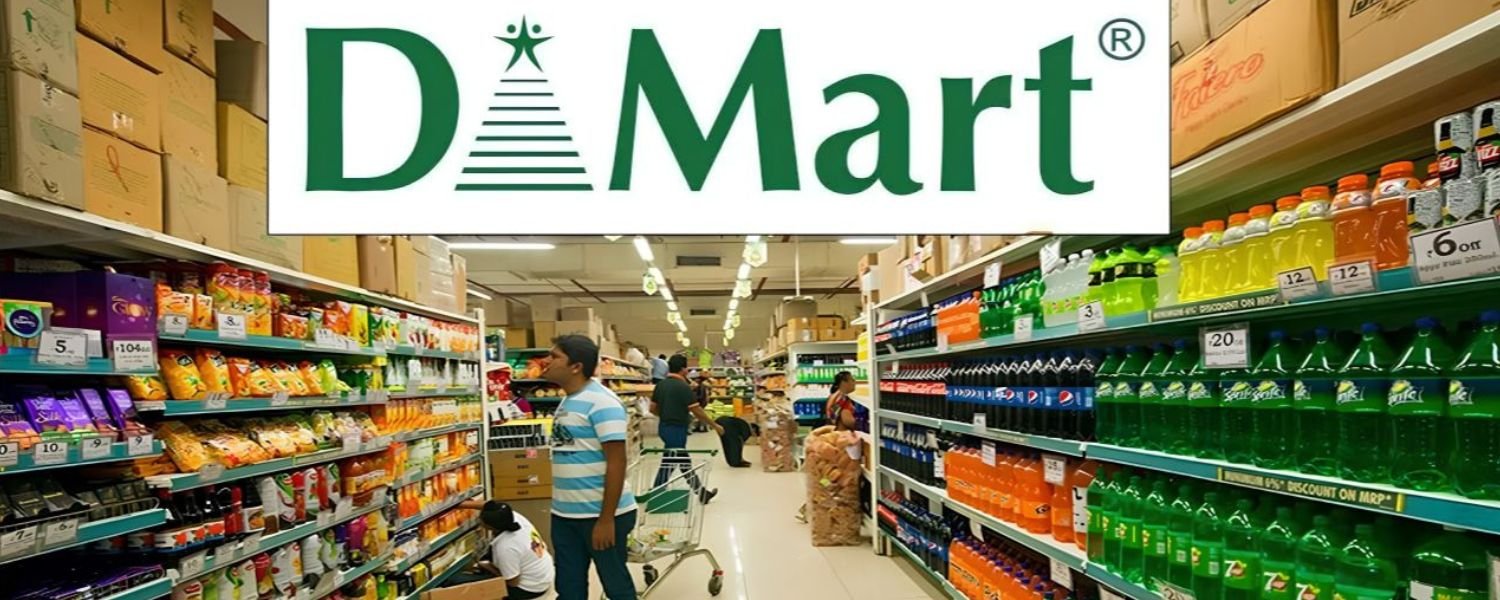
Many shoppers wonder how DMart consistently offers discounts that competing retail chains fail to match. The secret lies in a tightly controlled business strategy designed to minimize unnecessary expenditures and maximize operational efficiency.
- Bulk Purchasing directly from Manufacturers: DMart bypasses multi-layered distributor networks by sourcing goods directly from brands and producers in massive volumes. This scale allows them to negotiate significantly higher trade discounts.
- Prompt Supplier Payments: Unlike standard retail practices where vendors wait 30 to 90 days for payments, DMart pays its suppliers rapidly, often within days. In return, suppliers offer DMart extra cash discounts, which are then passed on directly to the end consumer.
- Low Operational Overhead: DMart stores are functional, simple, and minimalist. They avoid expensive interior decor, lavish air conditioning settings, or heavy spending on celebrity brand endorsements. Every rupee saved on store operations translates into a lower price tag on the shelf.
- High Volume, Low Margin Model: Instead of making a high profit margin on a few items, DMart operates on thin margins across millions of units sold daily. High inventory turnover keeps cash flowing constantly.
- Real Estate Ownership Strategy: Wherever possible, DMart purchases the land and constructs its own store property rather than taking expensive mall spaces on long-term rental leases. Owning the real estate eliminates fixed rental costs, protecting the company from escalating real estate markets.
Who Owns DMart? Founder, Owner Name & Success Story
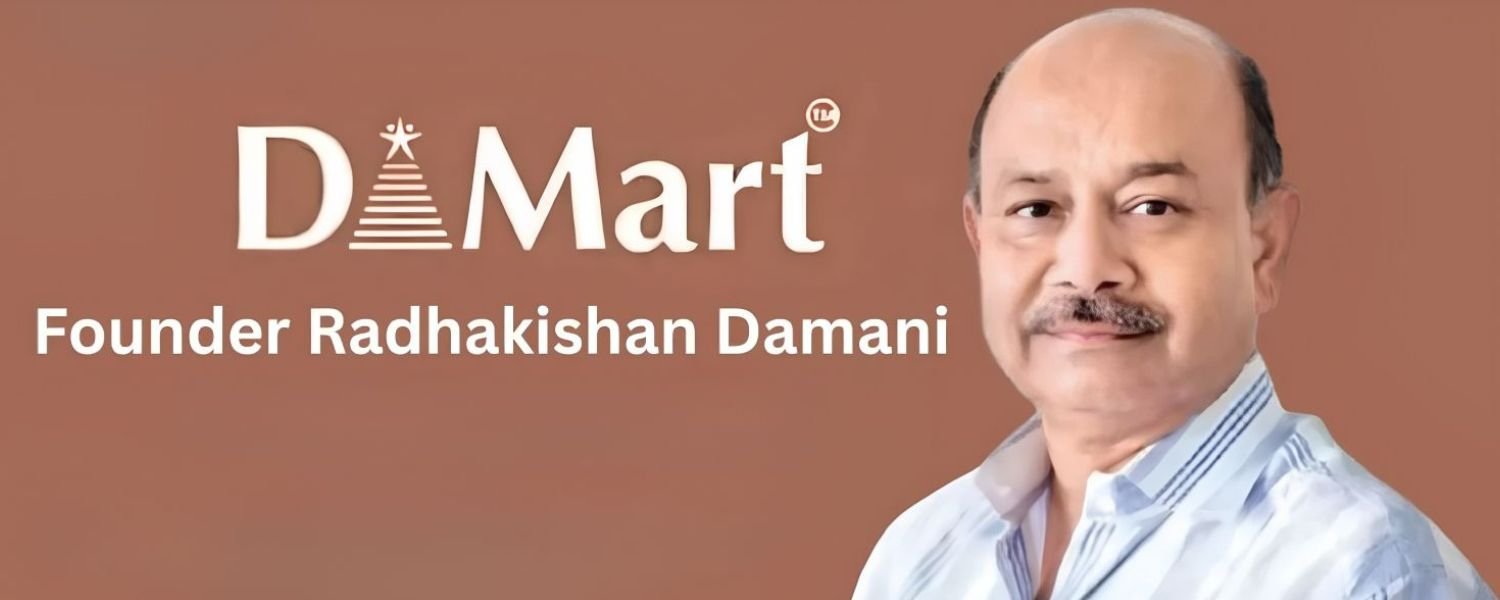
Behind the simple facade of DMart is one of India’s most respected value investors and entrepreneurs. DMart operates under the corporate name of Avenue Supermarts Limited, which was founded by Radhakishan Damani.
Who is Radhakishan Damani?
Radhakishan Damani was already a legendary figure in the Indian stock market long before he entered the brick-and-mortar retail sector. Known for his quiet demeanor and sharp business acumen, he built a reputation as a long-term value investor who deeply understood consumer behavior and commercial economics.
The Vision and Expansion Strategy
In 2002, when modern retail in India was attempting to mirror western luxury hypermarkets, Radhakishan Damani launched the first DMart store in Powai, Mumbai. His vision was focused entirely on the Indian middle class. He realized that Indian shoppers prioritized product quality and real savings over lavish store ambiance.
Instead of rushing into rapid national expansion, Damani took a cautious approach. DMart spent its first decade perfecting its supply chain, refining store layouts, and ensuring profitability in one region before expanding to the next. Today, Avenue Supermarts Limited stands as one of India’s most valuable retail enterprises, showcasing how patience and customer alignment build sustainable business empires.
What Products Can You Buy at DMart?
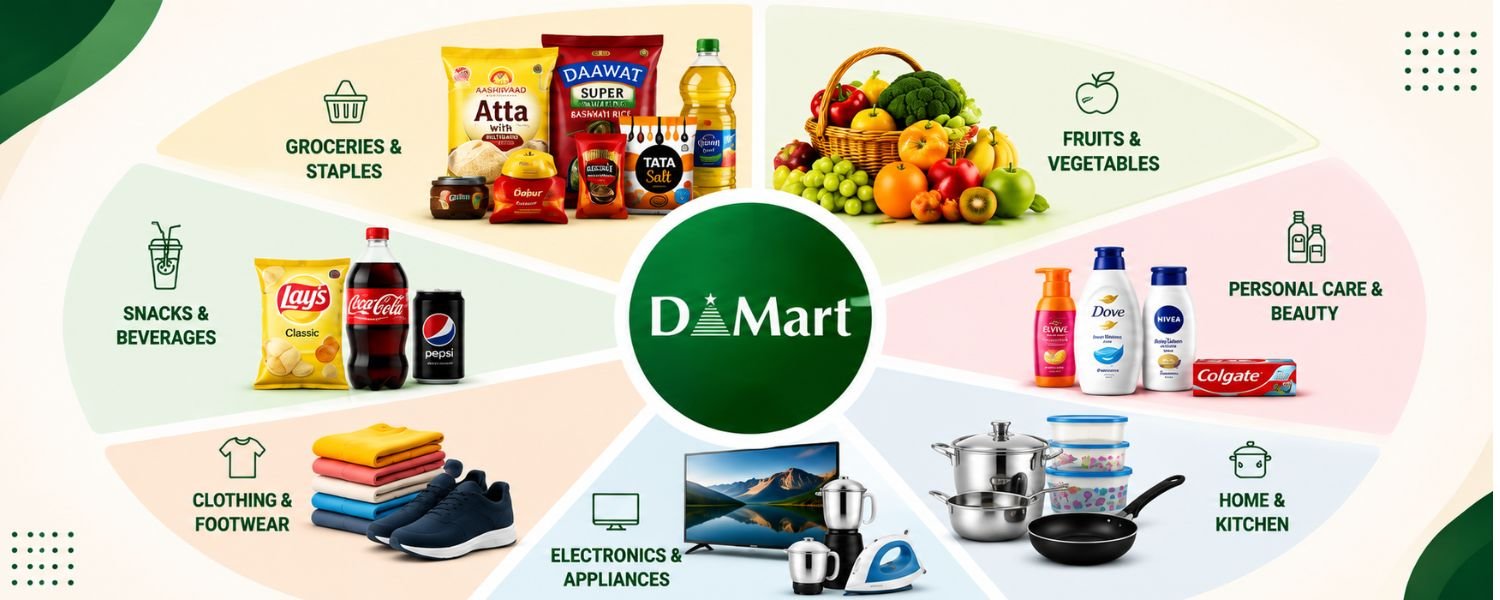
DMart is carefully curated to meet almost every routine requirement of a modern Indian household. The product selection avoids slow-moving luxury goods in favor of fast-moving daily necessities.
1. Grocery Products
Staples form the heart of the DMart shopping basket. The section includes:
- Rice, wheat flour (atta), pulses, and edible oils
- Whole and ground spices, salt, and sugar
- Packaged foods, biscuits, noodles, and breakfast cereals
- Tea, coffee, packaged juices, and health drinks
2. Household Essentials
Maintaining a home requires a steady supply of utility products, including:
- Detergent powders, liquid soaps, and floor cleaners
- Kitchenware, non-stick utensils, and cutlery
- Plastic storage containers, buckets, and cleaning tools
- Home organization racks, towels, and bedsheets
3. Personal Care and Lifestyle Products
DMart provides a broad selection of personal grooming and basic lifestyle items:
- Soaps, body washes, shampoos, and hair oils
- Oral care products, skin creams, and hygiene supplies
- Apparel for men, women, and children including daily wear and rainwear
- Footwear, basic luggage, and school stationery for children
DMart Owner Net Worth and Why the Brand Continues to Grow
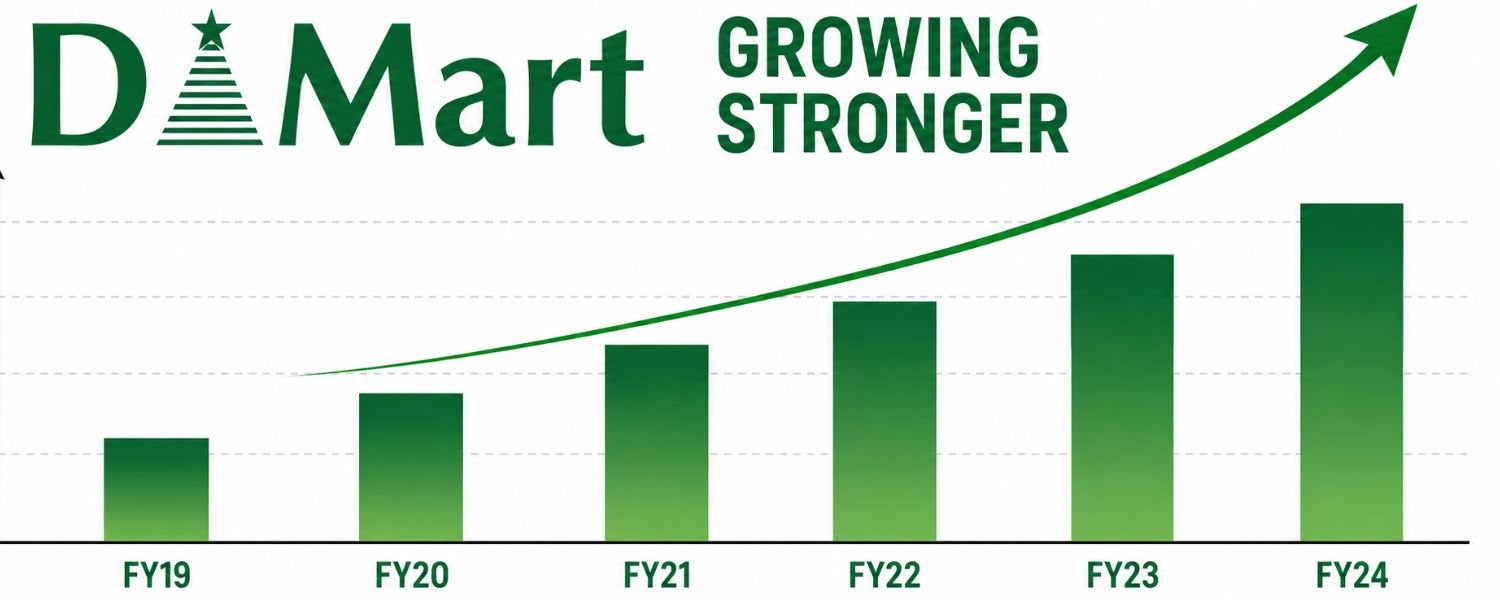
The financial trajectory of Avenue Supermarts Limited mirrors DMart’s physical growth. Upon its public listing on the stock exchange in 2017, the company received an overwhelming response from investors, making it one of the most successful retail IPOs in Indian corporate history.
Radhakishan Damani Net Worth
As the majority shareholder of Avenue Supermarts, Radhakishan Damani and his family consistently rank among the wealthiest individuals in India. The dmart owner net worth is primarily driven by his equity stake in Avenue Supermarts Limited, alongside his personal investment portfolio. While the net worth in rupees fluctuates daily based on stock market valuations, it firmly places him among the elite top tier of Indian billionaires.
Why the Growth Story Persists
DMart continues to grow because it sticks firmly to its core retail principles. While many competing retail ventures diversified too quickly into expensive e-commerce models or high-end luxury products, DMart remains focused on value retail. Its disciplined capital structure, minimal debt, zero-compromise approach on product quality, and deep understanding of the cost-conscious Indian buyer ensure that its retail model remains resilient and future-proof.
Conclusion
DMart’s success comes from its focus on low prices, essential products, efficient operations, and customer trust. With a strong supply chain and steady expansion, DMart continues to set the benchmark for retail success in India.
Frequently Asked Questions
Q1. Why is DMart so popular?
DMart is popular because it provides everyday household products and groceries below the Maximum Retail Price (MRP). Its one-stop-shop model, high product availability, and focus on customer savings make it a preferred choice for Indian families.
Q2. Why is DMart cheaper than other supermarkets?
DMart keeps prices low by purchasing goods in bulk directly from manufacturers, paying suppliers quickly to earn extra cash discounts, operating out of owned real estate to save on rent, and maintaining low operational overheads.
Q3. Who is the owner of DMart?
DMart is owned and operated by Avenue Supermarts Limited, a company founded by the noted investor and entrepreneur Radhakishan Damani.
Q4. What is the DMart owner name?
The founder and owner of DMart is Radhakishan Damani.
Q5. What is DMart owner net worth in rupees?
The dmart owner net worth in rupees varies based on stock market movements and equity valuations of Avenue Supermarts Limited. Radhakishan Damani routinely features among the top ten richest individuals in India, with a net worth evaluated in billions of dollars (hundreds of thousands of crores in Indian Rupees).

.webp)