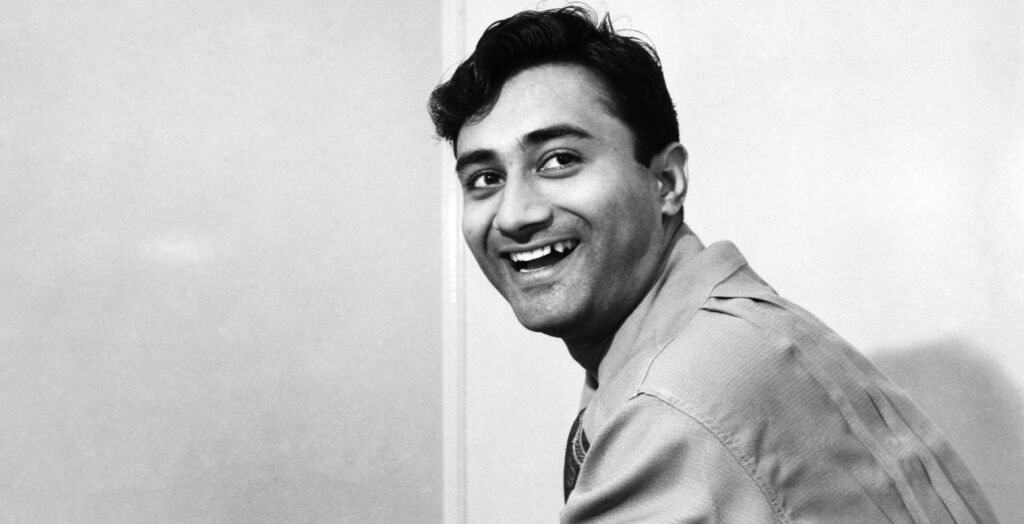
The Dark Period of the Indian Emergency (1975-1977)
The dark period of the Indian Emergency (1975-1977) under the leadership of Prime Minister Indira Gandhi was a time when civil liberties were curtailed, censorship was rampant, and fear gripped the nation.
Dev Anand’s Stand Against the Emergency

During this turbulent era, Bollywood actor Dev Anand, known for his sophisticated persona and charismatic on-screen presence, stood out for his artistry and his unwavering commitment to democracy and free speech.
In this blog, we will delve into the remarkable story of how Dev Anand defied the Emergency, showcasing courage and resilience that went beyond the silver screen.
A Symbol of Freedom
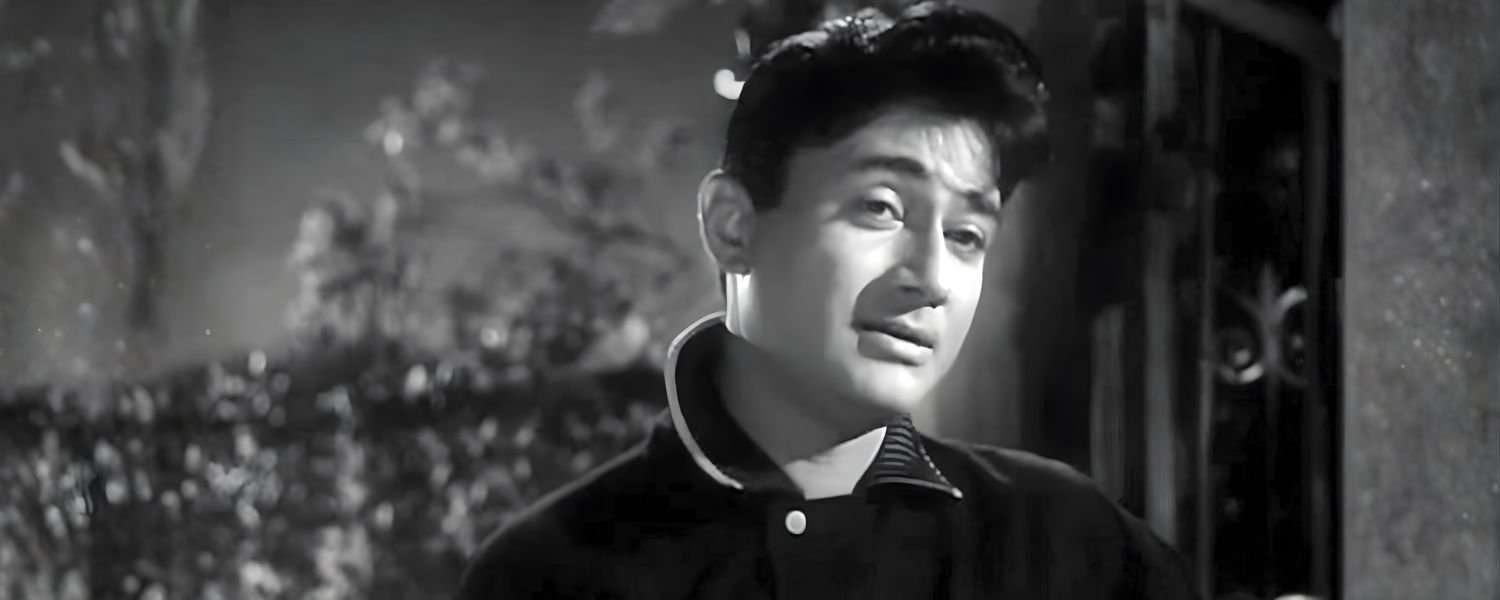
Dev Anand was more than just a popular actor in Bollywood; he was a symbol of freedom and individuality. With his distinct style and charismatic presence, he became a beloved figure not only for his acting talent but for his strong values.
Throughout his career, his films often celebrated key themes like love, liberty, and the human spirit.
These themes were particularly significant in an era when the country faced political repression.
Champion of Liberty in a Time of Repression
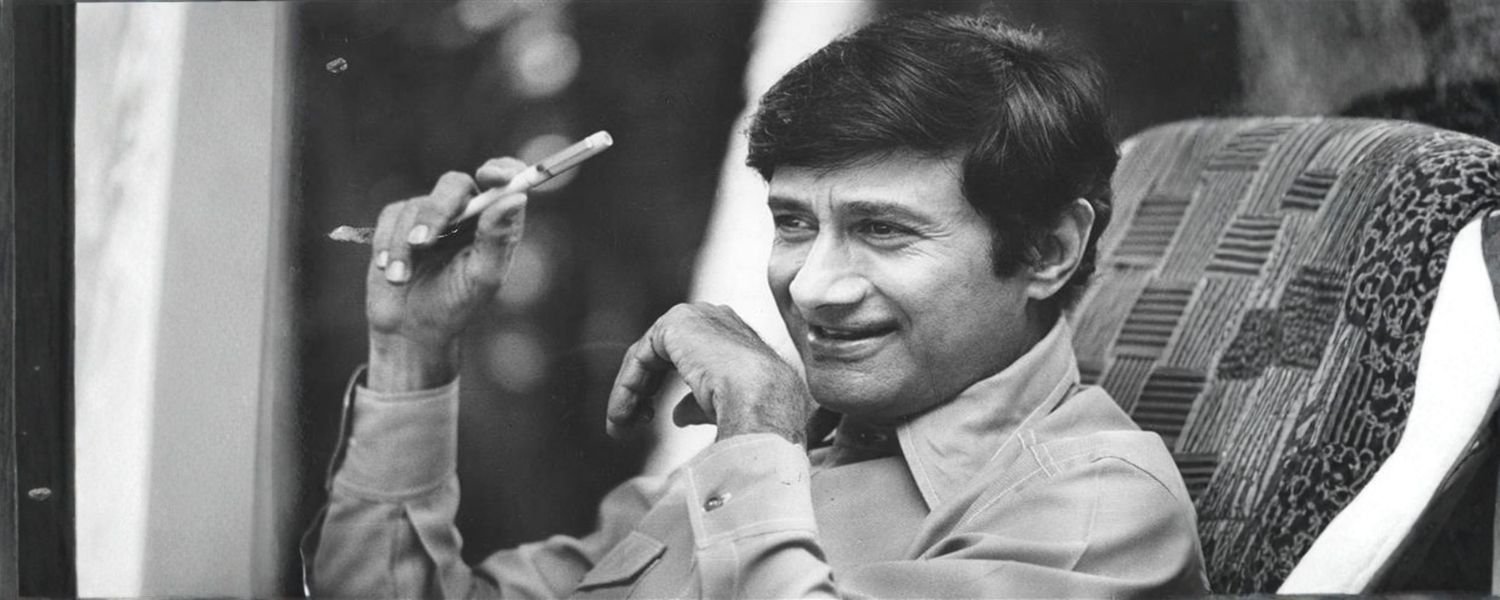
During the dark years of the Indian Emergency (1975-1977), many voices of dissent were silenced, and free speech was suppressed.
In this environment, Dev Anand’s work stood out. His films, which often focused on themes of personal freedom and courage, reflected his commitment to these values.
While many in the film industry chose to stay silent during this challenging time, Anand continued to make films that expressed his beliefs in liberty and individuality.
In many of his roles, Dev Anand portrayed characters who broke free from societal norms, seeking love and personal freedom.
This was a message of defiance during a time when such messages were considered rebellious. His films offered a sense of hope, showing that the human spirit can thrive even in the face of adversity.
Through his actions both on and off the screen, Dev Anand demonstrated the importance of standing up for one’s beliefs.
He remained a powerful symbol of resilience, showing that true freedom comes from the courage to be oneself, regardless of external pressures.
The Unwavering Voice
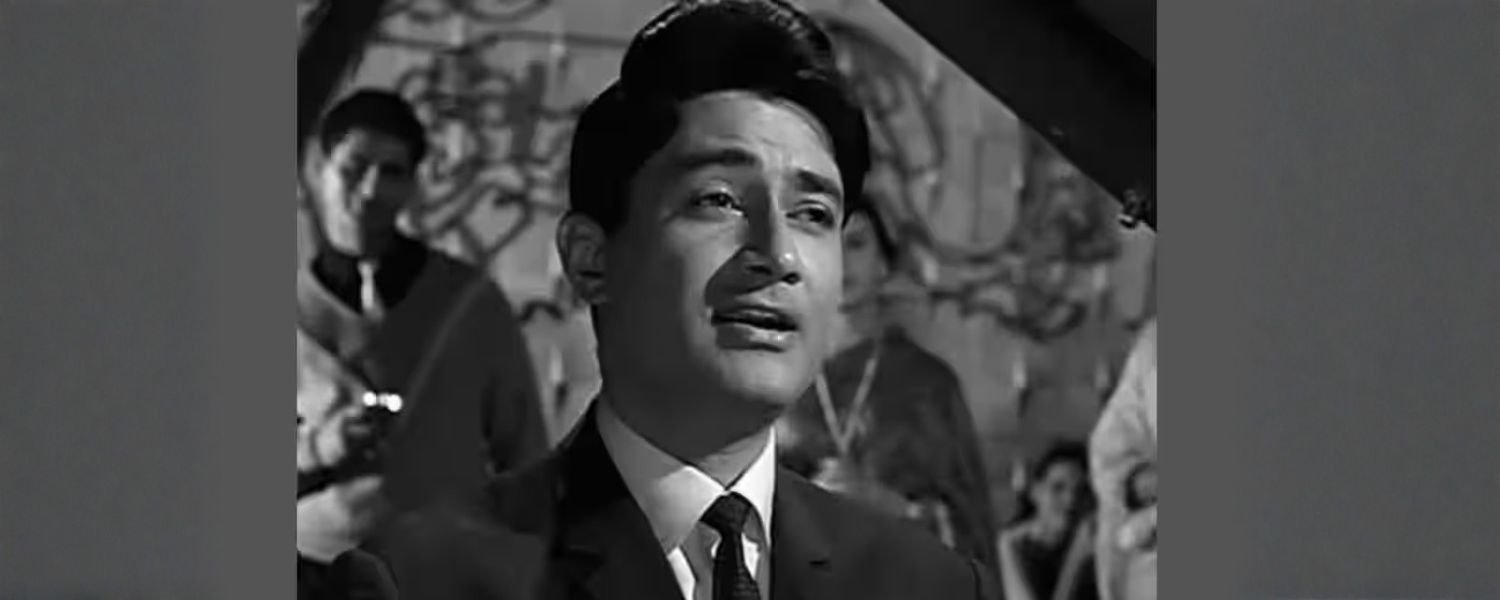
During the turbulent years of the Emergency (1975-1977), many in the film industry chose to remain silent, either out of fear or conformity to government directives.
However, Dev Anand was one of the few who refused to be silenced. As the country grappled with censorship and political repression, he boldly used his platform to speak out against the authoritarianism that was gripping the nation.
His unwavering voice became a beacon for those who believed in the power of free speech and democracy.
A. A Bold Stand Against Censorship
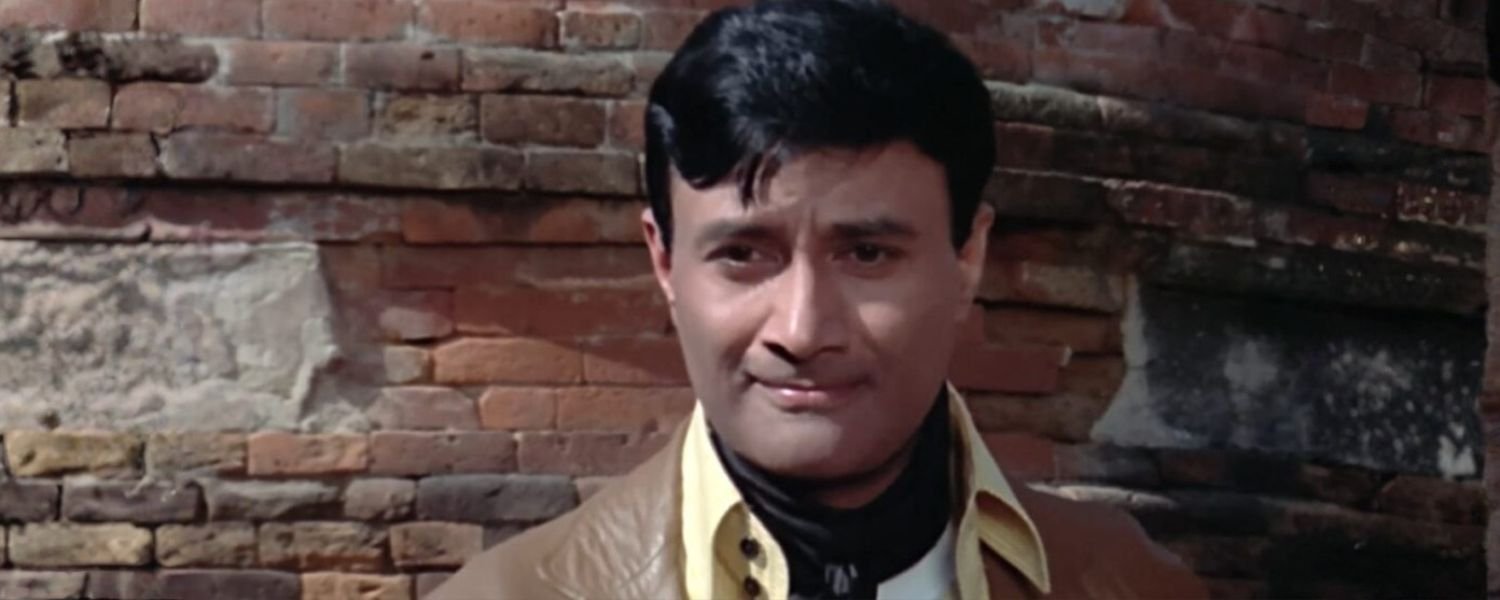
Dev Anand was not one to shy away from controversy, especially when it came to issues of personal and political freedom. One of his most memorable acts of defiance during the Emergency was the release of his film Bullet.
The film, which carried strong political themes, faced significant censorship hurdles from the government, which was keen on suppressing any content that could challenge its authority.
Despite the pressure and the risk to his career, Dev Anand refused to back down. He fought tirelessly for Bullet‘s release, even if it meant making personal sacrifices.
His determination to ensure the film saw the light of day was a powerful statement: he would not compromise on his principles for the sake of convenience or fear of political repercussions.
The film eventually reached the big screen, though government censorship required a few edits.
Even with those changes, the essence of the film stayed intact. Dev Anand’s message remained clear—his commitment to freedom of expression and the restoration of democracy could not be silenced.
B. Legacy of Defiance and Courage
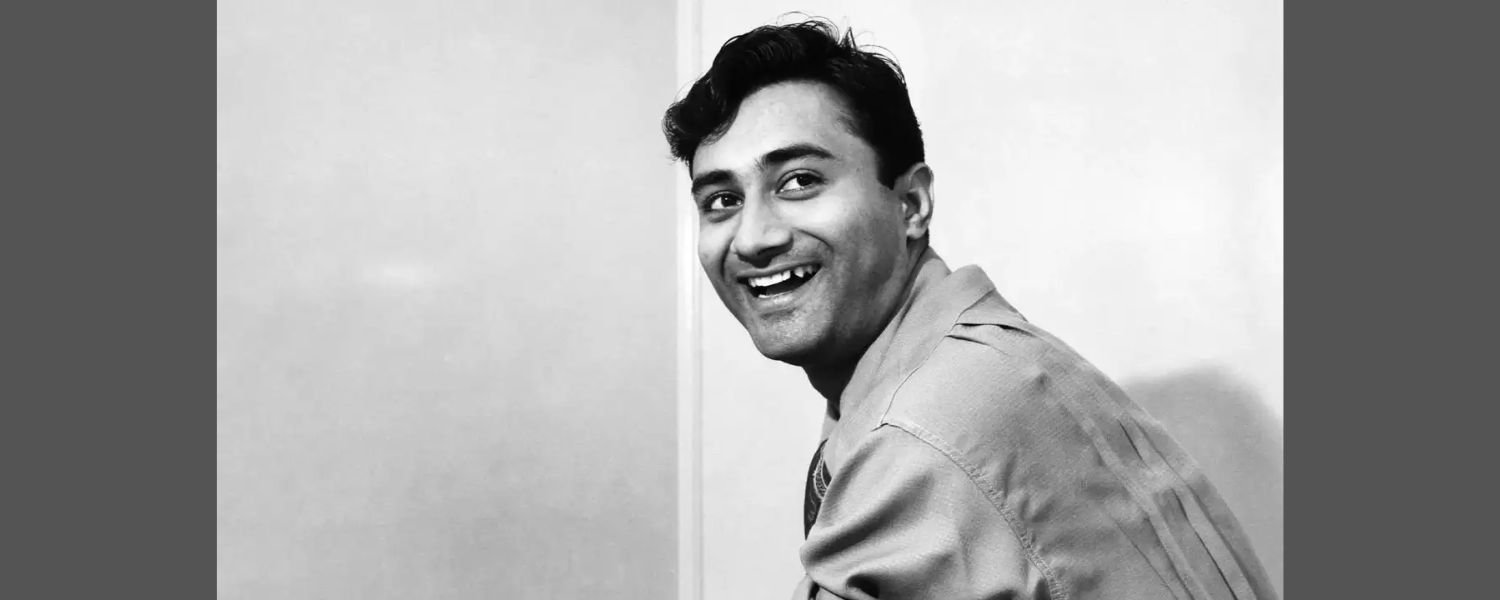
Dev Anand’s actions during the Emergency were a testament to his courage and dedication to upholding the values of democracy.
In a time when most of the country was silenced by fear, he stood firm in his beliefs, proving that the spirit of resistance could still thrive in the face of oppression.
His defiance in the face of censorship reinforced his legacy as not just a cinematic icon, but a staunch advocate for the freedom of speech and expression.
The Iconic “Main Chali Main Chali” Incident
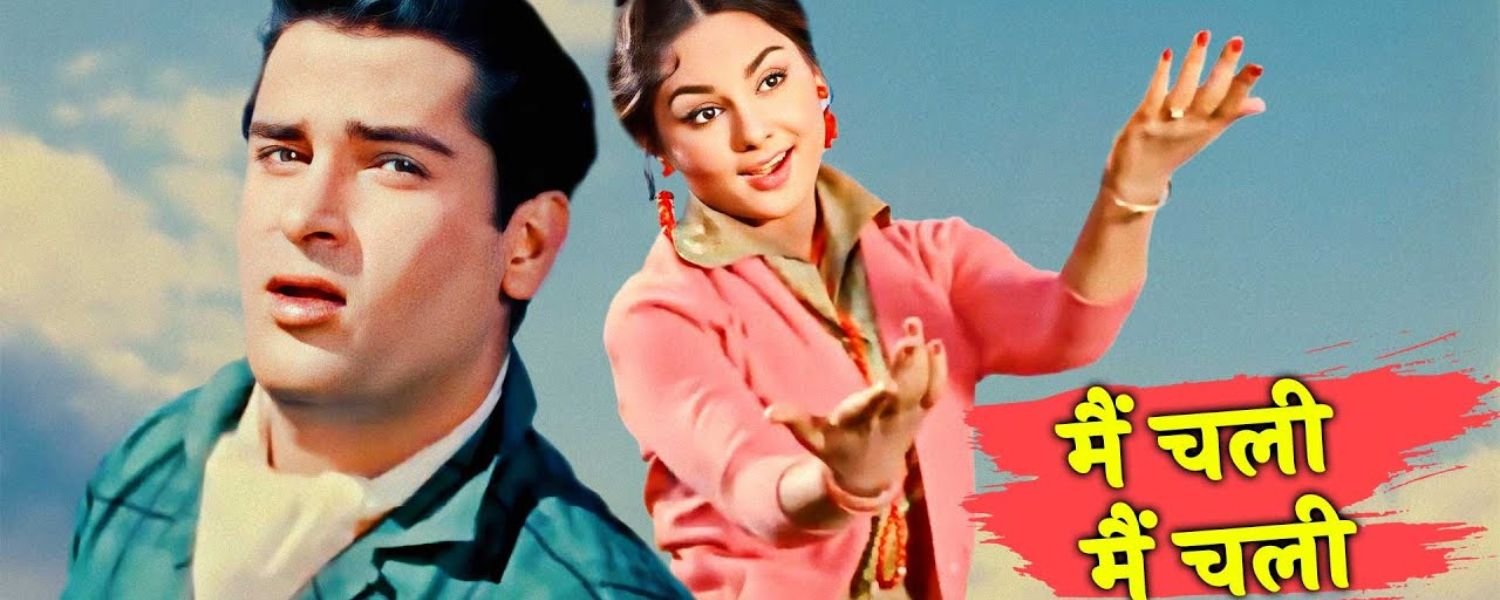
Another incident that showcased Dev Anand’s indomitable spirit was his run-in with the government authorities during the shooting of the song “Main Chali Main Chali” for the film “Paying Guest.”
The song featured actress Nutan draped in a sari with the colours of the Indian flag, and this was seen as a violation of the Flag Code.
Instead of giving in to pressure and reshooting the scene, Dev Anand stood firm. He believed that political agendas should not curtail artistic expression.
This act of defiance not only exemplified his commitment to creative freedom but also earned him the admiration of many who were silently yearning for a voice of dissent.
The Legacy of Courage and Resilience
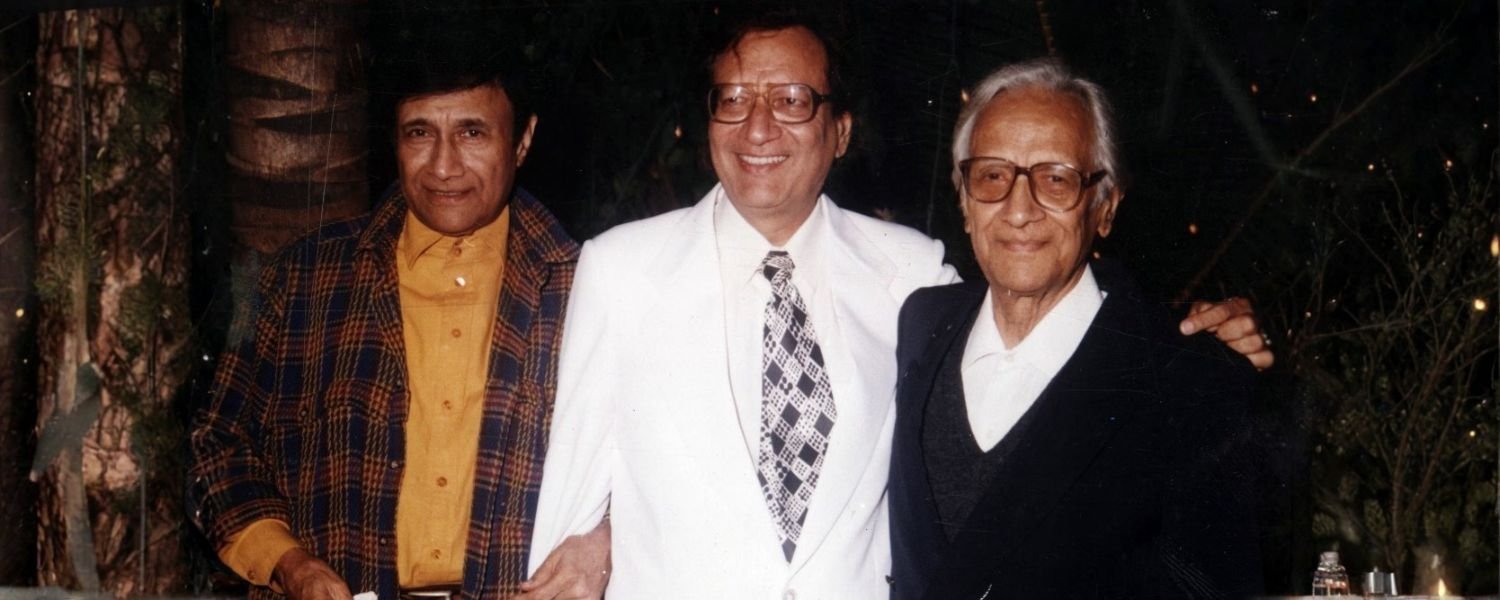
Dev Anand’s defiance during the Emergency era remains a powerful testament to his unwavering commitment to democracy, free speech, and artistic expression. At a time when the country was under strict censorship and political repression, Anand’s courage stood out.
He risked his career, reputation, and even personal safety to speak out against the authoritarian regime and defend the values of liberty and free expression.
His actions during this turbulent period not only solidified his place as a beloved actor but also as a fierce advocate for individual freedoms and the restoration of democracy.
A. A Risk Worth Taking: Standing Up for Beliefs
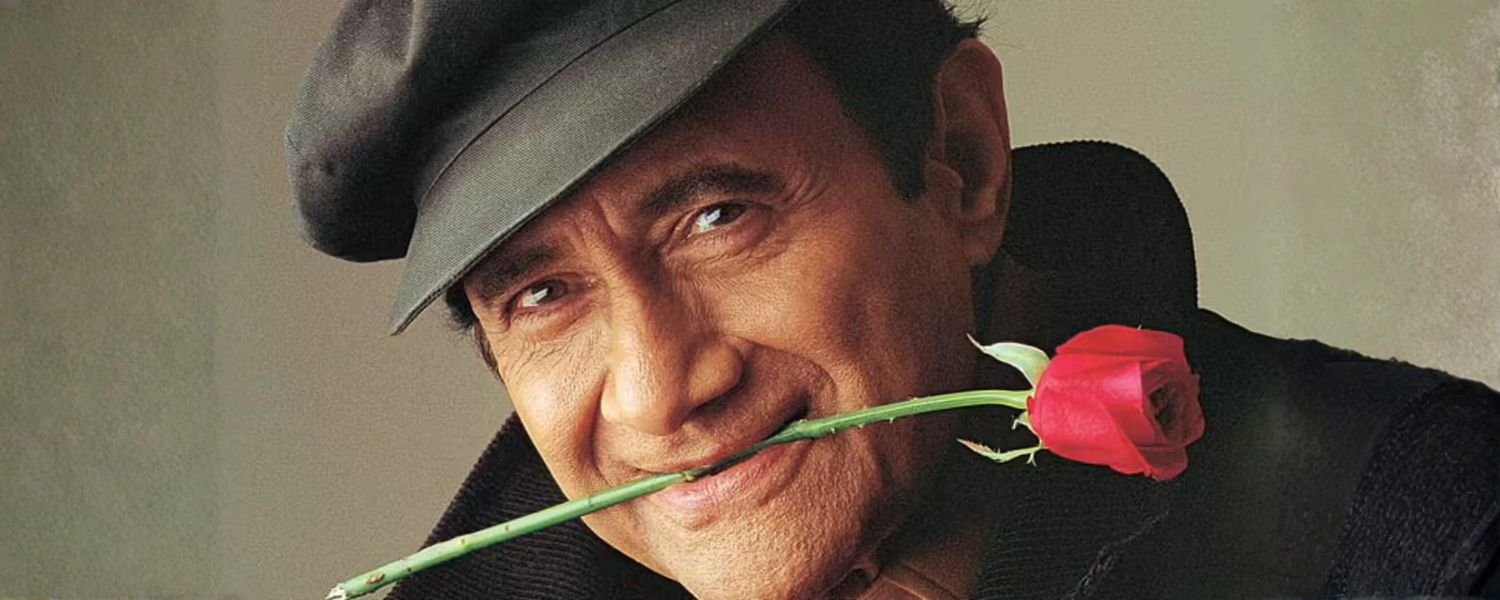
Dev Anand’s refusal to back down in the face of immense pressure was a courageous act. The film industry, like much of the country, was stifled by the fear of government retribution. Yet, despite the risks, Anand never hesitated to challenge the status quo.
His willingness to take on the powers that be, whether through his film Bullet or his public statements, reflected a deep belief in the importance of artistic freedom and democracy.
His actions served as a reminder that true courage is not just about confronting personal challenges but also about standing up for the rights and freedoms of others.
By doing so, Dev Anand set a powerful example for those around him. He showed that sometimes the most important battles happen not on the screen but in the real world, where values like truth and justice are at stake.
B. Inspiring Future Generations

Dev Anand’s legacy as a courageous advocate for freedom continues to inspire countless artists and activists in India and around the world. His defiance during the Emergency reminds us of the importance of having individuals who are willing to challenge authority and speak truth to power.
In a time when many chose silence, Anand’s voice rang out as a beacon of hope, proving that even in the darkest of times, one person’s commitment to righteousness can make a difference.
Today, his legacy lives on in the work of those who continue to fight for artistic freedom, democracy, and human rights. Whether through cinema, activism, or other forms of expression, the spirit of defiance that Dev Anand embodied continues to influence and inspire generations.
His story is a reminder that the fight for freedom and justice never truly ends, and that we all have a role to play in safeguarding the values that make a society truly free.
Conclusion
Dev Anand’s stand during the Emergency was more than a moment in film history. It showed courage during a time when fear, censorship, and political pressure affected many voices in the country.
While many people stayed silent, Dev Anand chose to speak for democracy, freedom of speech, and artistic expression. His decision carried personal risks, yet he remained firm in his beliefs.
Courage During Difficult Times
Dev Anand’s actions remind us that even in difficult situations, some people still stand up for what is right. He refused to accept authoritarian pressure and openly opposed censorship.
Because of this, he became more than just a famous actor. He became a symbol of resilience for those who value freedom and justice.
By using his public platform to question the system, he showed that one strong voice can inspire many others.
A Lasting Inspiration
Today, Dev Anand’s legacy still inspires artists, thinkers, and individuals who believe in freedom of expression. His role during the Emergency remains an important example of courage.
People remember him not only for his memorable films but also for his commitment to democratic values.
His life shows that real heroes do more than entertain. They stand for principles that protect society.
Dev Anand’s story continues to remind us that courage, integrity, and determination can leave a lasting impact for generations to come.

.webp)