In a recent decision that has sparked significant debate, the Colorado Air Quality Control Commission approved an Emissions Regulation rule for large industries. This decision has been met with strong opposition from environmental groups who argue that the rule weakens pollution control and overlooks the mandates of the Environmental Justice Act.
The Rule and Its Implications
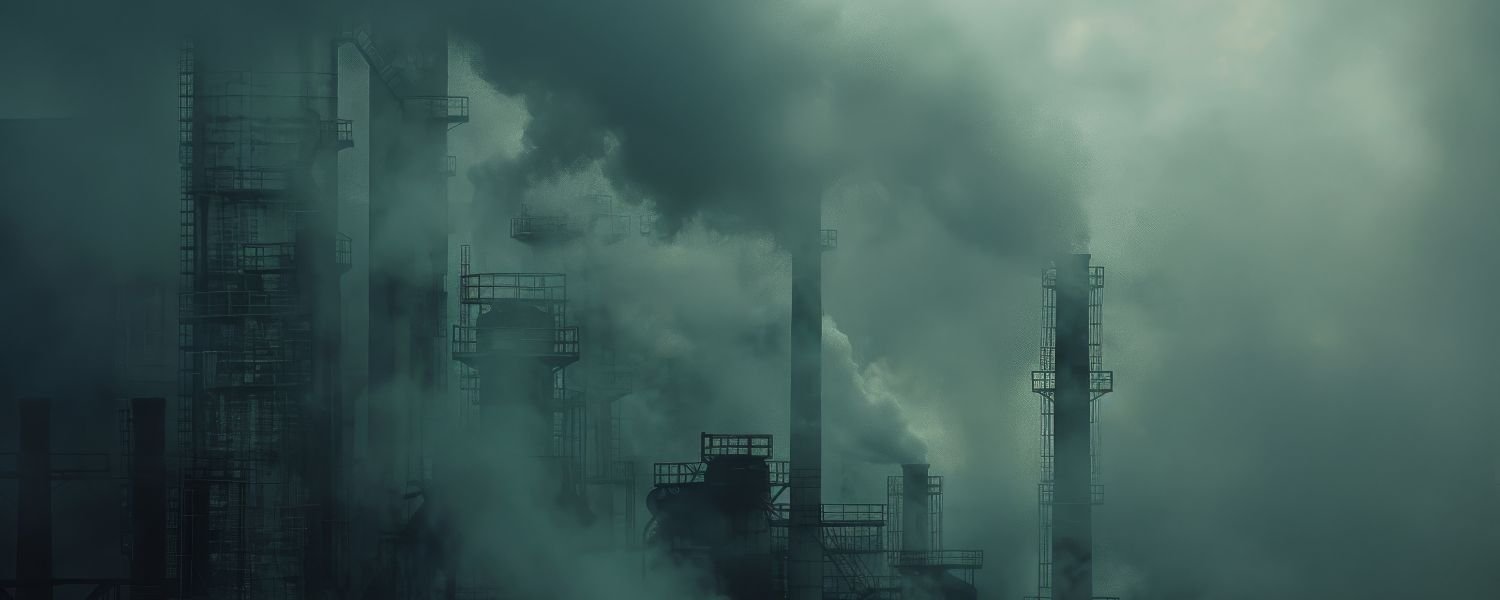
The Colorado Air Quality Control Commission, during a rulemaking hearing, granted significant concessions to 18 major industries. These include notable names such as the Molson Coors brewery in Golden, beef producer JBS Swift, Leprino Foods in Greeley, and the Suncor Energy refinery in Commerce City.
The divide between environmental advocates and industry representatives was evident during the hearing. Environmentalists argue that state laws should not be compromised and industries must adhere to the set emissions standards.
In contrast, industry representatives believe the new regulations are too aggressive and could potentially drive businesses out of the state to regions with less stringent environmental guidelines.
The Environmental Justice Act’s Role
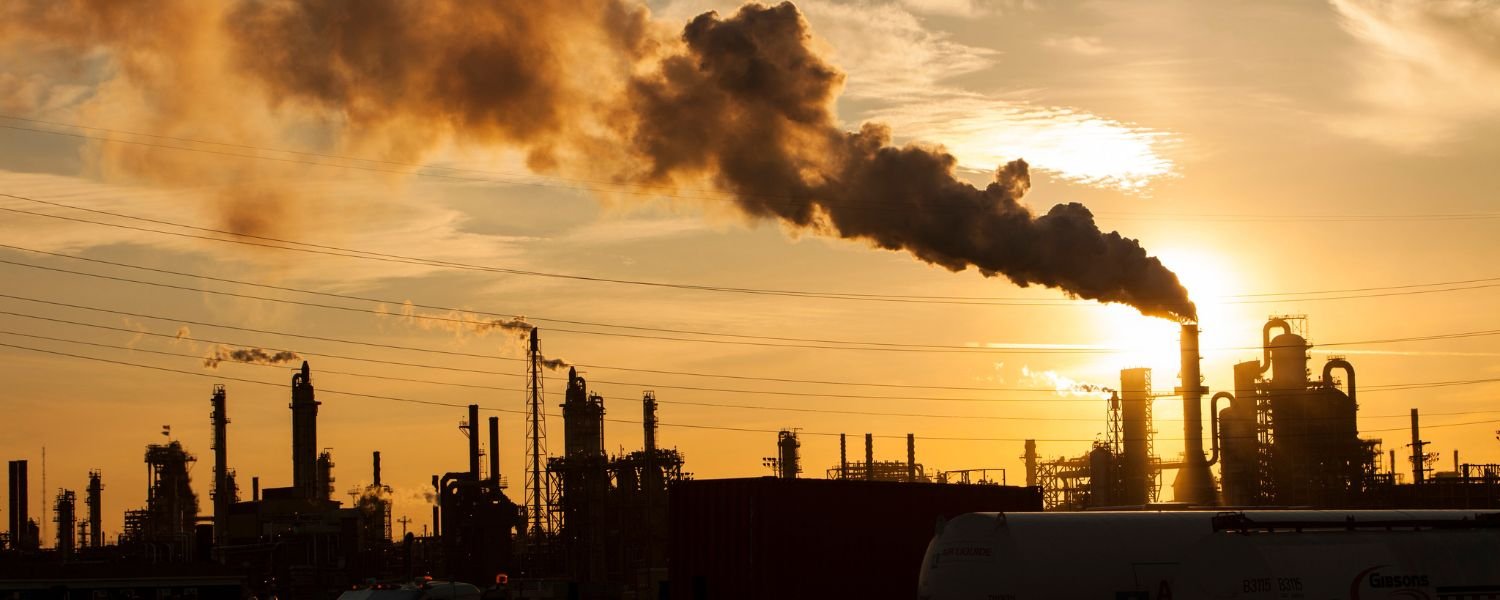
The Environmental Justice Act mandates a 20% reduction in emissions from the industrial sector by 2030, using 2015 levels as a benchmark. According to state enforcement officials, the industries affected by this rule have already achieved a 12% reduction since 2015. This is just 1% shy of the 13% greenhouse gas emissions limit set for 2024.
However, industry representatives have voiced concerns about the feasibility of meeting future reduction standards. They have proposed a “cap and trade” system, allowing companies that fail to meet the standards to purchase credits from those that exceed them.
Another suggestion from the industry was the establishment of a state-administered climate mitigation fund. This fund would allow non-compliant industries to contribute to emissions reduction programs in communities disproportionately polluted. The commission has adopted this latter proposal.
Environmental Groups’ Response
Environmental advocates have raised serious concerns about the proposed concessions. They argue that allowing companies to continue polluting while funding mitigation projects elsewhere does not solve local air quality issues. Communities near these facilities still face harmful emissions.
Ean Thomas Tafoya, Colorado state director for GreenLatinos, voiced strong frustration. He criticized efforts to weaken the Environmental Justice Act. He argued that the rule favors polluters. He also opposed the idea of letting companies “pay to pollute” instead of cutting emissions directly.
John Jacus, an attorney representing several companies, offered a different view. He pointed to the difficulty of meeting the 2024 compliance deadline. He warned that strict regulations could push some businesses to leave Colorado.
Meghan Dollar, senior vice president for government affairs at the Colorado Chamber of Commerce, said the AQCC aims for long-term emission reductions. She added that regulators are trying to ensure companies can comply with the rules.
Environmental groups remain dissatisfied. Olga Gonzalez, executive director of Cultivando, said the rule fails to address immediate air pollution concerns. Ian Coghill of Earthjustice also argued that the regulation does not adequately reduce pollution in heavily impacted communities.
Conclusion
The debate over Colorado’s industrial emissions regulation highlights a difficult balance. Policymakers must weigh economic stability against environmental justice.
This issue reflects a broader global challenge. Governments worldwide face pressure to reduce emissions while protecting jobs and investment. The outcome in Colorado may shape future climate and air quality policies.

.webp)