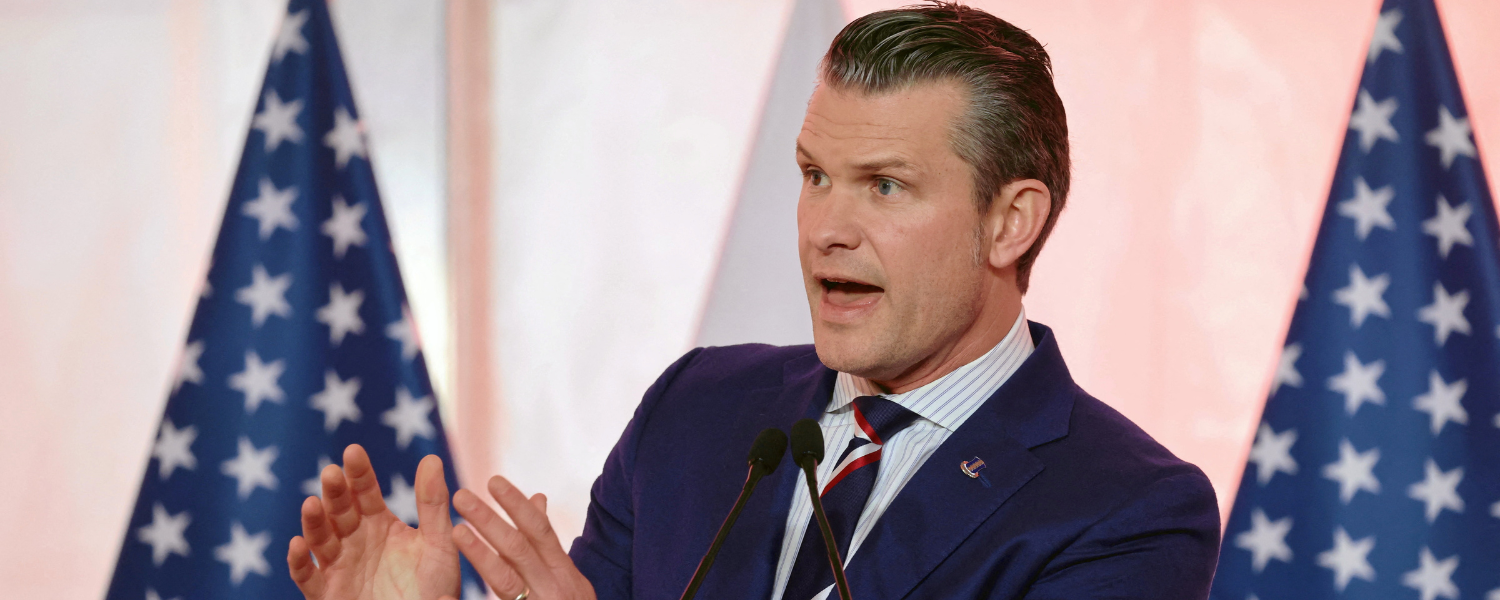
The recent reports surrounding a possible withdrawal of United States troops from Poland have triggered strong reactions across Europe and within the American defense community. Defense Secretary Pete Hegseth has reportedly supported a major reduction of US military presence in parts of Eastern Europe, including the repositioning of thousands of troops stationed in Poland.
The move has surprised Pentagon officials, NATO observers, and European allies who viewed the deployment as a critical security measure after Russia’s invasion of Ukraine. As discussions continue, concerns are growing over what this could mean for NATO unity, regional stability, and Washington’s long term defense priorities.
Why US Troops Were Stationed in Poland
Poland became one of the most strategically important military locations for the United States after tensions between Russia and NATO escalated over the past decade. Following Russia’s annexation of Crimea in 2014 and the invasion of Ukraine in 2022, the United States increased troop deployments across Eastern Europe to reassure NATO allies and strengthen deterrence efforts.
Thousands of American troops, armored units, and logistics teams were positioned in Poland due to its proximity to Ukraine and the Russian enclave of Kaliningrad. The presence also helped facilitate military aid deliveries and NATO coordination across the region.
Reports of a Planned Withdrawal
NATO
Security Concerns Rise
NATO allies are monitoring the troop withdrawal reports closely as concerns grow over stability in Eastern Europe.
POLAND
Strategic Military Hub
Poland continues to play a key role in NATO logistics, troop coordination, and regional defense operations.
PENTAGON
Troop Repositioning
Defense officials remain divided over the long term impact of reducing military presence in the region.
DEFENSE POLICY
Strategic Military Shift
Pentagon officials continue reviewing the long term impact of reducing military presence across Eastern Europe.
Recent media reports indicate that the Pentagon has been considering the withdrawal or repositioning of nearly 4,000 troops from Poland. According to officials familiar with internal discussions, many defense leaders were caught off guard by the speed and scale of the proposal. Reports suggest that some Pentagon officials learned about the possible shift through internal communications rather than through a coordinated strategic rollout.
The discussions reportedly gained momentum under Defense Secretary Pete Hegseth, whose defense priorities appear to focus on reducing overseas military commitments and reallocating resources toward domestic readiness and Indo Pacific operations.
Pentagon Officials React to the Decision
The reports have generated concern among Pentagon officials who fear the decision may create uncertainty among NATO allies. Some officials reportedly described the development as unexpected and poorly communicated. Military analysts argue that troop deployments in Poland serve not only as a defensive measure but also as a symbolic commitment to collective security in Europe.
Critics inside defense circles believe that reducing forces too quickly could embolden adversaries or create doubts about America’s willingness to defend Eastern European allies during periods of heightened geopolitical tension. Supporters of the move argue that troop rotations and strategic flexibility are part of modern defense planning.
Poland’s Strategic Importance in NATO
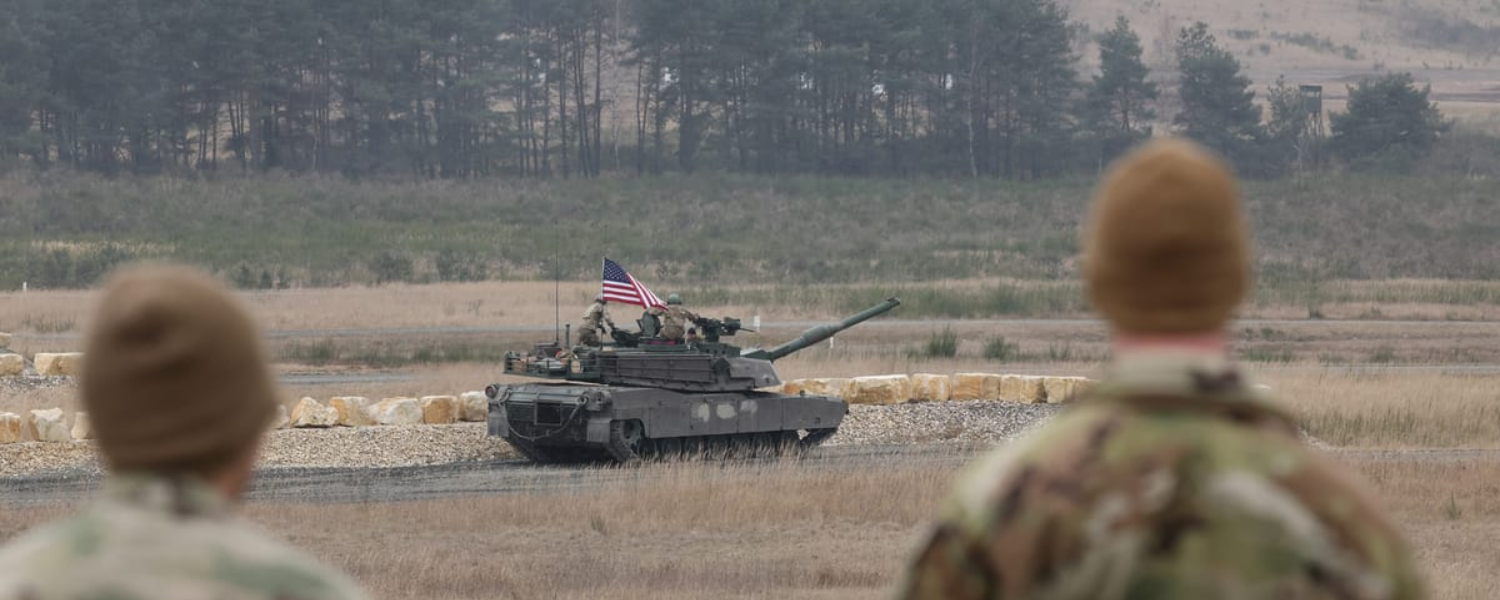
Poland has emerged as one of NATO’s strongest military partners in Europe. The country has significantly increased defense spending, invested heavily in modern weapons systems, and hosted multinational military exercises involving American and allied forces. Poland also became a central hub for military assistance flowing into Ukraine after the Russian invasion.
Because of its geographic location, Poland is often viewed as a frontline NATO state. Any reduction in American troop presence could therefore carry both military and political implications, especially at a time when European security remains under intense pressure from regional instability.
European Allies Watching Closely
European leaders are carefully monitoring the developments surrounding the possible troop reduction. Several NATO countries have privately expressed concern about the message such a move could send to Russia and other adversaries. While NATO officials continue to emphasize alliance unity, analysts believe even small changes in force posture can influence perceptions across Europe.
Countries bordering Russia and Belarus rely heavily on visible American military support as a deterrent. A reduction in troops may encourage European governments to accelerate their own military investments while also pushing NATO to rethink how it distributes defense responsibilities among member nations.
Hegseth’s Defense Approach and Political Debate
Pete Hegseth has long advocated for a defense strategy that prioritizes American interests and reduces what some conservatives describe as unnecessary overseas military commitments. Supporters argue that the United States should encourage European nations to take greater responsibility for regional security instead of depending heavily on American forces.
Critics, however, warn that scaling back military deployments in Eastern Europe at this stage could weaken NATO’s deterrence posture. The debate reflects a larger political divide in Washington over how America should balance global military leadership with domestic priorities and rising competition from China in the Indo Pacific region.
Impact on NATO and Russia Relations
Any change involving American troops in Eastern Europe is likely to attract close attention from Russia. Moscow has consistently criticized NATO expansion and the presence of foreign troops near its borders. Analysts say Russia may interpret a troop reduction as a sign of shifting American priorities or reduced alliance cohesion.
However, NATO leaders maintain that force adjustments do not change the alliance’s collective defense commitments. Some experts also note that military strategy is increasingly focused on mobility and rapid deployment rather than permanent stationing. Even so, symbolism remains powerful in international relations, especially during periods of ongoing conflict.
What Happens Next
At this stage, officials have not confirmed whether the troop withdrawal plan will move forward in its current form. Discussions inside the Pentagon and consultations with NATO allies are expected to continue in the coming weeks. Defense experts believe the final decision will depend on several factors including regional security conditions, military readiness assessments, and diplomatic coordination with European partners.
If implemented, the move could mark a significant shift in America’s military posture in Europe. It may also shape future debates about NATO burden sharing, defense spending, and Washington’s evolving role in global security affairs.
Conclusion
The controversy surrounding the proposed withdrawal of US troops from Poland has quickly become one of the most closely watched defense developments in Europe. With tensions between NATO and Russia still high, even limited military adjustments carry major political and strategic consequences.
Supporters of the proposal believe the United States must rethink its global deployments and encourage allies to strengthen their own defenses. Critics fear the move could weaken deterrence and create uncertainty among NATO partners. As Pentagon officials, European leaders, and defense analysts continue to debate the issue, the final outcome could influence the future direction of American military strategy in Europe for years to come.
For more latest news, in-depth stories, and trending insights from around the world, keep visiting WikiWala and stay connected to what truly matters every day.
Disclaimer
This article is based on publicly available news reports, defense analysis, and official statements available at the time of writing. Military and government decisions may change as new information emerges. The article is intended for informational and journalistic purposes only.
Sources

.webp)