The federal gas tax has returned to the center of national discussion as lawmakers debate fuel prices, transportation funding, and consumer relief. Many drivers across the United States are asking a simple question: how much is the federal gas tax and where does that money go?
The topic gained attention again after recent political discussions about reducing taxes on fuel to help families dealing with rising transportation costs. While state taxes often change from one region to another, the federal gas tax remains the same nationwide and directly affects every gallon purchased at the pump.
U.S. Fuel Overview
Federal Gas Tax Quick Facts
Updated 2026
Gasoline Tax
18.4¢
Per gallon nationwide
Diesel Tax
24.4¢
Federal diesel fuel tax
Last Increased
1993
No changes in over 30 years
Main Purpose
Infrastructure
Roads, bridges, and transit
What Is the Federal Gas Tax?
The federal gas tax is a nationwide fuel tax collected by the federal government on every gallon of gasoline sold in the United States. The money collected is mainly used to support transportation projects such as highways, bridges, road repairs, and public transit systems.
Drivers usually do not pay the tax separately because it is already included in the price displayed at gas stations. The tax has existed for decades and plays a major role in maintaining transportation infrastructure across the country. Diesel fuel also has a separate federal tax rate that is slightly higher than gasoline.
How Much Is the Federal Gas Tax Right Now?
The current federal gas tax on gasoline is 18.4 cents per gallon. For diesel fuel, the federal tax is 24.4 cents per gallon. These rates have remained unchanged since 1993, making them one of the longest standing federal tax rates in the country.
Even though fuel prices have increased significantly over the years, Congress has not approved an increase to the federal gas tax in more than three decades. Inflation and higher construction costs have reduced the purchasing power of the money collected, creating funding concerns for transportation agencies nationwide.
Why Was the Federal Gas Tax Created?
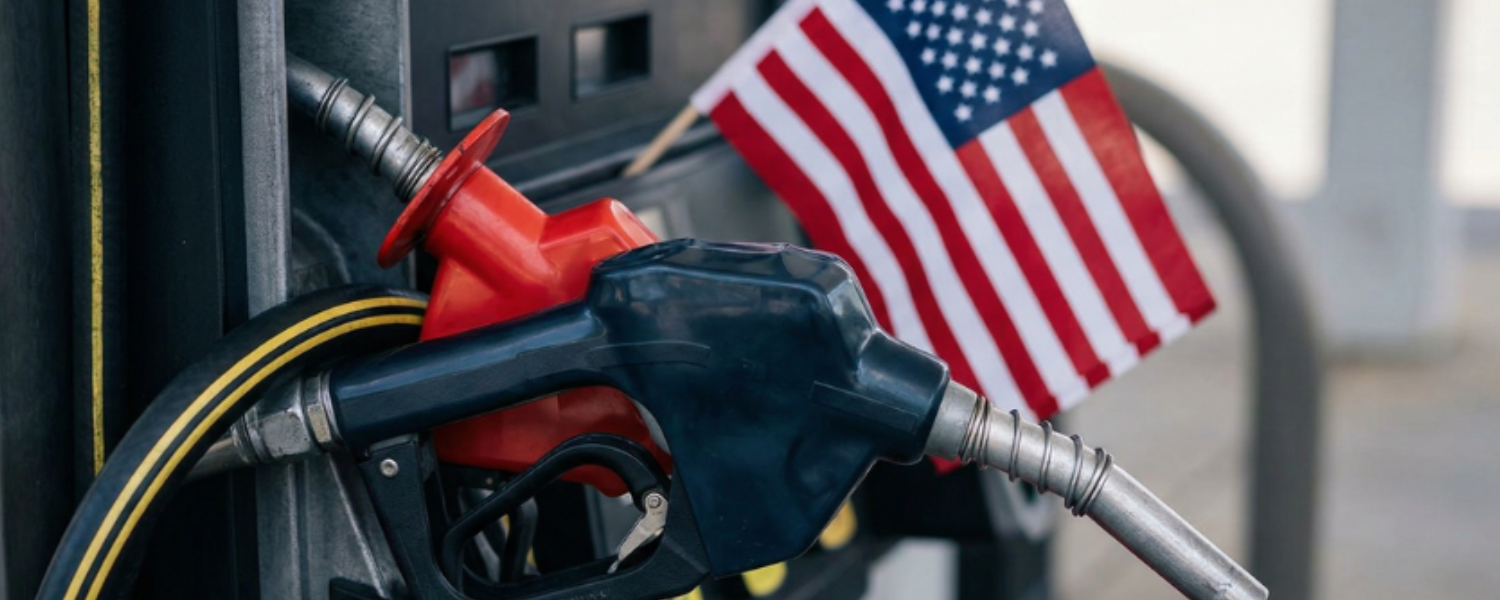
The federal gas tax was first introduced in 1932 during the Great Depression. At the time, the government needed additional revenue to help support economic recovery efforts. Over the years, the purpose of the tax evolved into transportation funding.
A large portion of the money now goes into the Highway Trust Fund, which supports road construction and maintenance projects throughout the country. Since millions of Americans rely on highways every day, the tax became a dependable way to collect funding from drivers who regularly use transportation infrastructure.
Where Does the Money Go?
Most federal gas tax revenue is directed into the Highway Trust Fund. The fund supports interstate highways, bridge repairs, public transportation systems, and other infrastructure projects. A large percentage goes toward road construction and highway maintenance, while a smaller portion is allocated to mass transit programs.
Federal and state governments work together to distribute these funds for approved transportation projects. Experts often point out that the system depends heavily on gasoline consumption, meaning lower fuel usage or increased electric vehicle adoption could reduce long term funding available for transportation development.
Why Is the Federal Gas Tax Being Discussed Again?
Recent debates around fuel prices and inflation have pushed the federal gas tax back into the spotlight. Some politicians have suggested temporarily suspending the tax to help drivers save money during periods of high gasoline prices. Others argue that removing the tax would create transportation funding problems without offering meaningful long term savings.
Discussions have also intensified because electric vehicles are becoming more common, reducing gasoline consumption and challenging the traditional funding model used for roads and highways across the country.
Would Removing the Federal Gas Tax Lower Prices?
Supporters of a temporary gas tax suspension believe it could reduce fuel costs for consumers by several cents per gallon. Critics, however, argue that savings may not fully reach drivers because fuel prices are influenced by global oil markets, refinery operations, and transportation costs.
Some economists say the financial benefit would likely be limited for households while transportation agencies could lose billions in infrastructure funding. The debate continues because fuel prices directly affect everyday expenses such as commuting, shipping, and food transportation across the United States.
How State Gas Taxes Affect Drivers
| Fuel Tax Type |
Average Cost Per Gallon |
Purpose |
| Federal Gas Tax |
18.4 cents |
Highways and infrastructure |
| Federal Diesel Tax |
24.4 cents |
Freight and transportation funding |
| Average State Gas Tax |
Around 32 cents |
Local roads and maintenance |
| Highest State Gas Taxes |
Over 60 cents |
Infrastructure and environmental programs |
| Lowest State Gas Taxes |
Under 10 cents |
Basic transportation funding |
Drivers usually pay both federal and state fuel taxes together, which can noticeably increase the final gasoline price at the pump.In addition to the federal gas tax, every state applies its own fuel tax. State gas taxes vary widely, meaning drivers in some states pay significantly more per gallon than others. California, Pennsylvania, and Illinois are among the states with higher gasoline taxes, while states such as Mississippi and Alaska generally have lower rates.
When combined with the federal gas tax, these charges can noticeably increase fuel prices. Local environmental fees, sales taxes, and transportation surcharges can also contribute to the final amount drivers pay at the pump.
The Impact of Electric Vehicles
The rise of electric vehicles has created new questions about the future of transportation funding. Since electric vehicles do not use gasoline, their owners do not contribute through federal fuel taxes in the same way traditional drivers do. As electric vehicle adoption increases, experts warn that federal transportation funding could face long term challenges.
Some lawmakers have proposed mileage based road usage fees or additional registration charges for electric vehicles. Others believe new funding systems must be created to ensure highways and bridges continue receiving enough maintenance support in the future.
How the Federal Gas Tax Compares Globally
Compared with many developed countries, the United States has a relatively low fuel tax. Countries across Europe often apply significantly higher taxes on gasoline and diesel, resulting in much higher fuel prices for drivers. Supporters of higher fuel taxes argue they encourage public transportation use and reduce environmental pollution.
Opponents believe higher taxes place additional financial pressure on working families. In the United States, political leaders remain divided on whether the federal gas tax should stay the same, increase for infrastructure funding, or decrease to provide short term consumer relief.
What Experts Say About the Future
Transportation experts believe the federal gas tax system may eventually require major reforms. Because the tax rate has remained unchanged since 1993, inflation has reduced the real value of transportation funding over time. Construction costs for highways and bridges have increased substantially, placing more pressure on federal infrastructure budgets.
Analysts say lawmakers may need to explore alternative funding methods as electric vehicles continue gaining popularity. Some proposals include mileage based fees, carbon taxes, or expanded toll systems designed to create more sustainable long term transportation revenue.
Political Debate Around the Gas Tax
The federal gas tax often becomes a political issue during periods of economic pressure or rising fuel prices. Some leaders support temporary tax holidays during emergencies, arguing they offer immediate financial relief for consumers. Others warn that such measures can weaken transportation funding while providing only limited savings at the pump.
Political divisions also exist over climate policies and electric vehicle incentives. Supporters of environmental reforms often advocate reducing gasoline dependence, while critics focus on protecting affordability for drivers who rely heavily on traditional vehicles for work and daily travel.
Conclusion
The federal gas tax remains one of the most important parts of transportation funding in the United States. Currently set at 18.4 cents per gallon for gasoline, the tax helps fund highways, bridges, and public transit systems used by millions of Americans every day.
Although the rate has not changed since 1993, ongoing debates about fuel prices, inflation, infrastructure costs, and electric vehicles continue shaping discussions around its future. Whether lawmakers decide to maintain, reduce, or reform the tax system, the issue will likely remain a major topic in national economic and transportation policy debates.
For more latest news, in-depth stories, and trending insights from around the world, keep visiting WikiWala and stay connected to what truly matters every day.
Disclaimer
This article is for informational and educational purposes only. Tax rates, government policies, and transportation funding programs may change over time. Readers should verify the latest federal and state fuel tax information through official government sources or qualified financial professionals before making decisions based on the information provided in this article.
Sources

.webp)