The Met Gala 2026 has once again captured global attention, setting the stage for one of the most anticipated fashion events of the year. Known for blending art, culture, and high fashion, this year’s theme, “Costume Art,” signals a deeper exploration of creativity beyond traditional fashion boundaries.
The annual event, held at the Metropolitan Museum of Art, is not just a red carpet spectacle but a cultural moment that influences global fashion conversations. With designers, celebrities, and artists aligning their visions, the 2026 theme aims to celebrate storytelling through garments while redefining the role of fashion in contemporary society.
Understanding the Theme “Costume Art”
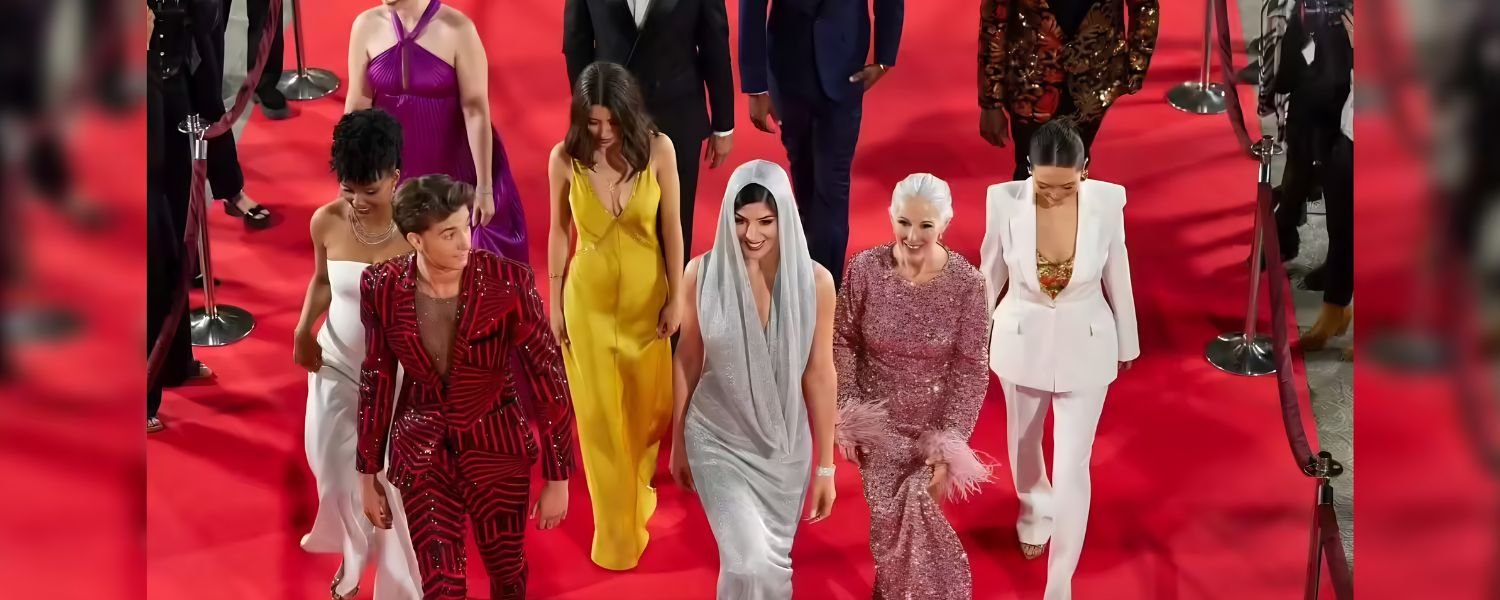
The theme “Costume Art” emphasizes fashion as a medium of artistic expression rather than just clothing. It highlights how garments can tell stories, represent historical narratives, and reflect cultural identities. This concept encourages designers to go beyond aesthetics and focus on meaning and symbolism.
By merging theatrical elements with couture, the theme pushes boundaries and invites bold experimentation. It also acknowledges the importance of costume design in shaping visual culture, especially in film, theater, and performance art. This year’s focus is expected to inspire looks that are dramatic, conceptual, and deeply rooted in artistic traditions.
Historical Context of Costume in Fashion
Costume has long played a significant role in shaping fashion trends. From royal attire in historical courts to theatrical costumes in opera and cinema, these elements have influenced modern design in subtle yet powerful ways. The Met Gala 2026 theme revisits this connection by drawing attention to how costume has evolved into a form of high art.
Designers are expected to reinterpret historical garments with a modern twist, blending past influences with contemporary techniques. This approach not only honors tradition but also opens new possibilities for innovation in fashion design, making the event a bridge between history and the future.
Designers and Creative Interpretations
One of the most exciting aspects of the Met Gala is how designers interpret the theme. In 2026, fashion houses are expected to present collections that blur the line between wearable art and artistic installations. Designers may incorporate unconventional materials, exaggerated silhouettes, and intricate detailing to create visually striking pieces.
The theme allows for limitless creativity, encouraging designers to experiment with textures, colors, and forms. This year’s interpretations are likely to reflect diverse cultural influences, showcasing how costume art can transcend geographical boundaries and connect global audiences through shared artistic expression.
Celebrity Participation and Influence
Celebrities play a crucial role in bringing the Met Gala theme to life. Their red carpet appearances often become defining moments that shape public perception of the event. In 2026, stars are expected to collaborate closely with designers to create looks that embody the essence of costume art.
These outfits are not just fashion statements but narratives that reflect personal identity and artistic vision. Social media amplification further extends their impact, making these looks accessible to a global audience. The influence of celebrity fashion at the Met Gala often trickles down to mainstream trends, shaping consumer preferences in the months that follow.
Cultural Significance of the Theme
The “Costume Art” theme carries deeper cultural implications, highlighting the role of fashion in representing identity and heritage. It encourages designers and attendees to draw inspiration from diverse cultural traditions while maintaining authenticity and respect.
This focus on cultural storytelling aligns with broader conversations about inclusivity and representation in the fashion industry. By celebrating costume as art, the Met Gala 2026 aims to elevate voices and narratives that have historically been overlooked. The event serves as a platform for dialogue, fostering a greater appreciation for the cultural richness embedded in fashion.
Impact on Global Fashion Trends
The Met Gala is known for setting trends that influence the fashion industry worldwide. The 2026 theme is expected to inspire a shift towards more expressive and artistic styles. Elements such as dramatic silhouettes, intricate embellishments, and conceptual designs may become more prominent in both high fashion and streetwear.
Designers and brands are likely to incorporate storytelling into their collections, creating pieces that resonate on a deeper level with consumers. This trend reflects a growing demand for fashion that goes beyond functionality, offering emotional and cultural value to the wearer.
Role of the Metropolitan Museum of Art
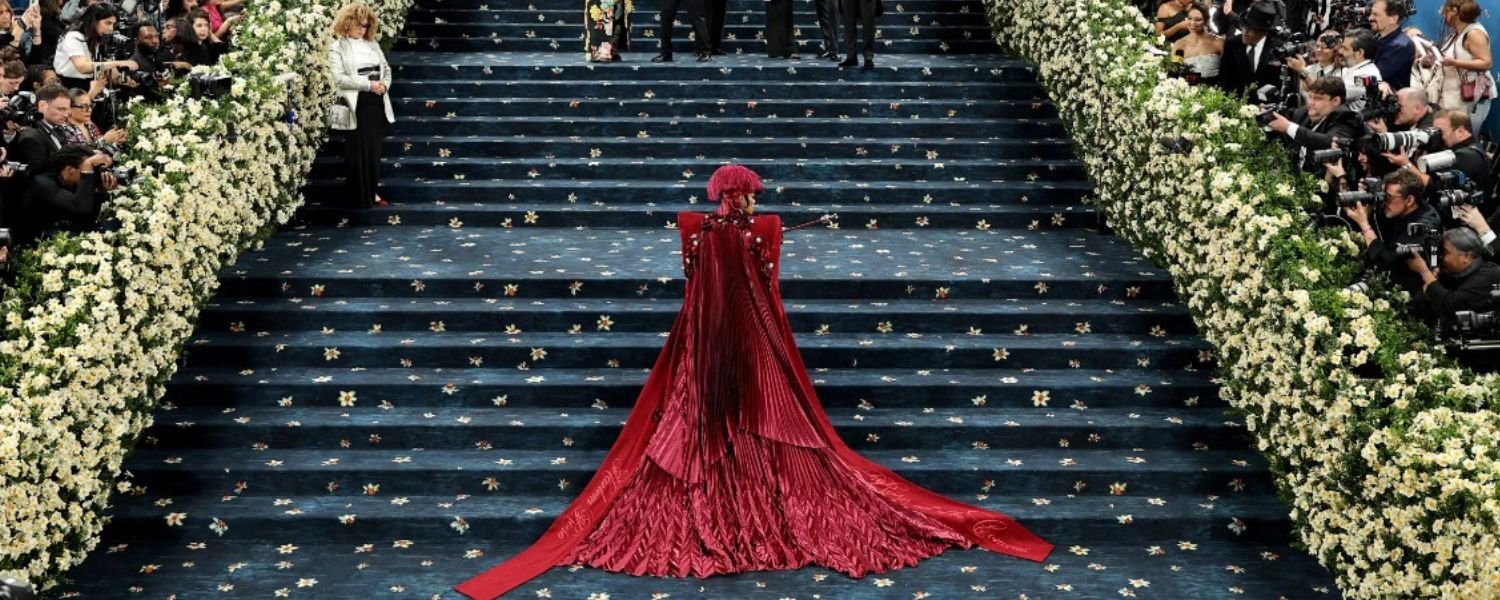
The Metropolitan Museum of Art plays a central role in shaping the Met Gala theme and its interpretation. The Costume Institute’s annual exhibition serves as the foundation for the event, providing historical and artistic context. In 2026, the exhibition is expected to showcase a diverse range of costumes from different eras and cultures, highlighting their artistic significance.
This educational aspect adds depth to the event, transforming it into more than just a glamorous gathering. It reinforces the idea that fashion is an integral part of cultural heritage and artistic expression.
Media Coverage and Public Engagement
Media coverage of the Met Gala amplifies its impact, turning it into a global spectacle. In 2026, digital platforms are expected to play an even greater role in shaping public engagement. Live streams, social media updates, and behind the scenes content provide audiences with unprecedented access to the event.
This level of engagement allows fashion enthusiasts to participate in the conversation, sharing their interpretations and reactions. The widespread coverage also highlights the evolving relationship between fashion and media, where storytelling and visual content drive audience interest and engagement.
Economic and Industry Implications
The Met Gala also has significant economic implications for the fashion industry. It serves as a platform for designers to showcase their work to a global audience, attracting potential clients and collaborators. The event generates substantial media value, boosting brand visibility and influencing market trends.
In 2026, the focus on costume art may lead to increased demand for bespoke and handcrafted fashion. This shift could encourage investment in craftsmanship and innovation, supporting the growth of niche segments within the industry. The economic ripple effect of the event extends beyond fashion, impacting related sectors such as media and entertainment.
Conclusion
The Met Gala 2026 theme “Costume Art” represents a bold step towards redefining fashion as a form of artistic expression. By emphasizing storytelling, cultural representation, and creative experimentation, the event continues to push the boundaries of what fashion can achieve.
It brings together designers, celebrities, and audiences in a shared celebration of art and creativity. As the world watches, the Met Gala once again proves its ability to influence trends, spark conversations, and inspire innovation. This year’s theme is not just about what is worn but about the stories that clothing can tell.
For more latest news, in-depth stories, and trending insights from around the world, keep visiting WikiWala and stay connected to what truly matters every day.
Disclaimer
This article is for informational and editorial purposes only. The content is based on publicly available information and current trends in the fashion industry. It does not claim official confirmation from event organizers. Readers are encouraged to verify details from official sources. Opinions expressed are analytical and do not represent any organization or entity associated with the Met Gala.
Sources
Vogue
The Met
BBC Fashion
Business of Fashion

.webp)