The Organization of the Petroleum Exporting Countries (OPEC) has long served as a central force in shaping global oil markets through coordinated production policies. Established in 1960, the alliance includes major oil-producing nations that collectively influence crude supply and pricing. Its decisions often affect inflation, energy security, and geopolitical stability.
Recent developments, including signals of internal disagreements, have intensified scrutiny on OPEC’s relevance. Analysts note that changing energy demands and shifting alliances are challenging its traditional role, particularly as global markets move toward diversification and renewable energy alternatives.
UAE Exit Sparks Strategic Concerns
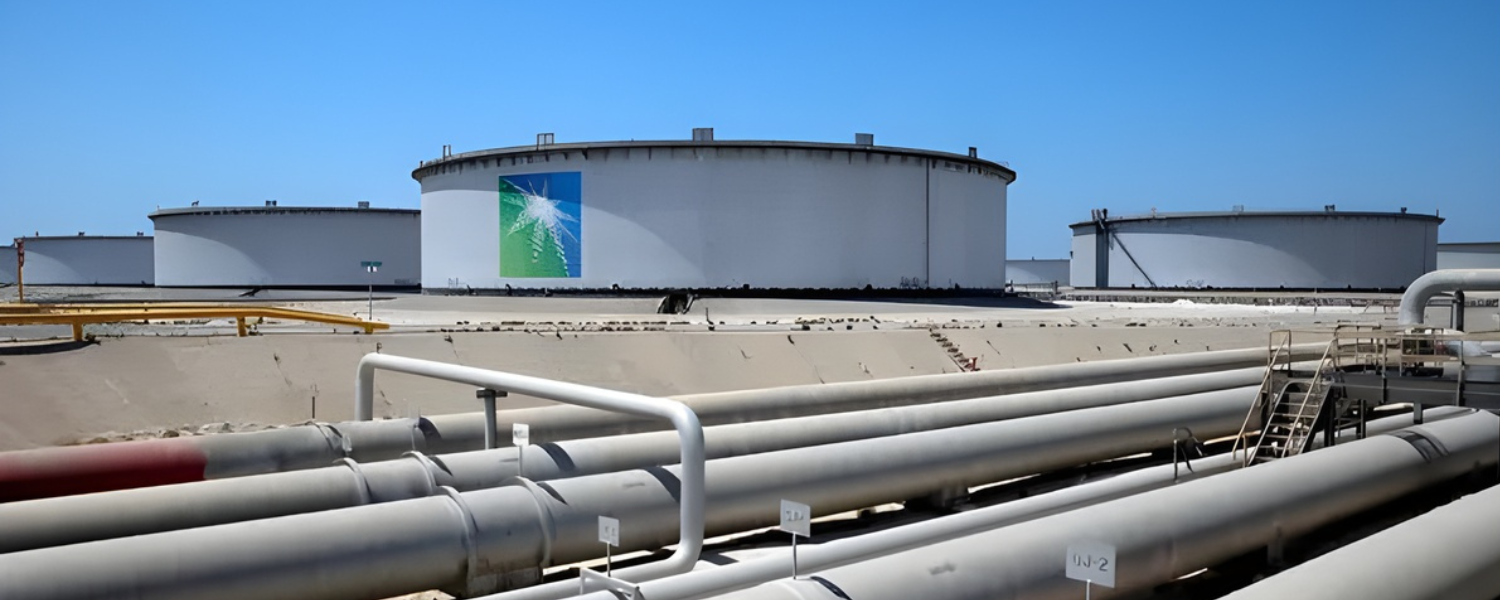
The United Arab Emirates’ decision to step away from OPEC frameworks has triggered widespread debate among economists and policymakers. The move reflects growing dissatisfaction with production quotas and strategic direction. Reports from sources like Reuters and CNN indicate that the UAE seeks greater autonomy in expanding its oil output capacity.
This decision underscores internal tensions among member states, especially those balancing economic growth with collective agreements. Experts argue that such exits could weaken OPEC’s negotiating power and reshape global oil supply dynamics in the coming years.
Historical Context of OPEC Alliances
OPEC has historically maintained cohesion through shared economic interests and coordinated responses to market disruptions. From the oil embargo of the 1970s to production cuts during global recessions, the organization has demonstrated its ability to influence prices.
However, internal disagreements have surfaced periodically, often driven by differing national priorities. Countries with larger reserves and production capabilities sometimes clash with smaller members over quota allocations. According to The New York Times, such tensions are not new but have intensified in recent years due to evolving global energy demands and technological advancements.
Impact on Global Oil Prices
The UAE’s exit has immediate implications for global oil prices, which are highly sensitive to supply signals. Markets reacted with volatility following the announcement, reflecting uncertainty about future production levels. Analysts from Bloomberg suggest that reduced cohesion within OPEC could lead to increased competition among producers, potentially driving prices downward.
Conversely, some experts argue that reduced coordination may lead to supply constraints, pushing prices upward. The outcome largely depends on how remaining members adjust their strategies and whether new alliances emerge to stabilize market expectations.
OPEC Plus and External Partnerships
OPEC’s collaboration with non-member countries, known as OPEC+, has been crucial in maintaining market balance. Key partners like Russia have played a significant role in coordinating production cuts. The UAE’s departure raises questions about the future of these partnerships. If more members reconsider their participation, the effectiveness of OPEC+ could diminish.
Insights from Financial Times highlight concerns that geopolitical tensions and economic pressures may strain these alliances further. Maintaining cooperation among diverse nations remains a critical challenge for the organization moving forward.
Economic Motivations Behind the Decision
The UAE’s move is largely driven by economic ambitions to maximize oil production and revenue. With significant investments in infrastructure and capacity expansion, the country aims to capitalize on its resources independently. Limiting output under OPEC quotas may hinder such growth strategies. According to World Bank data, oil revenues remain a key contributor to national economies in the region.
By exiting, the UAE seeks flexibility to respond to market opportunities without constraints. This decision reflects broader trends where national interests increasingly take precedence over collective agreements.
Geopolitical Implications of OPEC Tensions

The weakening of OPEC unity carries broader geopolitical implications. Oil production decisions often intersect with international relations, influencing trade agreements and diplomatic ties. The UAE’s exit could encourage other nations to reassess their positions, potentially leading to fragmentation.
Reports from Al Jazeera indicate that regional rivalries and strategic alignments may intensify as countries pursue independent policies. Such shifts could alter power dynamics in the Middle East and beyond, affecting global energy security and economic stability in unpredictable ways.
Transition to Renewable Energy Pressures
Global transition toward renewable energy sources is another factor influencing OPEC’s challenges. As countries invest in solar, wind, and alternative fuels, reliance on oil is gradually decreasing. This shift reduces the long-term influence of oil-producing alliances. Data from International Energy Agency suggests that demand growth for fossil fuels may slow significantly in the coming decades.
For OPEC members, balancing current revenues with future sustainability goals presents a complex dilemma. The UAE’s move may signal a strategic pivot toward diversified economic models beyond oil dependence.
Market Reactions and Investor Sentiment
Investor sentiment has been notably affected by the uncertainty surrounding OPEC’s stability. Stock markets and energy sector investments often respond quickly to such developments. Analysts observe increased caution among investors, with some shifting focus toward renewable energy companies.
Insights from CNBC highlight that volatility in oil markets can influence broader financial systems, including currency values and inflation rates. The UAE’s decision has added another layer of unpredictability, prompting stakeholders to reassess risk and adjust investment strategies accordingly.
Future of OPEC and Strategic Adaptation
OPEC faces a critical juncture where adaptation is essential for survival. The organization may need to revise its policies, enhance transparency, and accommodate diverse member interests to remain relevant. Experts suggest that embracing flexibility and fostering stronger collaboration could help mitigate internal conflicts.
According to IMF, global economic shifts require institutions like OPEC to evolve continuously. Failure to adapt could result in diminished influence and reduced ability to shape energy markets. The coming years will determine whether OPEC can maintain its position or gradually lose its dominance.
Expert Perspectives on Long Term Outcomes
Energy experts offer varied opinions on the long-term consequences of the UAE’s exit. Some believe it marks the beginning of a gradual decline in OPEC’s influence, while others argue that the organization will adapt and remain significant.
Academic research from Harvard Business Review emphasizes the importance of strategic flexibility in maintaining relevance. The ability to balance cooperation with individual member interests will be crucial. Regardless of the outcome, the current developments highlight the evolving nature of global energy governance and the need for innovative approaches.
Conclusion and Key Takeaways
The UAE’s departure from OPEC frameworks represents a significant shift in the global oil landscape. It underscores growing tensions within the alliance and highlights the challenges of maintaining unity in a rapidly changing energy environment. While immediate impacts include market volatility and strategic uncertainty, long-term consequences will depend on how OPEC adapts.
The situation reflects broader trends of economic diversification and geopolitical realignment. As the energy sector evolves, OPEC’s ability to remain influential will be tested, making this a pivotal moment in its history.
For more latest news, in-depth stories, and trending insights from around the world, keep visiting WikiWala and stay connected to what truly matters every day.
Sources
Disclaimer
This article is based on currently available reports and publicly accessible information. Details may evolve as legal proceedings continue. Readers should verify updates from official sources.

.webp)