In the heart of Ayodhya, a town with a river flowing gently and ancient songs in the air, there’s something special – the Ram Mandir.
This place has a long story filled with faith, debates, and a deep connection to India’s culture. Let’s take a journey together to discover the tale of the Ram Mandir, from where it began to its importance in today’s world.
Let’s step into the heart of Ayodhya, a special place where a big story unfolds – the story of the Ram Mandir.
This temple isn’t just a building; it’s a symbol of belief, a part of some arguments, and an essential piece of India’s history and culture.
Join us as we dig into the tale of the Ram Mandir in Ayodhya, discovering why it’s more than just a place of worship.
Right in the middle of Ayodhya is the Ram Mandir, a place where people have been coming to pray for a very long time.
It’s not just a building; it’s like a lighthouse for faith, guiding generations with the sound of prayers and devotion.
The Ram Mandir in Ayodhya is where belief becomes something you can see and feel.
In this blog, we will dive into each part of the Ram Mandir’s story – from why it’s a special place for belief to the debates that have shaped it and how it has become an essential piece of India’s cultural puzzle.
The Ram Mandir in Ayodhya is more than just a building; it’s a living story that connects beliefs, debates, and the rich heritage of India.
Join us on this journey to uncover the tale of the Ram Mandir in Ayodhya and discover why it stands as a unique symbol in the heart of Ayodhya.
1. Ayodhya’s Special Place: The Start of the Story

a) Ayodhya’s Olden Days
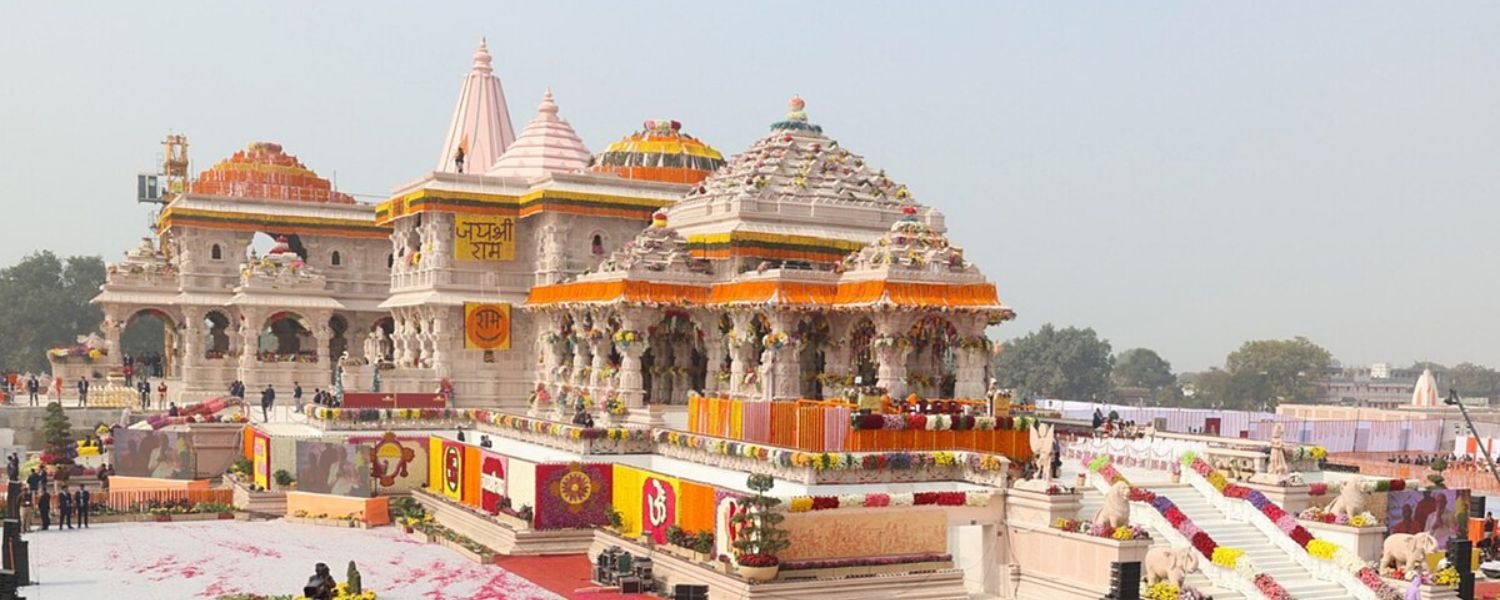
To understand why it is so important, we must go back to Ayodhya’s ancient times. This town, where Lord Rama is said to have been born, is like a treasure chest of stories from old scriptures. Ayodhya’s ancient identity is like the stage where the Ram Mandir’s story unfolds.
b) How Ram Mandir in Ayodhya grew
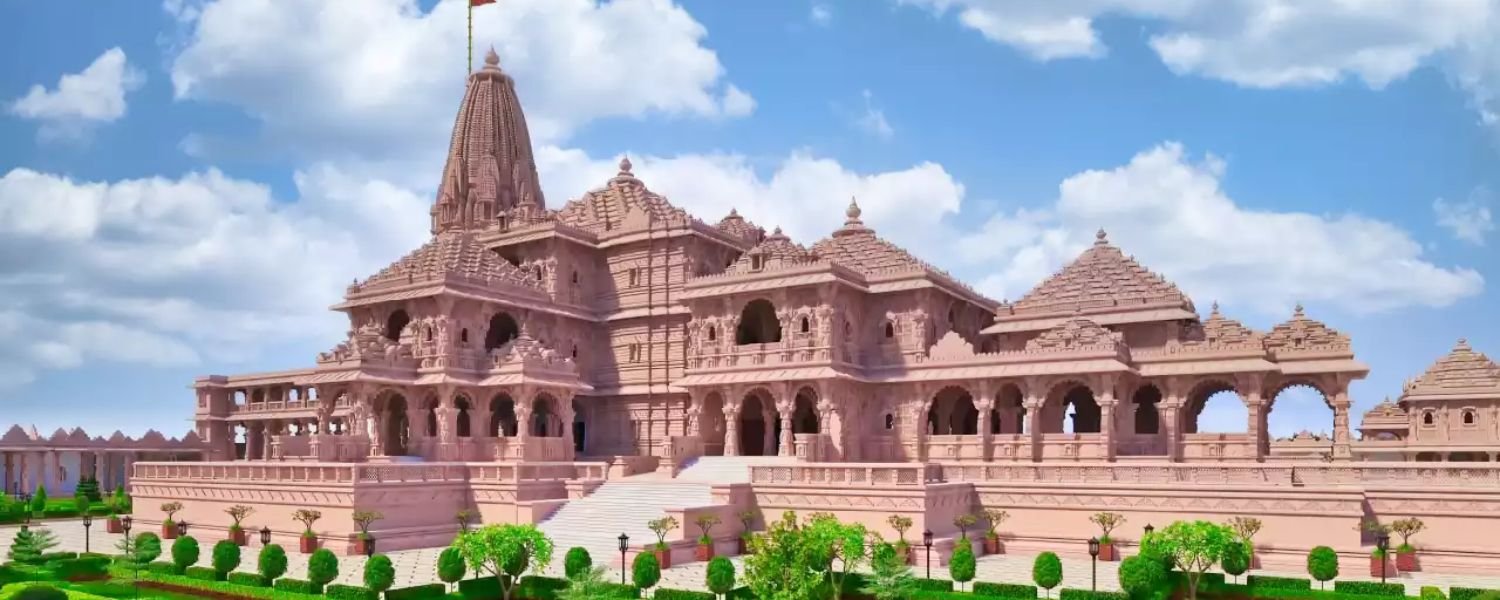
As Ayodhya changed over time, so did the Ram Mandir. It started as a simple place of worship and grew into the grand temple we see today. Every stone and carving in the temple tells a story that went down from era to era.
2. The Time of Confusion: What Happened with Babri Masjid
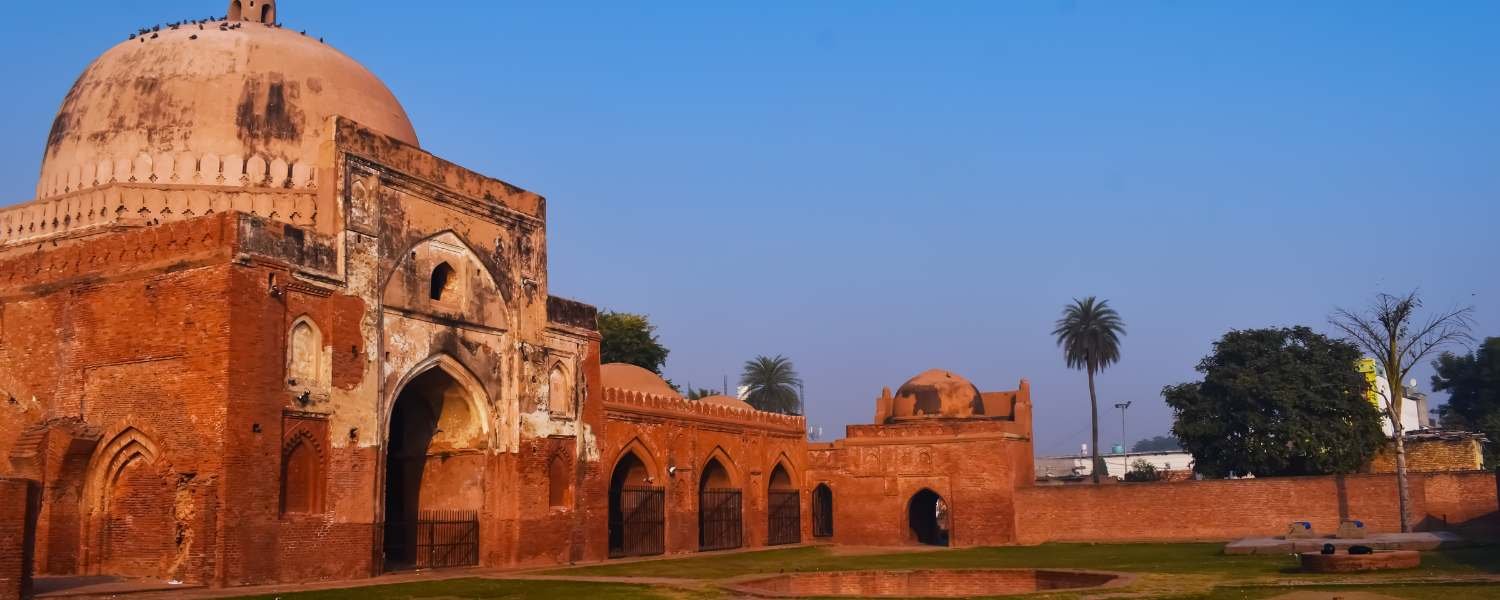
a) The Babri Masjid Episode
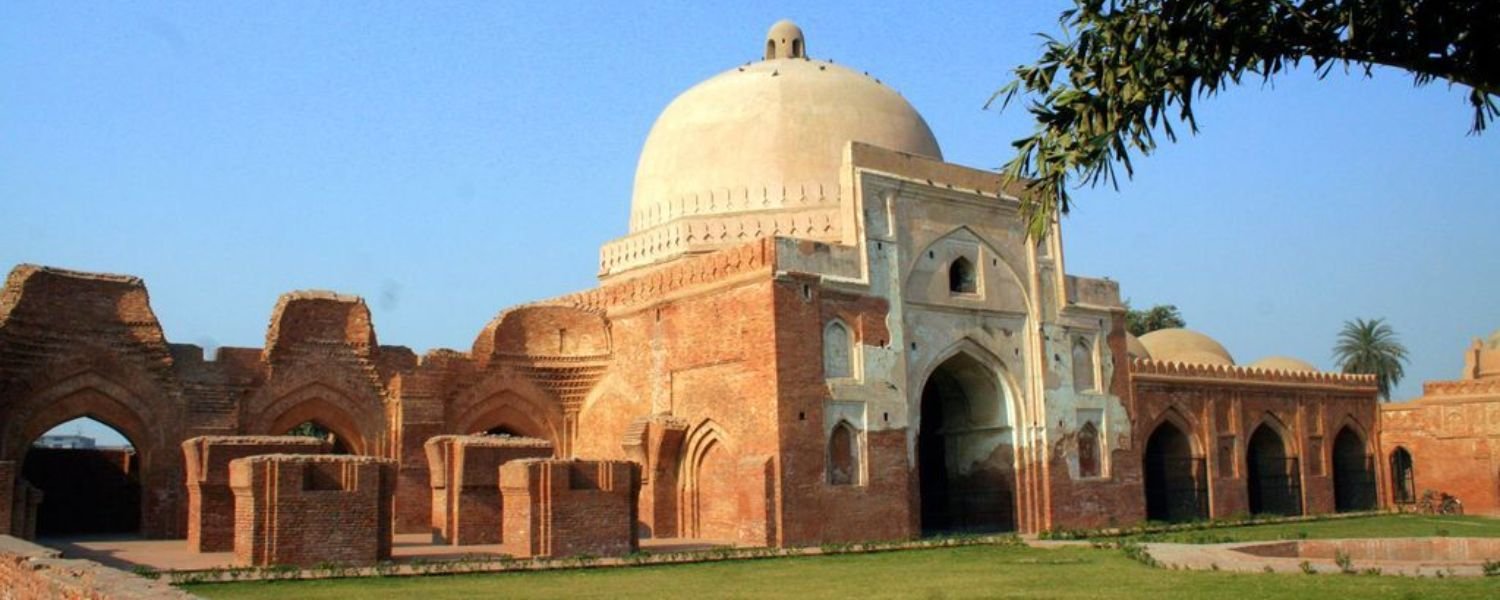
A complicated part of the Ram Mandir story is the Babri Masjid episode. Next to the temple, the mosque became the center of a significant disagreement. The events leading to the mosque’s demolition in 1992 are like a puzzle involving politics, society, and history.
b) Arguments about Land and Courts
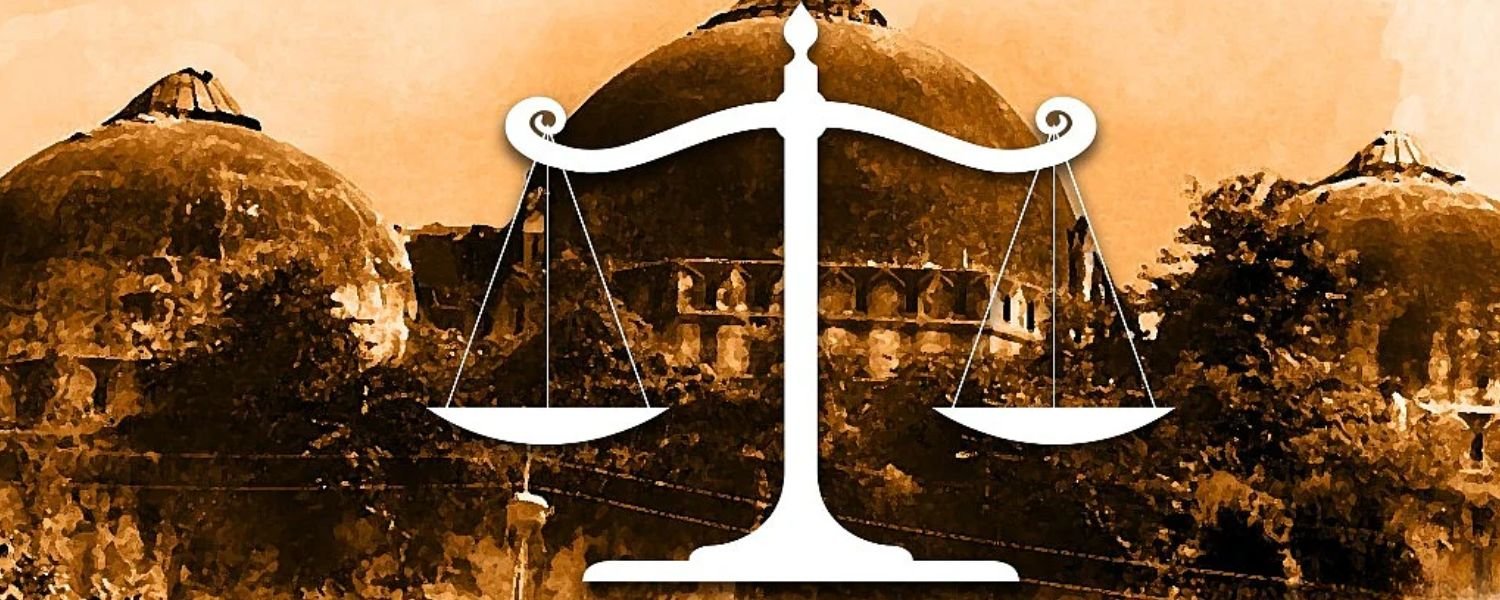
Once the people removed the mosque, people started arguing about who should have the land. The courts had to figure out who had the right to it. This legal stuff was a big deal in deciding what would happen to the Ram Mandir.
Today’s Wonder: How Ram Mandir in Ayodhya Looks and Feels
c) Looking at the Beautiful Design
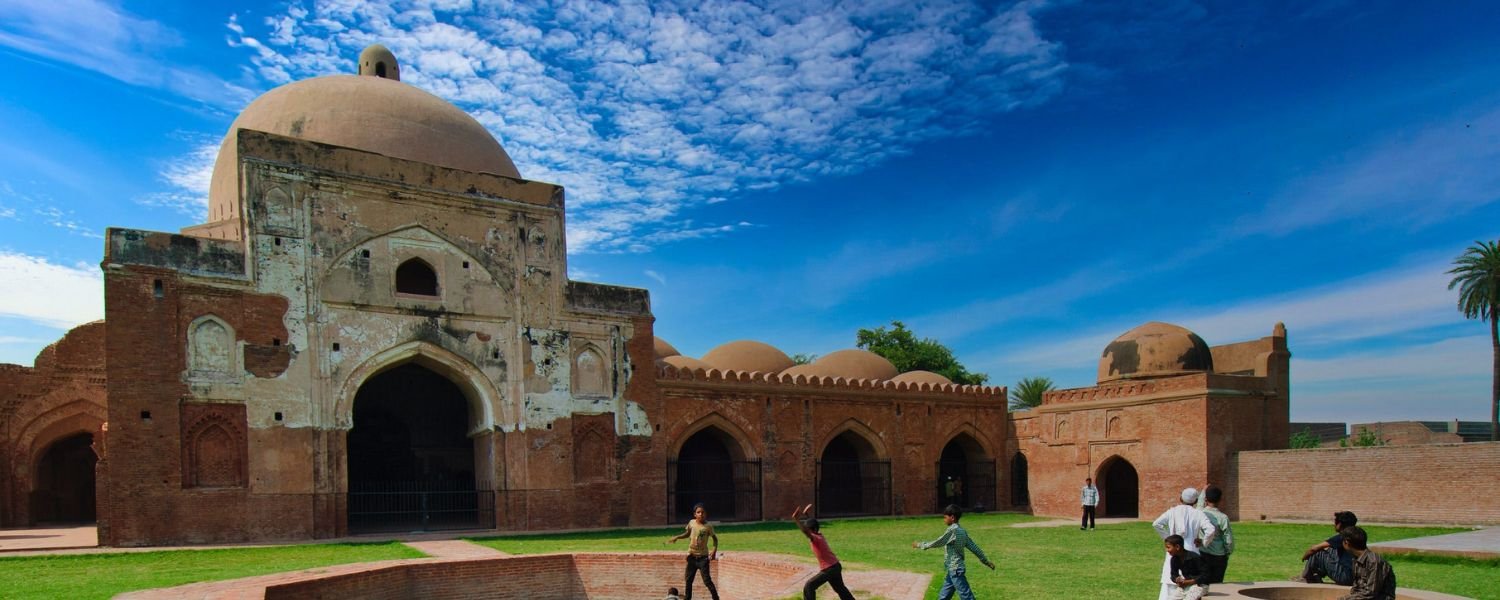
The Ram Mandir in Ayodhya we see today is a wonder of architecture. Every part of the temple is a work of art, from tall spires to detailed carvings. Exploring these details gives us a closer look at the temple’s beauty.
d) What It Means Spiritually
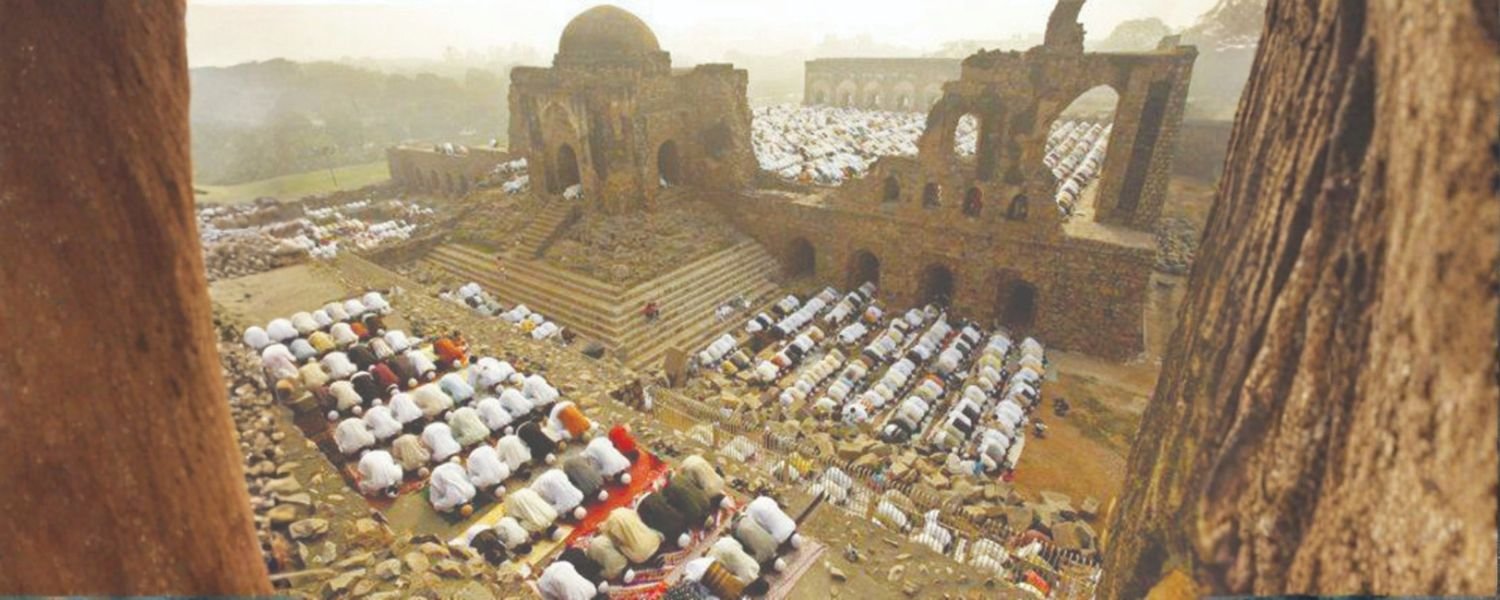
But the Ram Mandir in Ayodhya is more than just what it looks like. It’s also a place of deep spiritual meaning. People come here to pray, celebrate festivals, and feel a connection to something greater. Understanding this spiritual side helps us see why the temple is so important to those who visit.
3. Ram Mandir’s Impact on People: Everyone Coming Together
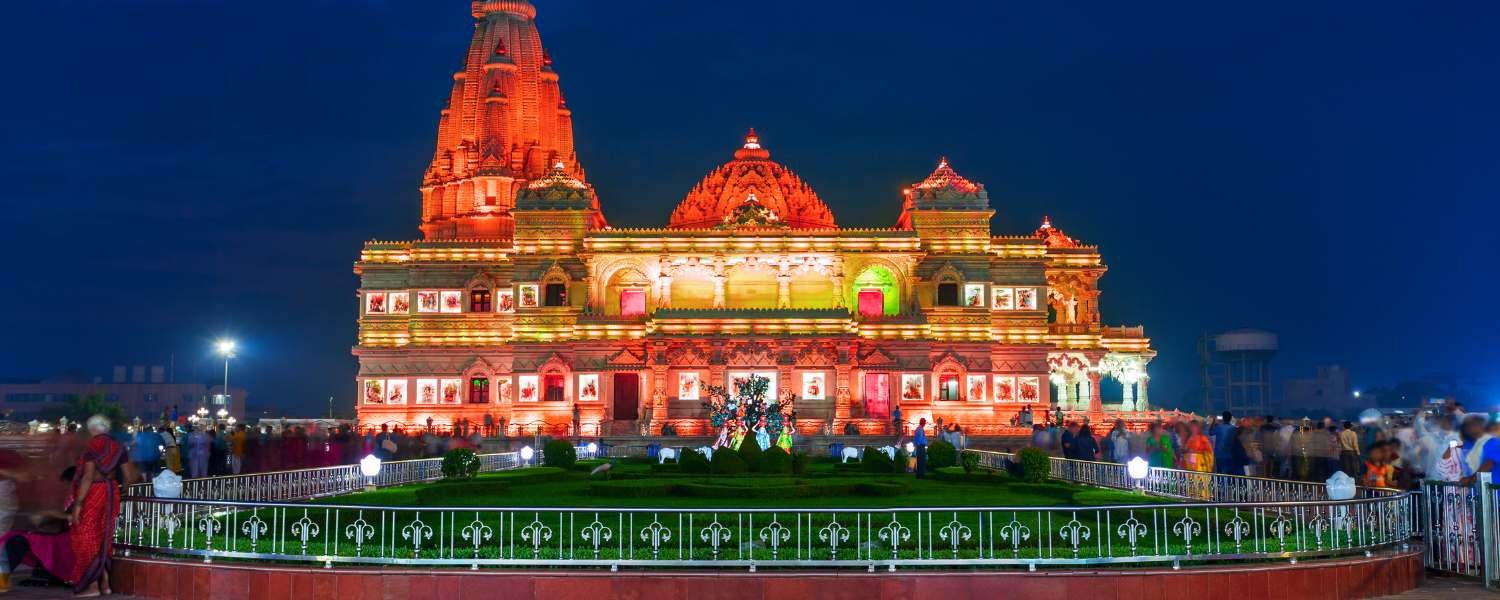
a) Part of India’s Culture
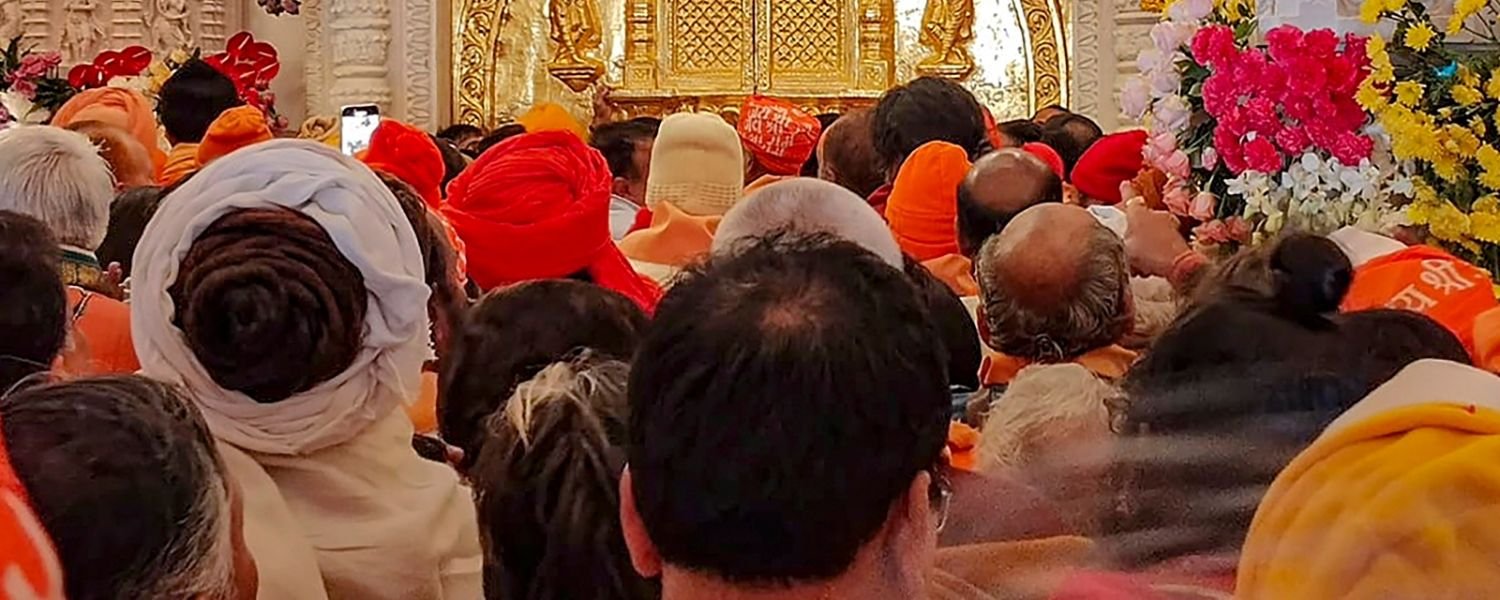
The Ram Mandir in Ayodhya is more than just a religious place; it’s part of India’s culture. The festivals, traditions, and rituals connected to the temple make it a vibrant part of Indian culture. Ayodhya has become a place where people from different backgrounds celebrate together.
b) Unity and Friendship
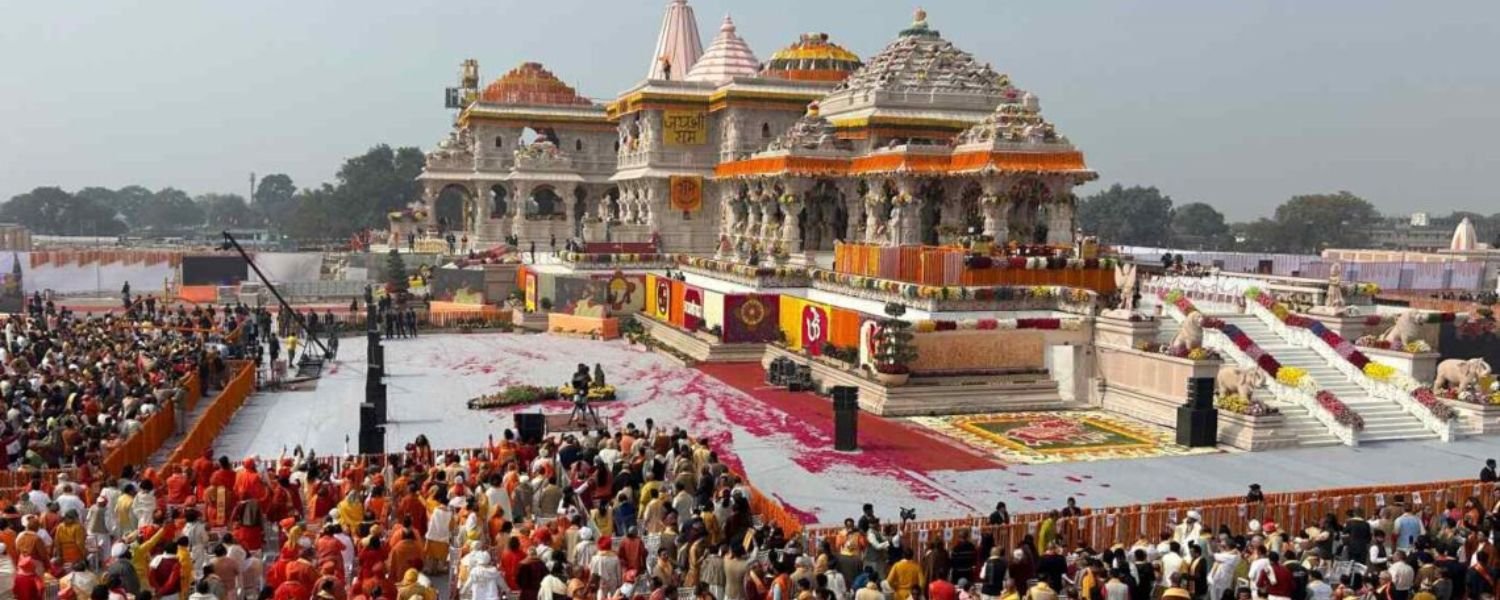
In a surprising twist, the Ram Mandir in Ayodhya symbolizes unity. People with different backgrounds find common ground around the temple, showing that friendship and respect can be stronger than disagreements.
Conclusion: Ram Mandir – A Hopeful Tale of Heritage
The Ram Mandir is not just a temple in the historic town of Ayodhya, wherein the old stories and traditions flow through the river. It is a symbol of religion, solidarity, and the common tradition of millions of individuals.
Generations of people have been identifying with the Ram Mandir in Ayodhya. It has silently been able to watch time fly by and the loyalty of the many visitors who visit it with reverence and faith.
The path of the temple has not been smooth all the way. Disputes and difficulties became its history at some point. Nevertheless, the temple remained firm to remind people that religion and patience usually help societies through hard times.
The Ram Mandir nowadays is a place that is also a place of celebration and culture. The festivals unite people of various backgrounds in a lively environment full of tradition and happiness.
The temple, in most aspects, depicts the ethos of unity. On the one hand, visitors arrive all over the nation and internationally, spending time in prayer, contemplation, and bonding.
In the future, hope is also expressed in the Ram Mandir in Ayodhya. It makes people remember that it is important to know, value, and keep cultural heritage to be used by the new generations.
With the conclusion of this quest as the tale, the Ram Mandir is still not just a historic site. It still evokes faith, solidarity, and belongingness to all the people who come or recollect its history.
For more Religious-related blogs, subscribe to us now!

.webp)