Why Telegram Got Banned?
The primary cause of the Telegram Ban is the organized use of the site by cheating syndicates to deceive applicants. It also created widespread fear prior to the crucial NEET-UG 2026 re-examination.
The NTA claims that the prohibition is a preventative measure against sophisticated financial fraud and engineered misinformation. It is not a reaction to a recent, active paper leak.
In order to gain access to alleged exam materials, rogue channels were actively extorting nervous parents and students. Rogue channels going by names like “PAPER LEAKED NEET” and “REE NEET MAFIAA” were actively extorting nervous parents and students, asking amounts ranging from thousands to lakhs of rupees. break into short sentences
The Digital Debate : Digital Liberty v/s Exam integrity
Telegram Ban has caused division in the legal, academic, and tech sectors.It has also raised important proportionality-related constitutional issues.
Administrative officials and institutional directors, like Manindra Agrawal of IIT Kanpur, contend that drastic measures are required to protect public order. They also contend that these measures are needed to protect millions of student homes from psychological pain brought on by manufactured hoaxes.
On the other hand, cybersecurity experts and digital rights organizations condemn the general prohibition as an awkward, reactive “band-aid solution.” Paper leaks start inside in the physical printing and shipping chain, according to groups like the Internet Freedom Foundation (IFF). They contend that focusing on downstream distribution channels is insufficient to protect the core infrastructure.
The Loophole Exploited: Explaining “Timestamp Fraud”
How Timestamp Fraud Works
1. Scammers post a dummy file or harmless PDF before the exam.
2. After the exam, they replace the file with the actual question paper using the edit feature.
3. The old timestamp remains visible, making it look like the paper was leaked earlier.
4. When shared further, the edited label may not be clearly noticed by ordinary users.
Timestamp fraud on Telegram works by misusing the platform’s file-editing feature. Scammers may first post a harmless PDF days before an exam, then replace it with the actual question paper after the exam is already public. Since the original timestamp remains unchanged, it can falsely appear as if the paper was leaked earlier. This creates panic, spreads misinformation, and weakens public trust in the exam process.
The NEET leak Paper Connection
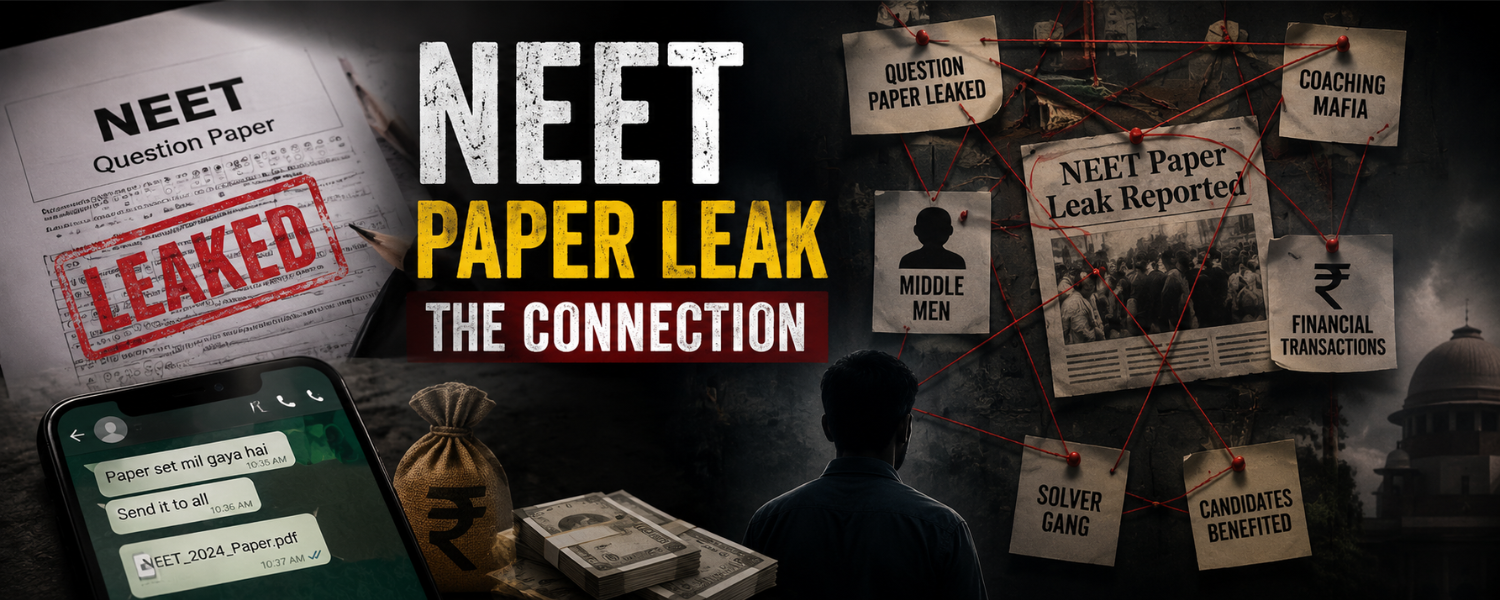
NEET is the gateway to medical education for millions of students in India. Following concerns over question paper leaks and cheating attempts,authorities claimed that certain Telegram channels were being used to distribute fake and leaked exam material,creating confusion among candidates potentially compromising the fairness of the examination process.
NTA issued a Press Release regarding the action on Telegram platform in India.Officials said they introduced the temporary restriction as a precautionary measure before the NEET re-examination to prevent further misuse of the platform.
Latest updates
Since the government’s quick directive, the digital world has changed dramatically. Legal Challenges – Telegram has formally challenged the countrywide suspension before the Delhi High Court. A blanket block, according to the platform, is an overreach. The Central Government has received a formal notice from the High Court requesting an official response.
Following the government order, Google reportedly removed Telegram from the Indian Play Store. Apple was also expected to take similar action. The temporary block was set to end on June 22, 2026, after the June 21 retest.
However, until June 30, 2026, Telegram is required by a different rule to completely block its message-editing feature for Indian users until June 30 2026, to prevent post exam fabrication.Prior Warnings NTA Director-General Abhishek Singh revealed that officials had previously met with Telegram executives to request system modifications—such as making edited timestamps highly visible and introducing stricter group-naming filters—but the platform failed to implement the changes in time.
Impact on Users
- The restriction affected many genuine Telegram users in India, especially students.
- Many NEET candidates use Telegram for study groups, doubt-solving, free notes, and exam updates.
- Students who cannot afford paid coaching may lose access to helpful learning resources.
- While the aim is to stop criminal activity, a blanket restriction can also disturb regular users.
- Illegal activity may simply move to other platforms, making it harder to track.
- A better approach is to target misuse directly without affecting students and genuine users.
Effect on Users
- Communication Disruptions : Individuals and organizations that rely on telegram for messaging and collaboration may experience difficulties accessing groups, channels and shared content.
- Business Challenges : Many businesses use telegram to connect with customers , provide updates and manage communities. Restrictions disrupt these communication channels and impact customer engagement.
- Incraesed Interest in Alternative Platforms: As discussions continue, some users exploring alternative mesaging applications for communication and community management.
What Happens Next
The matter has already reached the courts. The courts are now questioning whether the restriction was justified.Authorities maintain that they introduced the move to protect students and preserve the integrity of the examination process. Telegram argues that broad restrictions unfairly affect ordinary users.
What Should Users Do?
- Follow official updates from trusted sources.
- Avoid sharing unverified exam-related information.
- Back up important files and documents.
- Use alternative communication platforms when needed.
- Do not pay anyone for leaked or unofficial exam material.
Conclusion
Telegram’s brief suspension highlights how digital restrictions can affect public trust and access to information. While protecting exams like NEET-UG is important, complete platform bans may impact genuine users and raise digital rights concerns. A better approach is stronger coordination between tech platforms and authorities, along with fixing gaps in the exam system.
Disclaimer
This article is based on publicly available information, news reports, and official statements available at the time of writing. This content is for informational purposes only. Readers should not treat it as legal, educational, or government advice. Readers should check official announcements from the National Testing Agency, Ministry of Education and relevant authorities for latest updates.
References

.webp)