Recent reports indicate that Wren Kitchens, a major player in the home improvement retail sector, has entered Chapter 7 bankruptcy proceedings in the United States. This development has left customers and employees seeking clarity about pending orders, warranties, and job security. Chapter 7 bankruptcy typically involves liquidation rather than restructuring, signaling a more severe financial collapse. Early reactions from affected stakeholders suggest widespread confusion and financial concern, particularly among customers who had already invested significant amounts in kitchen remodeling projects.
Understanding Chapter 7 Bankruptcy and Its Implications
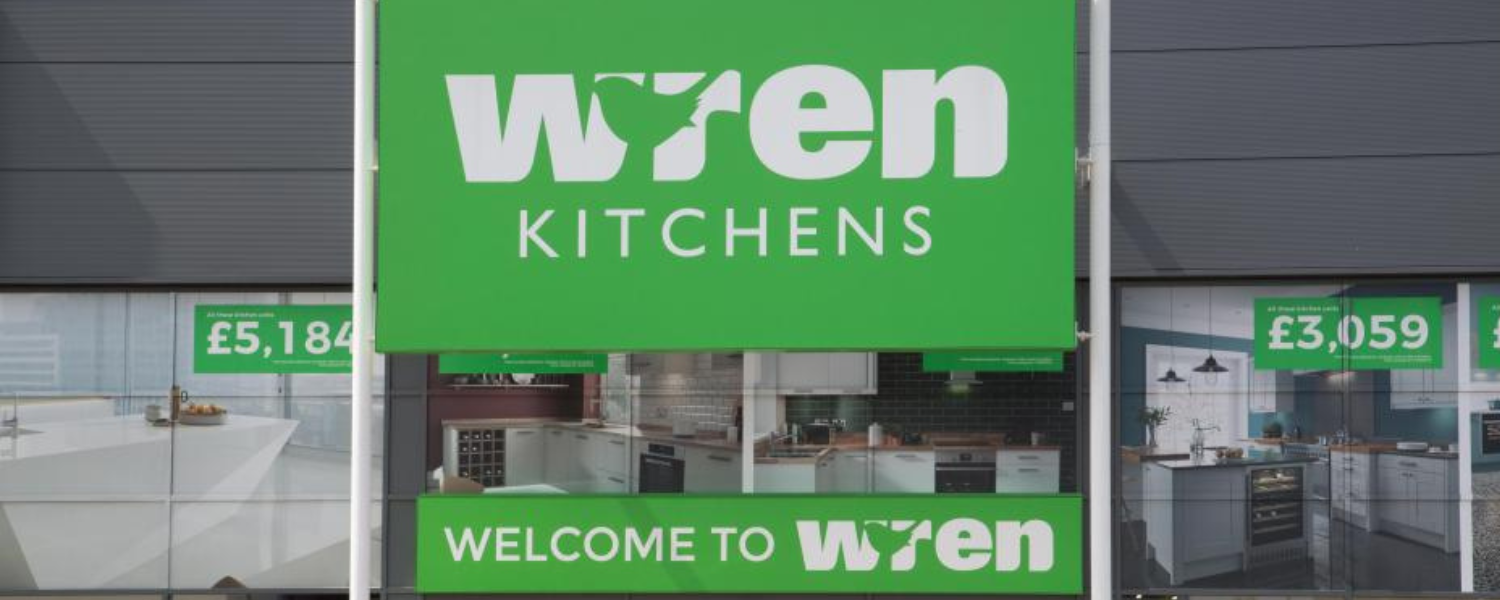
Chapter 7 bankruptcy is a legal process that allows companies to liquidate their assets to repay creditors. Unlike Chapter 11, which focuses on restructuring, Chapter 7 results in business closure. According to U.S. Courts Bankruptcy Basics, assets are sold, and proceeds are distributed based on creditor priority. For Wren Kitchens, this means retail locations may shut down permanently. Customers awaiting installations or refunds could face delays or losses, depending on their position in the creditor hierarchy and the availability of recoverable funds.
Timeline Leading to the Financial Collapse
The events leading to the Chapter 7 filing appear to have unfolded rapidly. Reports from New York Post and NBC Connecticut suggest that financial instability had been building for months. Operational costs, supply chain disruptions, and declining consumer demand contributed to mounting liabilities. The sudden closure of stores caught customers off guard, many of whom were in the middle of renovation projects. Employees also reported limited prior notice, raising questions about internal transparency and crisis management strategies within the company.
Customer Impact and Financial Exposure
Customers are among the most directly affected by the bankruptcy filing. Many had prepaid for kitchen installations, cabinetry, and design services. With the company entering liquidation, these orders are now uncertain. Some customers have reported losses running into thousands of dollars. Consumer protection agencies advise affected individuals to document transactions and file claims promptly. According to Consumer Financial Protection Bureau, unsecured creditors often recover only a fraction of their claims, making it critical for customers to act quickly and explore chargeback options through financial institutions.
Employee Fallout and Workforce Concerns
The Chapter 7 filing has also impacted employees across retail locations and corporate offices. Sudden layoffs have left many workers without severance or immediate job prospects. Labor experts note that Chapter 7 proceedings often prioritize secured creditors over employee compensation. Reports indicate that some staff members learned about closures through internal communications shortly before operations ceased. This has raised concerns about corporate responsibility and labor protections. Workforce displacement at this scale may also affect local economies, particularly in regions where Wren Kitchens maintained a significant presence.
Industry-Wide Repercussions in Home Improvement Retail
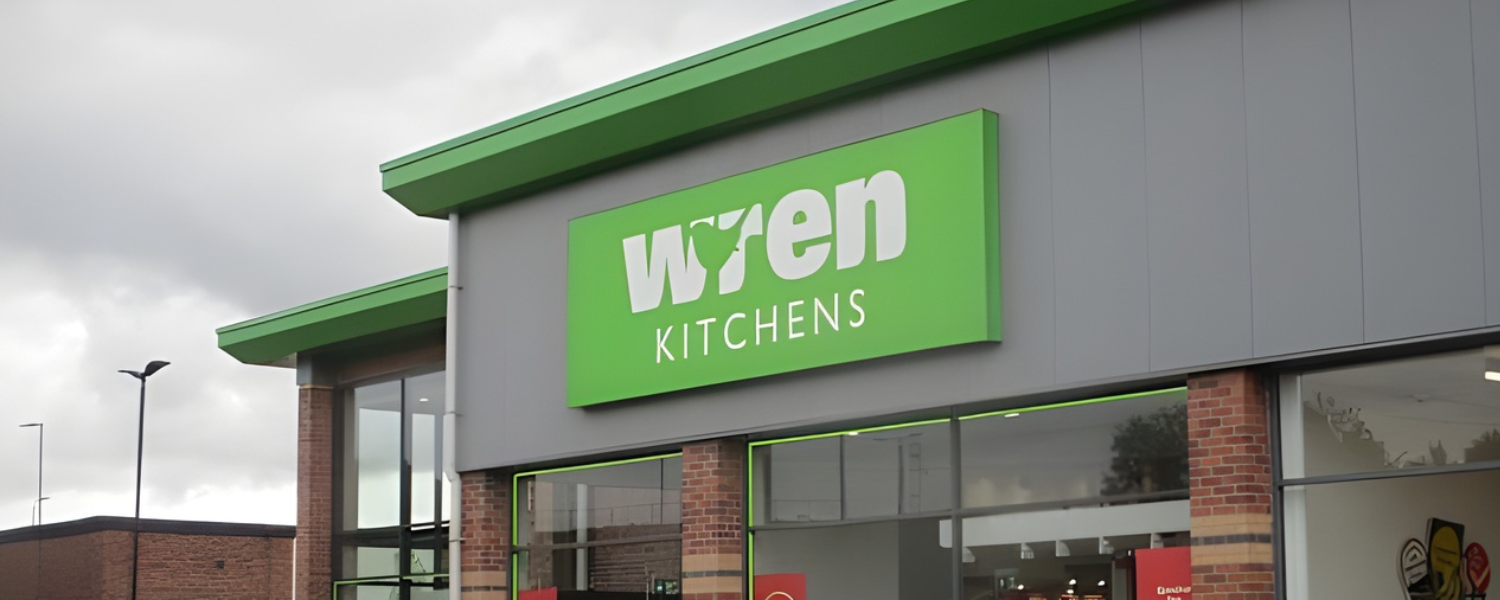
The collapse of Wren Kitchens is expected to have ripple effects across the home improvement sector. Competitors may experience short-term gains as displaced customers seek alternative providers. However, the situation also highlights broader vulnerabilities in the industry, including dependence on global supply chains and fluctuating consumer demand. Analysts referenced by Forbes suggest that mid-sized retailers are particularly susceptible to economic downturns. The bankruptcy could prompt increased scrutiny of financial stability among similar companies and influence investor confidence in the sector.
Legal Proceedings and Creditor Prioritization
As the Chapter 7 process unfolds, legal proceedings will determine how assets are distributed. Secured creditors, such as banks and lenders, are typically prioritized over unsecured parties like customers and vendors. Court-appointed trustees will oversee the liquidation of inventory, equipment, and real estate assets. According to American Bankruptcy Institute, this process can take several months or longer, depending on the complexity of the case. Customers and suppliers must file claims within specified deadlines to be considered for any potential recovery.
Consumer Protection and Recovery Options
Affected customers are advised to explore available recovery mechanisms. Credit card users may be eligible for chargebacks if payments were made recently. Insurance policies or third-party financing agreements could also provide limited protection. Legal experts recommend consulting consumer rights organizations or legal counsel for guidance. Resources such as USA.gov Consumer Complaints offer assistance in filing formal grievances. While full recovery is unlikely in many cases, proactive steps can improve the chances of partial reimbursement or dispute resolution.
Corporate Accountability and Transparency Questions
The sudden nature of the Chapter 7 filing has raised questions about corporate governance and transparency. Critics argue that earlier disclosure of financial distress could have allowed customers and employees to make informed decisions. Regulatory bodies may investigate whether proper reporting standards were followed. Transparency in financial health is critical in maintaining consumer trust, particularly in high-value industries like home improvement. The Wren Kitchens case may serve as a precedent for stricter oversight and disclosure requirements in the retail sector.
Market Response and Competitor Positioning
Competitors in the kitchen and home improvement market are already responding to the situation. Some companies have launched targeted campaigns to attract affected customers, offering discounts or expedited services. While this may provide relief to consumers, it also underscores the competitive nature of the industry. Market analysts suggest that larger, financially stable firms are likely to consolidate their positions. The exit of Wren Kitchens from the U.S. market could lead to increased market share for established players and reshape competitive dynamics in the coming months.
Future Outlook for the Brand and Assets
Although Chapter 7 typically signals the end of operations, there remains a possibility that certain assets or brand elements could be acquired by other companies. Intellectual property, design catalogs, and customer databases may hold value for competitors or investors. However, the likelihood of a full brand revival is minimal under liquidation proceedings. Industry observers will monitor asset sales closely to assess potential acquisitions. Any such developments could influence how remaining customers are served and whether partial continuity of services is possible.
Conclusion and Ongoing Developments
The Wren Kitchens Chapter 7 filing represents a significant disruption in the home improvement retail landscape. Customers, employees, and industry stakeholders are navigating uncertainty as legal proceedings unfold. While immediate impacts are evident, long-term consequences will depend on asset distribution, market adjustments, and regulatory responses. Stakeholders are advised to stay informed through credible sources and take necessary actions to protect their interests. As the situation evolves, further updates are expected to clarify the extent of financial recovery and industry implications.
For more latest news, in-depth stories, and trending insights from around the world, keep visiting WikiWala and stay connected to what truly matters every day.
Sources
Disclaimer
This article is based on currently available reports and publicly accessible information. Details may evolve as legal proceedings continue. Readers should verify updates from official sources.

.webp)