In a fresh display of heightened military alertness, fighter jets from the NATO were scrambled to intercept Russian military aircraft flying over the Baltic Sea. The incident has once again drawn global attention to the fragile security environment in Northern Europe. While such interceptions are often described as routine, the increasing frequency of these encounters reflects rising geopolitical tensions. The development comes amid the ongoing Russia-Ukraine War, which continues to influence military strategies and regional stability.
Interception Over International Waters
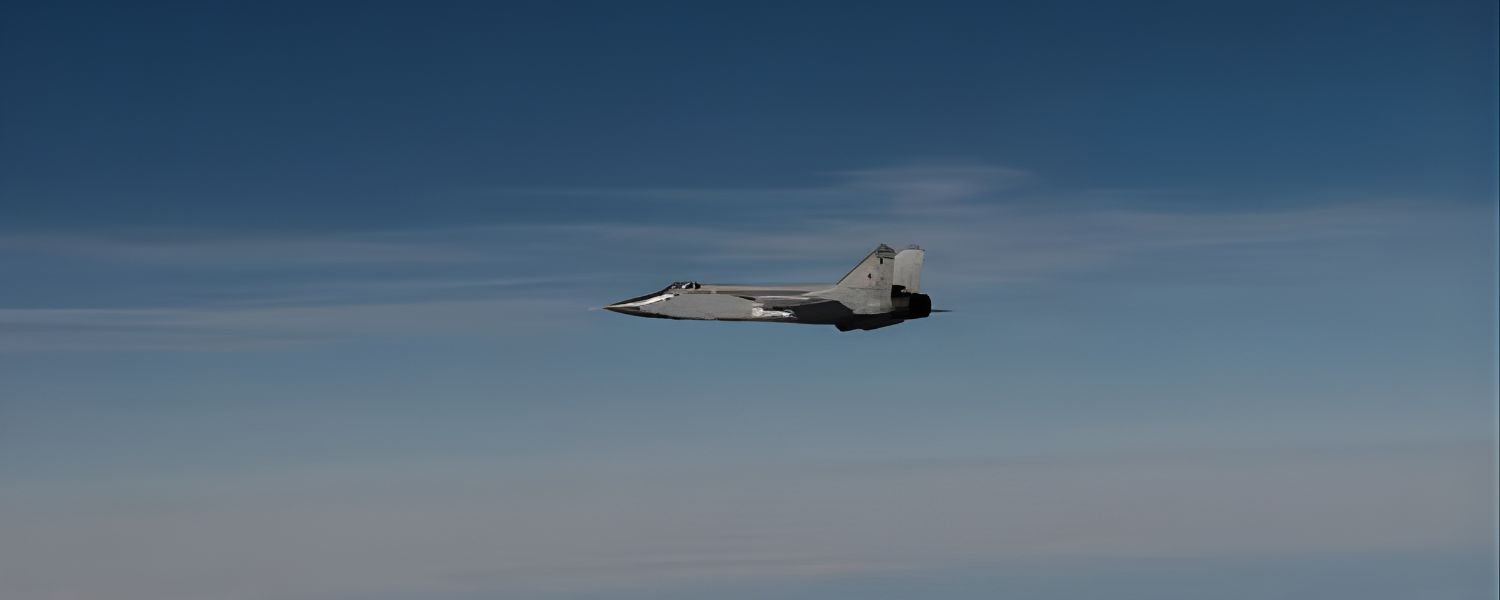
The interception took place over international waters after NATO radar systems detected multiple unidentified aircraft approaching sensitive areas near allied airspace. Within minutes, fighter jets were deployed under the Baltic Air Policing mission to identify and escort the aircraft. NATO follows strict protocols in such situations to ensure both security and aviation safety. These rapid responses are designed to prevent any potential miscalculations or violations of airspace. Although the Russian aircraft did not cross into NATO territory, their proximity was enough to trigger a coordinated defensive reaction.
NATO’s Rapid Response Mechanism
NATO’s ability to respond quickly to aerial activity is a result of its well-coordinated defense infrastructure. Fighter jets stationed in the Baltic region remain on constant standby, ready to be deployed at a moment’s notice. This quick reaction capability ensures that any unidentified or potentially risky aircraft are intercepted promptly. The alliance maintains advanced radar systems and surveillance networks that monitor airspace continuously. These systems provide real-time data, enabling pilots and command centers to act swiftly. Such readiness is a cornerstone of NATO’s broader deterrence strategy in Europe.
Role of French Rafale Jets
French Rafale fighter jets played a leading role in the interception, operating from Lithuania’s Šiauliai Air Base. These aircraft are part of NATO’s rotational deployment, where member countries contribute forces to maintain regional security. The Rafale jets are known for their versatility and advanced combat capabilities, making them ideal for air policing missions. Their deployment highlights France’s commitment to NATO’s collective defense efforts. Pilots operating these jets follow strict engagement protocols, ensuring that interceptions remain controlled and professional while maintaining a strong defensive posture.
Composition of the Russian Formation
Reports indicate that the Russian formation included Tu-22M3 long-range bombers, supported by advanced fighter aircraft such as Su-30 and Su-35 jets. These aircraft are capable of carrying out a wide range of missions, from reconnaissance to strategic strikes. While the flight remained within international airspace, its scale and composition drew attention from NATO forces. Such formations are often seen as demonstrations of military capability. The presence of multiple aircraft types suggests a coordinated operation, reinforcing the perception of strategic signaling by Russia in the region.
Russia’s Official Statement

Russia’s Ministry of Defense confirmed the flight and described it as a routine, pre-planned mission conducted in accordance with international law. Officials stated that the aircraft followed established routes and did not violate any sovereign airspace. Moscow emphasized that such flights are a regular part of its military training exercises. However, NATO officials remain cautious, pointing out that Russian aircraft sometimes operate without transponders or fail to communicate with civilian air traffic control. These practices can increase risks, particularly in busy air corridors shared with commercial flights.
Baltic Air Policing Mission Explained
The Baltic Air Policing mission is a long-standing NATO initiative launched in 2004 to protect the airspace of Estonia, Latvia, and Lithuania. These countries do not have full-scale air defense systems, making NATO’s support essential. Under this mission, allied nations rotate their fighter jets through bases in the region, ensuring continuous coverage. The mission has gained greater importance in recent years due to increased military activity near NATO borders. It serves as both a defensive measure and a visible demonstration of alliance solidarity and readiness.
Increasing Frequency of Interceptions
The latest incident is part of a broader trend of rising aerial encounters between NATO and Russian forces. In recent months, NATO jets have been scrambled multiple times to intercept Russian aircraft near Baltic airspace. This increase reflects heightened military activity and growing tensions in the region. Each interception is handled professionally, but the frequency of such events raises concerns among defense analysts. Repeated encounters increase the chances of miscommunication or accidental escalation, making careful coordination and adherence to protocols more important than ever.
Strategic Importance of the Baltic Region
The Baltic region holds immense strategic value due to its geographic location and proximity to key NATO and Russian territories. It borders several NATO member states, making it a critical area for alliance defense planning. At the same time, Russia maintains a strong military presence in Kaliningrad, adding to the region’s complexity. The narrow airspace and high level of military activity create a sensitive environment where even minor incidents can escalate quickly. As a result, the Baltic Sea remains a focal point of geopolitical tension and strategic competition.
NATO’s Deterrence Strategy
NATO’s actions in the Baltic region are part of its broader deterrence strategy aimed at preventing potential conflicts. By maintaining a strong and visible military presence, the alliance seeks to discourage any aggressive actions. Interceptions are not meant to provoke but to ensure that all activities near NATO airspace are monitored closely. This approach combines readiness with restraint, allowing NATO to respond effectively without escalating tensions unnecessarily. The alliance continues to invest in defense capabilities and cooperation among member states to strengthen its overall security framework.
Role of Sweden and Finland
The inclusion of Sweden and Finland in NATO has significantly altered the security landscape of the Baltic region. Both countries bring advanced military capabilities and strategic advantages, enhancing NATO’s ability to respond to threats. Their participation in air policing and surveillance operations strengthens coordination among allied forces. This expanded presence also increases NATO’s reach and effectiveness in monitoring the region. However, it has also contributed to heightened tensions with Russia, which views NATO’s expansion as a challenge to its strategic interests.
Risks of Escalation
While interceptions are routine, they carry inherent risks. Close encounters between military aircraft can lead to misunderstandings or accidents, particularly if communication is limited. The increasing frequency of such incidents raises concerns about the potential for escalation. Defense experts emphasize the importance of maintaining clear communication channels and adhering to international aviation norms. Both NATO and Russia have a shared responsibility to ensure that their actions do not inadvertently trigger a larger conflict. Managing these risks remains a key challenge in the current geopolitical climate.
Global Context and Implications
The Baltic interception must be viewed within the broader context of global geopolitical tensions. The ongoing conflict in Ukraine, along with shifting alliances and security concerns, has reshaped military strategies worldwide. NATO continues to strengthen its eastern defenses, while Russia seeks to assert its presence in strategic regions. These developments reflect a larger competition for influence and security. The Baltic Sea, due to its location and significance, has become a key area where this competition plays out, making it a region of global importance.
Conclusion
The interception of Russian military aircraft over the Baltic Sea highlights the ongoing tensions between NATO and Russia. While both sides describe their actions as routine, the increasing frequency of such encounters underscores a more complex security environment. NATO’s rapid response demonstrates its commitment to protecting allied airspace, while Russia’s continued flights signal its strategic intentions. As geopolitical dynamics continue to evolve, the Baltic region will remain a critical area of focus. Maintaining stability will require a careful balance of military readiness and diplomatic engagement.
Disclaimer
This article is intended for informational and journalistic purposes only. It is based on publicly available reports and does not promote or support any political or military stance. Readers are encouraged to verify information through official and credible sources.
For more latest news, in-depth stories, and trending insights from around the world, keep visiting WikiWala and stay connected to what truly matters every day.
Sources

.webp)