The hot dog and soda combination sold by Costco has become one of the most recognizable value offerings in global retail. For decades, the company has maintained a consistent approach to pricing and menu simplicity.
This strategy reflects its broader business model, which focuses on customer loyalty through affordability and reliability. The food court, though a small part of overall operations, plays a critical role in shaping customer perception. As a result, the hot dog combo continues to function as both a product and a long-term branding tool.
What Defines the Hot Dog Combo Offering
The Costco hot dog combo typically consists of a quarter-pound beef hot dog served with a refillable soft drink. This straightforward combination is designed for efficiency and consistency across locations.
Analysts often compare this model to cost leadership strategies, where companies aim to offer the lowest price while maintaining acceptable quality. Costco achieves this by controlling production and limiting menu variations. The result is a standardized product that customers can rely on, regardless of the warehouse they visit.
Global Variations in Combo Options
While the standard hot dog combo remains consistent, Costco introduces minor regional variations in international markets. Some locations offer alternative proteins or localized beverages to meet cultural preferences. These adaptations are part of a broader global localization strategy, which balances standardization with flexibility.
Despite these changes, the core offering remains largely unchanged. The beef hot dog continues to dominate sales, reflecting its strong association with the brand and its role as a universal value item within Costco’s food court ecosystem.
Pricing Strategy and Consumer Psychology
Costco’s decision to maintain a fixed price for its hot dog combo has attracted significant attention in business circles. This approach reinforces a perception of consistency and trust among consumers. Research in pricing behavior suggests that stable pricing can influence customer satisfaction and repeat purchases.
By avoiding frequent price adjustments, Costco positions itself as a dependable retailer. The hot dog combo thus serves not only as a meal option but also as a psychological anchor that strengthens brand loyalty over time.
Supply Chain Control Behind the Product
One of the key factors enabling Costco to maintain its pricing is its control over supply chains. The company operates its own meat production facilities, reducing reliance on external vendors. This vertical integration ensures both quality and cost efficiency.
Experts in supply chain management highlight that such strategies help companies mitigate risks associated with market fluctuations. Costco’s model demonstrates how operational control can support long-term pricing stability, even during periods of inflation or supply disruption.
Menu Simplicity and Operational Efficiency
Costco’s food court operates with a deliberately limited menu, which enhances efficiency and reduces operational complexity. The hot dog combo is central to this approach, requiring minimal preparation time and standardized ingredients.
Studies on business simplicity suggest that fewer options can lead to faster service and improved customer satisfaction. By focusing on a small number of high-demand items, Costco ensures consistent quality while maintaining low operational costs, reinforcing the overall value proposition of its food court.
Comparison With Traditional Fast Food Combos
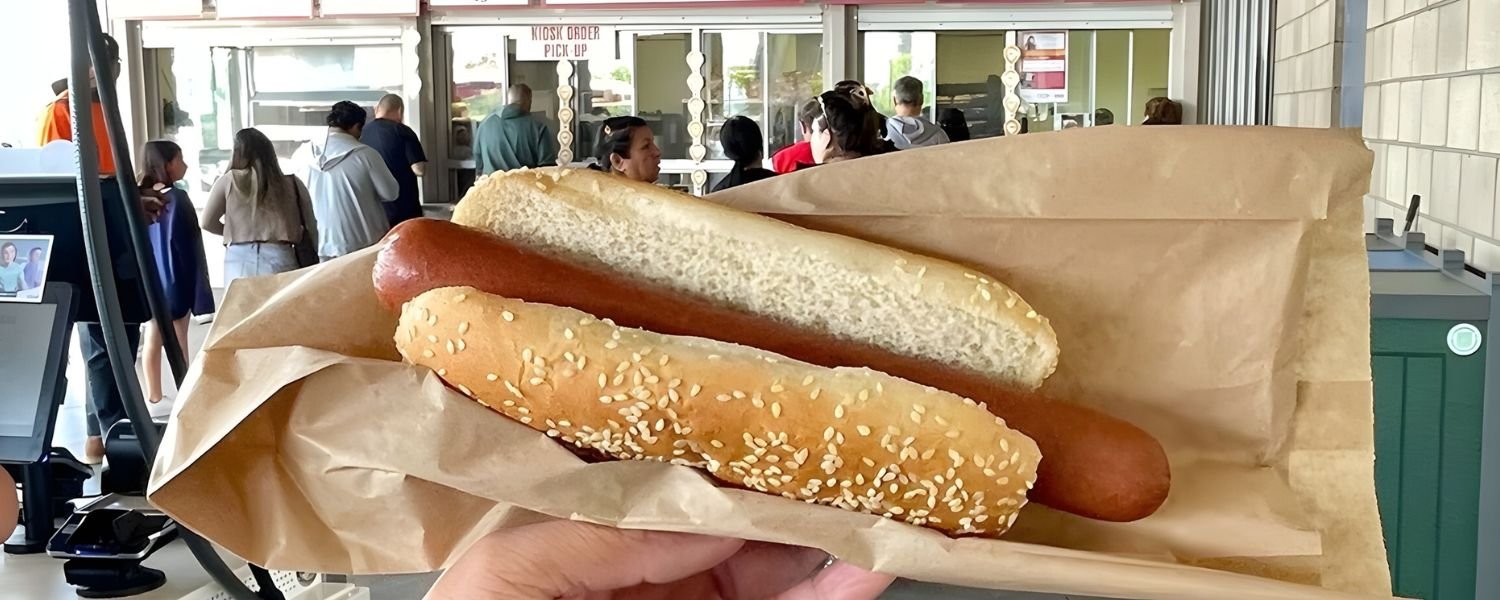
When compared with traditional fast food offerings, Costco’s hot dog combo stands out for its simplicity and pricing. Many quick-service restaurants rely on frequent menu updates and promotional pricing strategies. In contrast, Costco maintains a stable offering with minimal changes.
This difference reflects contrasting business priorities. While fast food chains focus on innovation and variety, Costco emphasizes consistency and value. As a result, the hot dog combo appeals to customers seeking reliability rather than novelty, making it a unique competitor in the broader food service market.
Consumer Demand and Brand Loyalty
The continued popularity of the hot dog combo highlights strong consumer demand and loyalty. Many customers view the item as an essential part of the Costco shopping experience. Behavioral research indicates that familiar products often drive repeat purchases.
The combo’s affordability and consistency contribute to positive associations with the brand. Over time, this loyalty extends beyond the food court, influencing overall shopping behavior. As a result, the hot dog combo plays a strategic role in reinforcing Costco’s reputation as a value-driven retailer.
Economic Implications of Fixed Pricing
Maintaining a fixed price in a changing economic environment presents both risks and opportunities. On one hand, rising costs can reduce profit margins. On the other, consistent pricing can attract more customers. Economists often describe this as a loss-leader strategy, where a low-priced item drives higher overall sales.
Costco’s approach demonstrates how a single product can influence broader consumer perception. The hot dog combo, therefore, serves as a strategic investment that supports long-term growth rather than immediate profitability.
Role of the Food Court in Retail Experience
The Costco food court is designed to enhance the overall shopping experience rather than function as a standalone business unit. By offering affordable meals, the company encourages longer store visits and increased spending. The hot dog combo is central to this strategy, providing a quick and reliable option for customers.
Retail experts note that such additions can improve customer satisfaction and retention. In Costco’s case, the food court contributes to a holistic retail environment where value and convenience are consistently emphasized.
Competitive Positioning in the Market
Costco’s hot dog combo occupies a distinct position within the competitive landscape of food service. Unlike traditional fast food chains, Costco does not rely on advertising or aggressive promotions. Instead, it leverages its reputation for value and consistency.
This approach aligns with its broader retail strategy, where customer trust is prioritized over short-term gains. The hot dog combo exemplifies this philosophy, serving as a stable and recognizable offering that differentiates Costco from its competitors in both retail and food service sectors.
Future Outlook for Combo Options
Looking ahead, industry analysts expect Costco to maintain its core hot dog combo while exploring limited innovations. Potential changes may include healthier alternatives or region-specific additions. However, any adjustments are likely to preserve the fundamental characteristics of the product.
The emphasis on affordability and consistency will remain central to its appeal. As consumer preferences evolve, Costco’s ability to balance tradition with innovation will determine the future trajectory of its food court offerings, including the iconic hot dog combo.
For more latest news, in-depth stories, and trending insights from around the world, keep visiting WikiWala and stay connected to what truly matters every day.
Sources
Disclaimer
This report is based on publicly available information and industry analysis at the time of writing. While efforts have been made to ensure accuracy, pricing, availability, and menu variations may change. Readers are advised to verify details through official sources before making decisions based on this content.

.webp)