Introduction
You lean in to give your baby a kiss and notice something unusual—their breath doesn’t smell quite as fresh as usual. If you’ve found yourself wondering, “Why does my baby have bad breath?”, you’re certainly not alone.
Bad breath in babies and toddlers can happen for several reasons. Sometimes, it is simply caused by milk or food residue left in the mouth. At other times, dry mouth, mouth breathing, teething, poor oral hygiene, dental problems, or an infection may be involved.
In most cases, occasional bad breath is not a cause for alarm. However, when the smell becomes persistent or appears alongside other symptoms, it is worth finding out what is causing it.
The good news is that establishing healthy oral-care habits early can go a long way towards preventing unpleasant breath and protecting your child’s developing teeth and gums.
In this guide, we’ll explore the common causes of baby bad breath, what you can do at home, how to prevent it, and when it is time to speak with a dental or healthcare professional.
What Causes Baby’s Bad Breath?
There are several possible explanations for bad breath in babies and toddlers. Understanding the cause can help you decide whether simple oral care is enough or whether your child needs professional attention.
Milk and Food Residue
For babies, milk can sometimes remain on the tongue, gums, or inside the cheeks after feeding. As your child begins eating solid foods, tiny food particles can also become trapped around the teeth and gums.
Naturally occurring bacteria in the mouth can break down these particles, which may result in an unpleasant smell.
This is one reason why oral hygiene matters even before your baby’s first tooth appears. Gently cleaning the gums can help remove residue and establish a healthy routine from an early age.
Inadequate Oral Hygiene
Once the first tooth arrives, plaque can begin accumulating on the teeth and around the gumline.
If plaque is not removed regularly, bacteria can contribute to bad breath and increase the risk of tooth decay and gum problems.
Young children are not able to brush effectively on their own, so parents should take an active role in their child’s oral care.
A consistent brushing routine, particularly before bedtime, is one of the simplest ways to keep your child’s mouth healthy.
Dry Mouth
Saliva is one of the mouth’s natural cleaning systems. It helps wash away food particles and keeps the oral environment balanced.
When the mouth becomes dry, bacteria and debris can build up more easily, potentially leading to unpleasant breath.
Babies and toddlers may experience dry mouth when they are unwell, dehydrated, or breathing through their mouths. If your child frequently seems to have a dry mouth, talk to a healthcare professional about the possible cause.
Mouth Breathing
Does your child regularly sleep with their mouth open?
Mouth breathing can dry the tissues inside the mouth, which may contribute to bad breath. It can happen temporarily when a child has a blocked nose or cold, but persistent mouth breathing may have other underlying causes.
If your child regularly breathes through their mouth, snores, or appears to struggle with nasal breathing, it is worth discussing these symptoms with a doctor or dentist.
Addressing the reason for the mouth breathing may also help resolve the associated bad breath.
Teething and Bad Breath
Teething is another stage when parents may notice changes in their baby’s mouth.
During teething, babies tend to drool more, chew on objects, and put their fingers or toys into their mouths. Their gums may also become tender or irritated.
These changes can sometimes make the mouth smell different. However, persistent or particularly strong bad breath should not automatically be attributed to teething.
If your baby has very swollen gums, mouth sores, fever, or difficulty eating, seek professional advice.
Tooth Decay and Gum Problems
Once your child has teeth, dental problems can also contribute to unpleasant breath.
Tooth decay and inflamed gums may be accompanied by other noticeable signs. Keep an eye out for:
- White, brown, or dark marks on the teeth
- Red or swollen gums
- Bleeding during brushing
- Sensitivity around a particular tooth
- Difficulty eating
- Signs of mouth pain
- Persistent unpleasant breath
If you notice these symptoms, a dental examination can help identify the problem before it becomes more serious.
Mouth and Throat Infections
Sometimes, bad breath is connected to an infection.
Throat infections such as tonsillitis can cause unpleasant breath along with symptoms such as fever, sore throat, swollen tonsils, or difficulty swallowing.
Oral thrush can also occur in babies and may appear as white patches inside the mouth that do not easily wipe away.
If your baby has signs of an infection, it is important to have them assessed rather than attempting to treat the smell itself.
When Should You Be Concerned About Baby’s Bad Breath?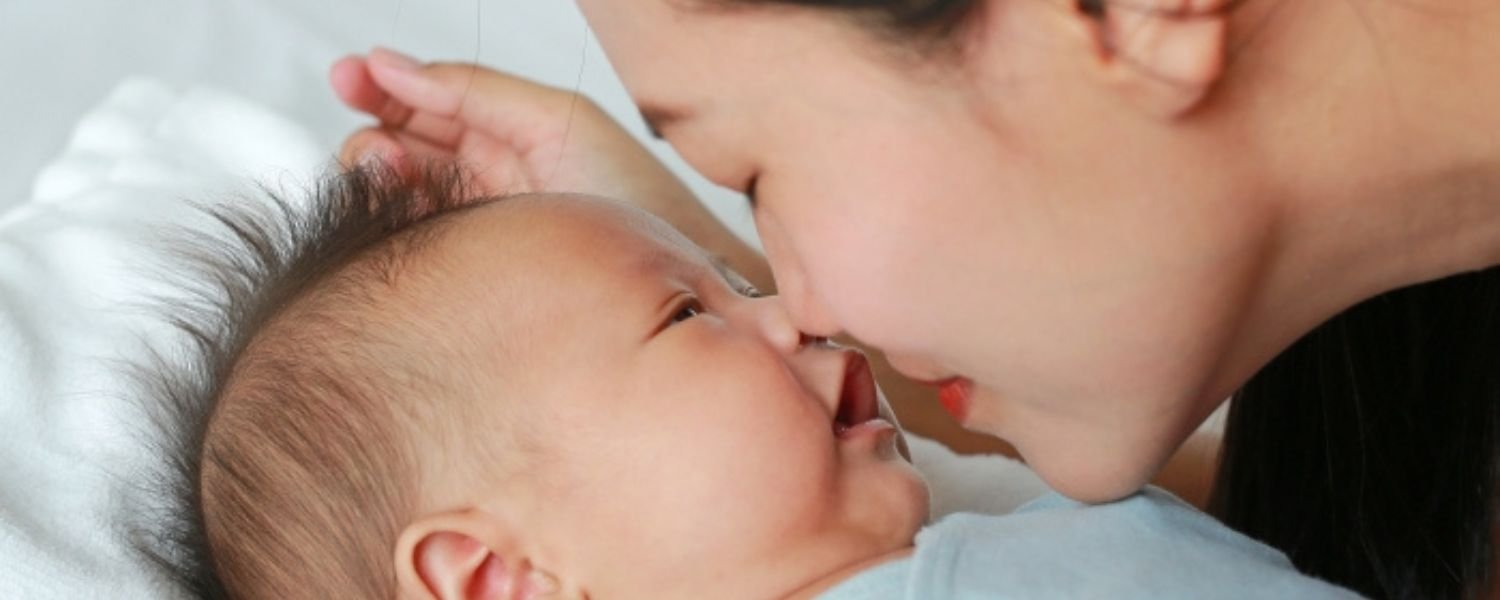
Not every change in your baby’s breath requires a trip to the dentist.
A temporary smell after feeding, eating certain foods, waking up, or having a cold may disappear once the immediate cause has passed.
The situation is different when bad breath continues despite good oral hygiene.
Consider speaking with a dentist or doctor if your child has bad breath together with:
- Swollen, red, or bleeding gums
- Toothache or signs of mouth pain
- Visible tooth decay
- White patches or persistent sores
- Fever
- Swollen tonsils
- Difficulty swallowing
- Persistent mouth breathing
- Frequent or loud snoring
- Difficulty eating or drinking
The other symptoms can provide useful clues about what is happening.
For example, bad breath with tooth pain may indicate a dental issue, while bad breath accompanied by fever and a sore throat may point towards an infection.
If your child has difficulty breathing or swallowing, significant swelling around the mouth or face, or rapidly worsening symptoms, seek urgent medical attention.
How to Prevent Baby’s Bad Breath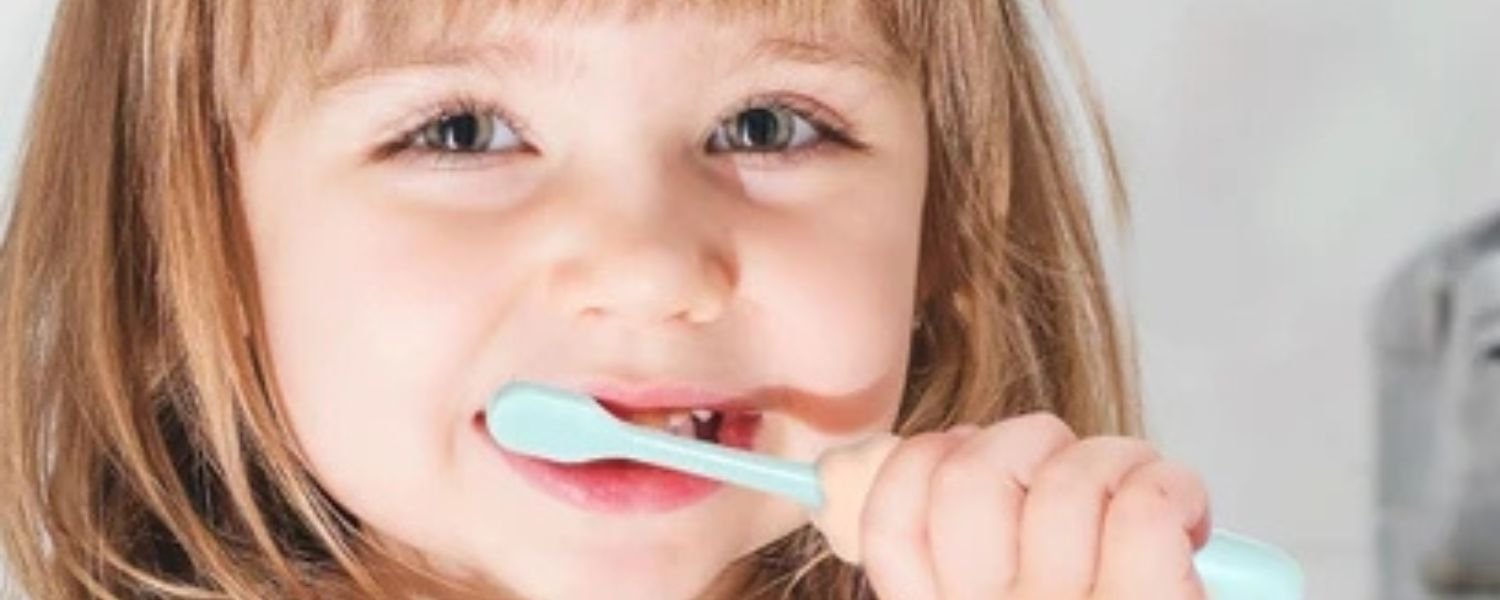
The best Bad Breath Prevention in Babies starts with simple, consistent oral-care habits.
You don’t need an elaborate routine. Small steps performed every day can make a meaningful difference.
Start Oral Care Before the First Tooth
Your baby’s oral-care routine can begin before their first tooth appears.
Gently wipe their gums with a clean, soft, damp cloth to remove milk or food residue.
This also helps your baby become familiar with having their mouth cleaned, making the transition to tooth brushing easier when the first tooth arrives.
Brush as Soon as Teeth Appear
Once your baby’s first tooth comes through, introduce an appropriate toothbrush and fluoride toothpaste according to professional guidance.
Young children need help with brushing because they do not yet have the coordination to clean every surface properly.
Make brushing part of the everyday routine, particularly in the morning and before bed.
Be Mindful of Sugary Foods and Drinks
Frequent exposure to sugary foods and drinks can increase the risk of tooth decay, which can subsequently contribute to oral-health problems and bad breath.
As your child begins eating solid foods, aim for balanced meals and appropriate snacks.
Avoid making sugary drinks a regular part of your child’s routine, and follow age-appropriate feeding recommendations from your healthcare professional.
Make Oral Care a Family Routine
Children learn by watching the people around them.
Brushing your own teeth alongside your child can make the routine feel normal rather than like a chore.
You can also allow your toddler to choose between suitable toothbrushes or let them brush first before you finish the job.
The important thing is that the teeth are cleaned properly and consistently.
Keep Up With Dental Visits
Regular dental appointments are an important part of children’s oral health.
A dentist can monitor your child’s developing teeth, identify early signs of decay, assess the gums, and answer questions about brushing, fluoride, diet, and teething.
Early visits can also help your child become comfortable with the dental environment.
What to Do If Your Baby Has Bad Breath Due to an Infection
When bad breath appears alongside signs of illness, treating the underlying condition is more important than trying to freshen your baby’s breath.
For example, a throat infection may cause bad breath together with fever, a sore throat, swollen tonsils, or difficulty swallowing.
Similarly, an infection or inflammation inside the mouth may affect the gums, tongue, or other tissues.
If you suspect an infection, contact your child’s doctor or dentist for appropriate advice.
Don’t Try to Mask the Smell
Avoid giving babies and young toddlers adult mouthwash, breath sprays, chewing gum, or breath mints.
These products are not designed for babies and may be inappropriate or unsafe for young children.
You should also avoid giving antibiotics unless they have been prescribed or specifically recommended by a healthcare professional.
Instead, focus on identifying the underlying cause.
Look for Other Symptoms
Pay attention to changes that occur alongside the bad breath, such as:
- Fever
- Swollen gums
- Mouth sores
- White patches
- Difficulty eating
- Difficulty swallowing
- Persistent nasal congestion
- Unusual irritability
- Breathing difficulties
Sharing these symptoms with your child’s healthcare professional can help them determine what type of assessment may be needed.
Home Remedies to Freshen Baby’s Breath
When parents search for Baby Breath Remedies, they often want a quick way to eliminate the smell.
However, the safest approach is not to cover up the odour. Instead, focus on keeping your child’s mouth clean and addressing the possible underlying cause.
Keep the Mouth Clean
For babies without teeth, gently clean the gums with a clean, soft, damp cloth.
Once teeth appear, brush them regularly using an age-appropriate toothbrush and fluoride toothpaste.
Support Good Hydration
A dry mouth can contribute to unpleasant breath.
Make sure your baby receives appropriate fluids according to their age and usual feeding routine. If you are unsure about your baby’s hydration needs, ask your paediatrician or healthcare professional.
Address Nasal Congestion
A blocked nose can encourage children to breathe through their mouths, potentially drying the mouth and contributing to bad breath.
If your baby has nasal congestion, ask a healthcare professional about safe ways to manage it based on their age.
Avoid using adult cold medicines or unapproved remedies.
Avoid Unproven Mouth Remedies
Not every home remedy is suitable for babies.
Avoid putting baking soda mixtures, essential oils, strong mouthwash, or other homemade substances inside your baby’s mouth unless specifically recommended by a qualified healthcare professional.
If the smell persists, finding the cause is much more useful than trying to mask it.
Sudden Bad Breath in Toddlers: What Could It Mean?
Sudden bad breath in toddlers can sometimes appear without warning.
A temporary change may happen after eating certain foods, during a cold, or when your child’s mouth becomes dry.
However, if the smell is unusually strong or continues for several days, consider whether there are other symptoms.
Ask yourself:
Does your toddler have a fever?
Are their gums swollen or bleeding?
Are they refusing food or complaining of pain?
Are they breathing through their mouth?
Do they have a blocked nose or sore throat?
These details can help a dentist or doctor understand what may be causing the problem.
If sudden bad breath persists despite good oral hygiene, professional assessment is the safest approach.
Knowing when to seek professional help can make the situation much less stressful for parents.
A dentist can examine your child’s teeth and gums if bad breath is persistent or accompanied by tooth pain, visible decay, swollen gums, or bleeding.
A doctor may be better placed to assess symptoms involving the nose, throat, or breathing, particularly if your child has persistent mouth breathing, fever, swollen tonsils, or difficulty swallowing.
You do not have to wait until your child develops severe symptoms before asking for advice. If something about their oral health seems unusual or continues despite good care, a professional examination can provide reassurance and identify potential problems early.
For families looking for a dentist Berwick, a local dental professional can assess your child’s teeth and gums and provide personalised guidance for maintaining their oral health.
If you are searching for a Beaconsfield Dentist, arranging a dental check-up can also be a useful step when persistent bad breath is accompanied by concerns about tooth decay, gums, teething, or oral hygiene.
Conclusion: Healthy Habits Start Early
Bad breath in a baby or toddler can be surprising, but it does not always indicate a serious problem.
Milk or food residue, dry mouth, mouth breathing, teething, poor oral hygiene, dental problems, and infections can all contribute to changes in your child’s breath.
The most important step is to look at the bigger picture.
If the smell is occasional and disappears with regular oral cleaning, there may be little reason for concern. If it persists or appears alongside pain, swollen gums, fever, mouth sores, difficulty swallowing, or breathing problems, it is time to seek professional advice.
Good oral hygiene is the foundation of Baby’s Bad Breath prevention. Start cleaning the gums early, brush teeth regularly once they appear, encourage healthy eating habits, and maintain regular dental visits.
Your child’s first teeth may be temporary, but the habits you establish now can influence their oral health for years to come.
Concerned about your child’s bad breath or oral health? Contact a trusted dental professional in Berwick or Beaconsfield to arrange an examination and receive personalised advice for your little one’s growing smile.

.webp)