Finishing school leaves many students standing at a massive crossroads. The pressure to pick the right path is intense, and the traditional options do not always fit everyone. If you are looking for a modern career path that focuses more on practical skills than memorizing textbooks, digital marketing is an excellent option to consider.
The online business space is booming rapidly. From local shops to global brands, every business now needs an online presence to survive and grow. This has created a massive, ongoing demand for professionals who know how to reach audiences online.
The best part about this field is its flexibility. You can find everything from quick short term certificates to deep long term university degrees. In this guide, we will break down the best digital marketing courses after 12th in 2026, helping you understand your choices, what you will learn, and how to build a successful career.
What Is Digital Marketing?
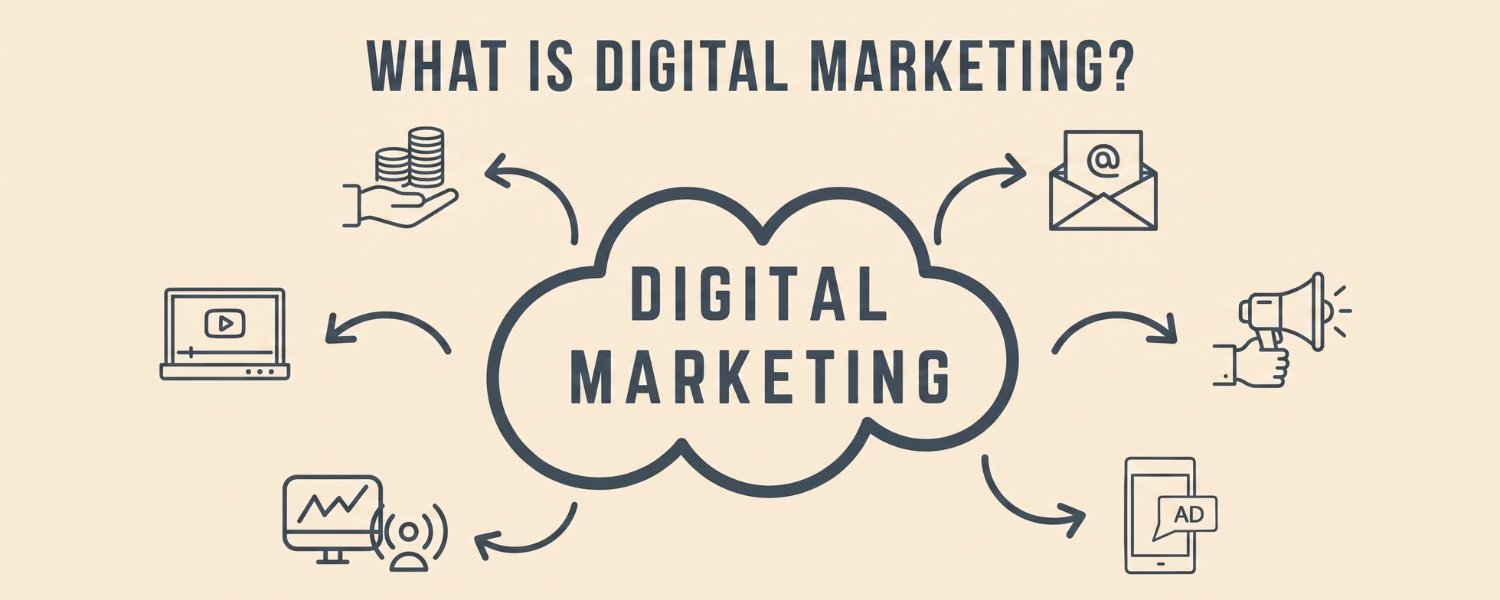
At its core, digital marketing is the practice of promoting products, services, or brands through internet connected devices and online platforms. Instead of using old school methods like billboards or newspaper ads, businesses connect with their target audience right where they spend most of their time: on their phones and computers.
Key Pillars of Digital Marketing
When you enter this field, you will work with several important digital marketing pillars:
Search Engine Optimization (SEO):
Getting websites to rank higher on Google and attract organic traffic.
Social Media Marketing:
Managing and growing brands on Instagram, LinkedIn, TikTok, and other platforms.
Content Marketing:
Creating blogs, videos, and graphics that educate and engage audiences.
Email Marketing:
Sending targeted messages to nurture leads, build relationships, and increase sales.
Paid Advertising (PPC):
Running paid campaigns on Google and social media for faster visibility and results.
Best Digital Marketing Courses After 12th in 2026
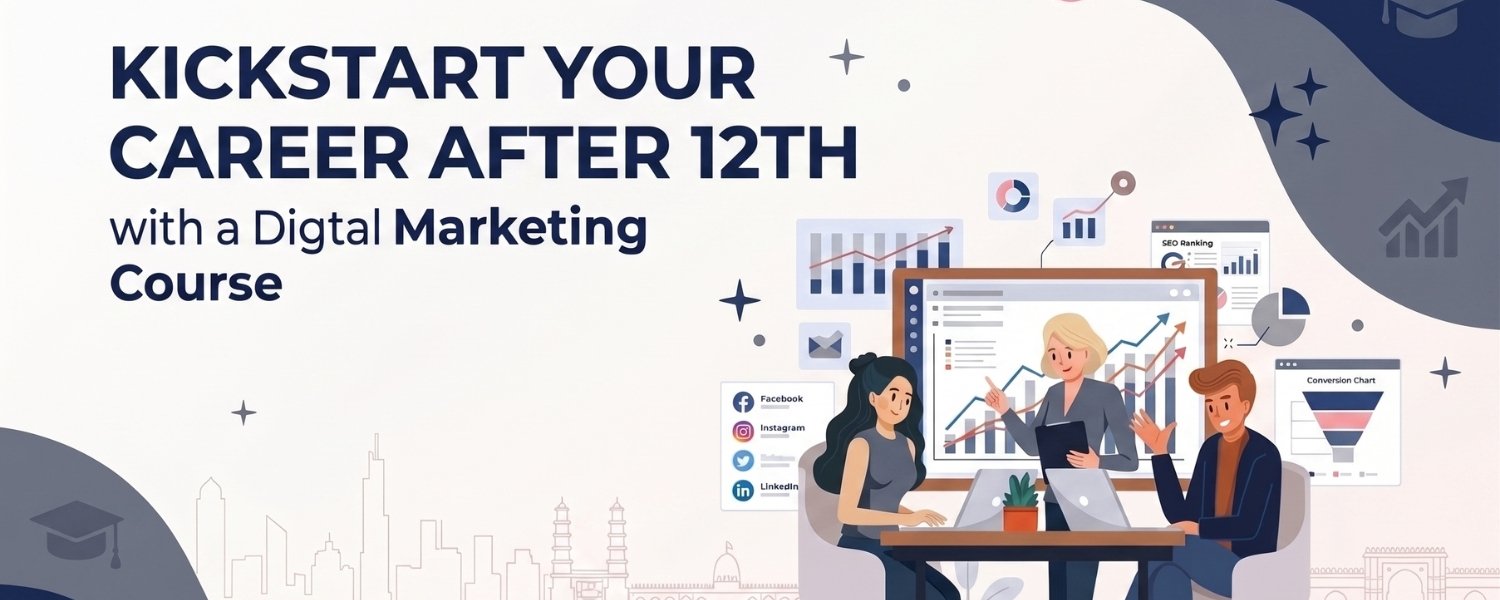
Certificate Course in Digital Marketing
This path is perfect for beginners who want to learn the ropes quickly and start working as soon as possible. These programs cut out the fluff and focus purely on practical, job ready training.
- Duration: Usually takes 3 to 6 months.
- Best for: Students wanting a fast, hands on entry into the industry.
- Core Topics: You will get a working knowledge of SEO, social media management, basic Google Ads, and email marketing tools.
Diploma in Digital Marketing
If you want a deeper dive than a basic certificate but are not ready to commit to a multi year degree, a diploma is your sweet spot. It offers a broader look at marketing strategy.
- Duration: Generally ranges from 6 to 12 months.
- Best for: Students who want comprehensive, practical campaign experience.
- Core Topics: Advanced campaign management, content production strategies, and data analytics.
Specialized Niche Courses
Instead of learning everything, you can also choose to master just one specific area. These are short, hyper focused programs that make you an expert in a single domain, such as Search Engine Optimization, Social Media Marketing, Google Ads, Content Marketing, Affiliate Marketing, or E-commerce Management.
Eligibility for Digital Marketing Courses After 12th
The entry barriers for digital marketing are reassuringly low. To enroll in most programs, you simply need to have completed your Class 12 examinations from a recognized educational board.Your school stream will not hold you back, as institutes welcome students from Arts, Commerce, and Science alike. Keep in mind that while short term certificate programs usually have open enrollment for anyone with basic internet skills, formal university degree programs might require a specific minimum percentage or an entrance test depending on the college.
Course Duration and Fees
- Short-Term Certificate Courses (3–6 Months):
Fees generally range from ₹15,000 to ₹75,000, depending on the institute and course coverage.
- Diploma Programs (6–12 Months):
Comprehensive digital marketing diplomas usually cost between ₹30,000 and ₹1,50,000.
- Bachelor Degrees & Specialized Courses:
Degree costs vary by college, while niche courses may range from ₹5,000 to ₹50,000.
Skills You Can Learn
- Practical Digital Marketing Skills:
Learn SEO, keyword research, social media management, content creation, paid advertising, analytics, and lead generation.
- Data-Driven Marketing:
Understand website analytics, consumer behaviour, and how to use data to improve campaigns.
- Professional and Creative Skills:
Improve communication, problem-solving, creativity, and teamwork through practical projects.
Career Opportunities After a Digital Marketing Course
- Explore Diverse Career Roles:
Work as an SEO Executive, Social Media Executive, Content Marketing Executive, PPC Executive, or E-commerce Executive.
- Build a Flexible Career:
Join a company, work as a freelancer, start an agency, grow a business, or build a personal brand.
- Create a Strong Portfolio:
Gain practical experience through internships and live projects to improve your job opportunities.
Salary Scope in Digital Marketing
- Skills Drive Earning Potential:
Income depends on your practical skills, portfolio, experience, and the results you deliver.
- Start and Grow Your Career:
Beginners can start with internships or junior roles and increase their value through hands-on experience.
- Specialisation Boosts Growth:
Expertise in paid ads, automation, analytics, and growth strategies can lead to better roles and higher earnings.
How to Choose the Right Digital Marketing Course

With so many institutes making big promises, choosing the right one requires careful thought. Avoid any program that guarantees a high-paying job on day one or promises unrealistic overnight success.
Instead, look for these practical green flags:
- Check if the syllabus covers the latest 2026 digital tools and platform updates.
- Ensure the course relies heavily on practical, live projects rather than just video lectures.
- Research the trainers to ensure they have real-world industry experience.
- Ask about the quality of their internship support and placement assistance.
- Read honest reviews from past students to see where they are working now.
Choose a course that aligns with your career goals, budget, and available time.
Conclusion
Digital marketing offers a rewarding career path after Class 12, focused on creativity, skills, and practical experience. Choose a course wisely by checking its curriculum, training approach, and career support before starting your journey. With the right guidance and consistent learning, you can build a successful career in the growing digital industry.
Frequently Asked Questions
Q1 Which digital marketing course is best after 12th?
It depends on your personal goals. If you want to learn practical skills quickly and start working, a short term certificate or diploma is excellent. If you want a traditional university experience alongside your marketing studies, a formal bachelor degree or a BBA with a marketing specialization is a better fit.
Q2 Can an Arts student pursue digital marketing after 12th?
Yes, absolutely. Digital marketing is entirely stream neutral. Students from Arts, Commerce, and Science backgrounds have the exact same opportunities to excel, as the field relies on creativity and practical skills rather than prior academic subjects.
Q3 Is digital marketing difficult to learn?
The basics of digital marketing are very beginner friendly and easy to grasp. However, because online platforms, algorithms, and consumer trends change constantly, staying successful requires continuous learning, regular practice, and hands on experimentation.
Q4 Is a degree required for digital marketing?
No, a formal degree is not strictly mandatory to learn the skills or start working as a freelancer. However, having a graduation degree can be very helpful later on if you want to apply for full time management roles in large corporate companies.
Q5 Can I get a job immediately after completing a digital marketing course?
A good course provides you with the foundational knowledge and technical skills, but landing a job depends on your practical experience. Building a strong portfolio, completing internships, polishing your communication skills, and proving you can deliver real marketing results are what will get you hired.

.webp)