Meteorological agencies have issued heavy snow warnings across several US states as a powerful winter system intensifies. Forecast models indicate widespread snowfall accumulation ranging from 12 to 24 inches in affected regions. States including Colorado, Montana, and Wyoming are among the most impacted, with additional alerts extending into neighboring areas.
Authorities are emphasizing preparedness as snowfall combines with high wind speeds, creating dangerous blizzard-like conditions. These warnings are not isolated but part of a broader weather system moving steadily across the northern and central United States.
States Currently Under Heavy Snow Alerts
The current wave of heavy snow warnings covers multiple states across the western and central US. Colorado, Montana, and Wyoming remain at the center of the system, with advisories also impacting parts of Idaho, Utah, and the Dakotas. Local weather offices have issued region-specific alerts based on projected accumulation and wind intensity.
In some areas, snowfall totals could exceed two feet, prompting emergency response teams to remain on standby. These states are experiencing varying degrees of severity, with mountainous regions facing the highest accumulation levels.
Expected Snowfall Accumulation and Intensity
Forecast data indicates that snowfall intensity will vary significantly depending on elevation and geographic location. Mountain regions are expected to receive between 18 and 24 inches of snow, while lower elevations may experience 10 to 15 inches.
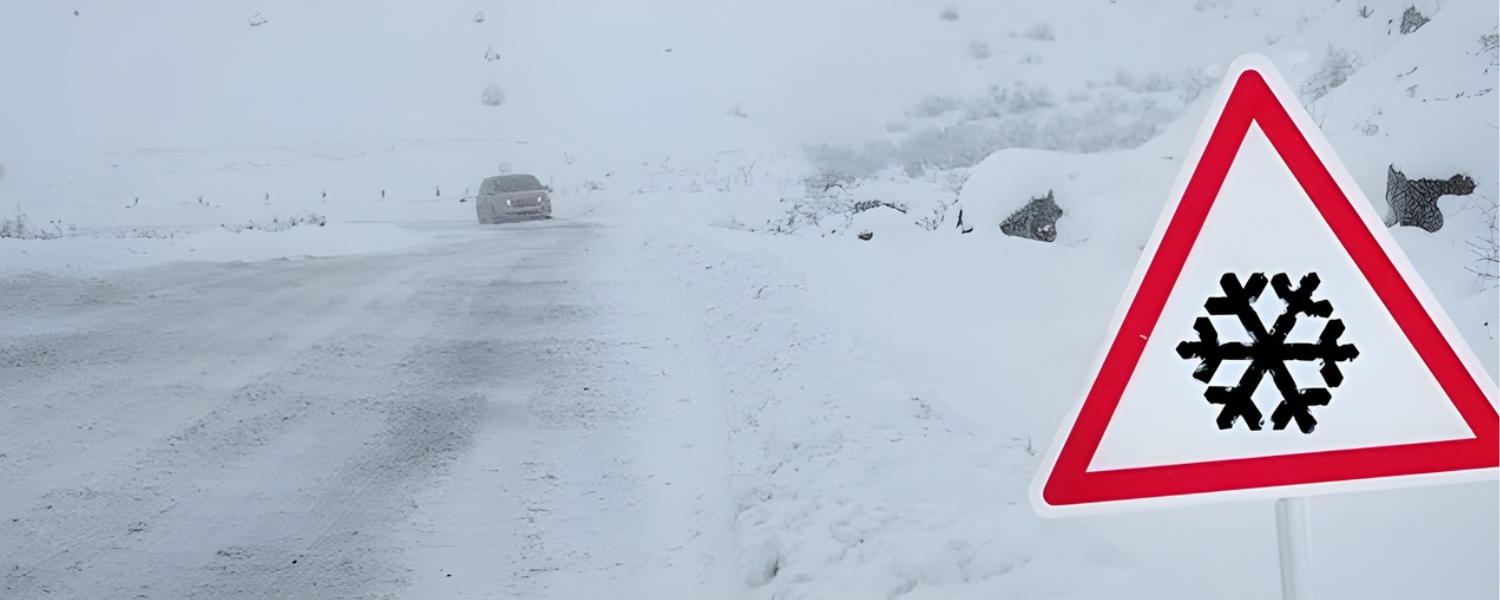
Wind gusts reaching up to 55 miles per hour are expected to accompany the snowfall, reducing visibility and increasing the likelihood of whiteout conditions. The combination of heavy snow and strong winds is likely to result in drifting snow, complicating road clearance operations and extending the duration of hazardous conditions.
Impact on Transportation and Travel
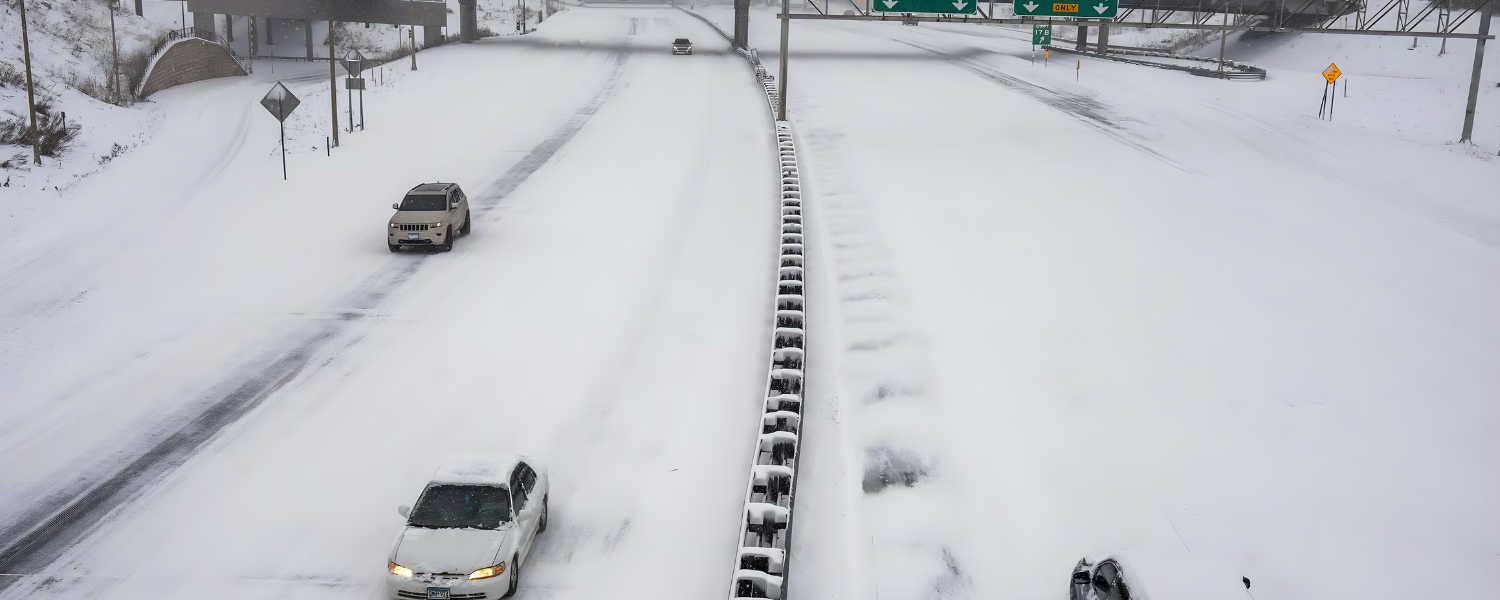
Transportation systems across affected states are already experiencing disruptions as snow accumulates on major highways and local roads. Authorities have issued travel advisories urging residents to avoid non-essential travel during peak storm periods. Airports in impacted regions are reporting delays and cancellations due to reduced visibility and runway conditions.
Interstate highways, particularly those crossing mountainous terrain, are at risk of temporary closures. Emergency services are preparing for increased response demands as accidents and stranded vehicles become more likely under severe weather conditions.
Emergency Preparedness and Public Safety Measures
State and local governments are actively implementing emergency preparedness protocols to mitigate the risks associated with heavy snowfall. Snowplow operations have been intensified, and emergency shelters are being prepared in areas most at risk. Residents are advised to stock essential supplies, including food, water, and medical necessities, in anticipation of potential isolation.
Authorities are also urging the public to monitor official weather updates and adhere to safety guidelines. Preparedness efforts are focused on minimizing disruptions and ensuring rapid response in case of emergencies.
Power Outages and Infrastructure Concerns
Heavy snow combined with strong winds poses a significant threat to power infrastructure across affected states. Accumulated snow on power lines and tree branches increases the risk of outages, particularly in rural and mountainous regions. Utility companies have deployed repair crews in anticipation of potential disruptions, but access to affected areas may be limited due to road conditions.
Prolonged outages could impact heating systems, making it critical for residents to have backup plans. Infrastructure resilience is being tested as the storm progresses across multiple regions.
Meteorological Factors Behind the Storm
The current heavy snow event is driven by a combination of cold air masses and a strong low-pressure system moving across the western United States. Moisture from the Pacific Ocean is being funneled into colder inland regions, resulting in significant snowfall.
Atmospheric instability and temperature gradients are contributing to the intensity of the storm. Meteorologists note that such systems are not uncommon during winter months, but the scale and intensity of this particular event have led to widespread warnings and heightened concern among weather monitoring agencies.
Regional Variations in Weather Conditions
While the overall system is producing heavy snow, conditions vary across different regions. Mountainous areas are experiencing the highest snowfall totals, while plains regions are more affected by strong winds and blowing snow.
Some areas may see a mix of snow and ice, further complicating travel conditions. Temperature fluctuations are also influencing precipitation patterns, with certain regions experiencing lighter snowfall but higher wind speeds. These variations highlight the complexity of the storm and the need for localized forecasts and advisories.
Impact on Daily Life and Local Communities
Heavy snow warnings are significantly affecting daily life in impacted states. Schools and businesses in several regions have announced closures or shifted to remote operations. Public transportation systems are operating on limited schedules, and community services are adapting to weather-related challenges.
Residents are being advised to remain indoors and avoid unnecessary travel. The storm’s impact extends beyond immediate safety concerns, influencing economic activity and routine operations across affected communities. Local authorities continue to provide updates and support to residents.
Agricultural and Economic Implications
The heavy snowfall is expected to have both positive and negative impacts on agriculture and local economies. While snowpack can benefit water resources in the long term, immediate effects include disruptions to livestock management and transportation of goods. Farmers and ranchers in affected states are taking precautions to protect animals and equipment.
Economic activity in sectors such as retail and logistics may slow due to weather-related challenges. The overall impact will depend on the duration and severity of the storm, as well as recovery efforts following its passage.
Role of Weather Forecasting and Technology
Advancements in weather forecasting technology have played a crucial role in predicting the current snowstorm. Satellite data, computer models, and real-time monitoring systems have enabled meteorologists to issue early warnings. These tools allow for more accurate predictions of snowfall intensity and storm movement.
Authorities rely on this information to implement timely safety measures and inform the public. Continuous updates are essential as conditions evolve, ensuring that residents and emergency services can respond effectively to changing weather patterns.
Comparison with Previous Snow Events
The current heavy snow warnings are being compared to previous winter storms that have impacted the same regions. While snowfall totals may be similar, the combination of strong winds and widespread coverage makes this event particularly significant. Historical data indicates that such storms can lead to prolonged disruptions, especially in areas with limited infrastructure.
Lessons learned from past events are being applied to improve response strategies. Comparisons help authorities assess potential risks and allocate resources more effectively during the ongoing storm.
Government Response and Coordination Efforts
Government agencies at both state and federal levels are coordinating efforts to manage the impact of the snowstorm. Emergency management teams are working closely with transportation departments, utility providers, and local authorities. Resources are being allocated to ensure timely snow removal, emergency response, and public communication.
Coordination between agencies is critical to maintaining safety and minimizing disruptions. Regular briefings and updates are being provided to keep the public informed about evolving conditions and response measures.
Public Advisory and Safety Recommendations
Authorities are issuing clear safety recommendations to help residents navigate the severe weather conditions. Individuals are advised to stay indoors during peak snowfall, avoid unnecessary travel, and keep emergency kits readily available. Drivers who must travel are urged to carry winter supplies, including blankets, food, and water.
Proper clothing and heating precautions are essential to prevent cold-related health risks. Public awareness campaigns are emphasizing the importance of preparedness and caution as the storm continues to impact multiple states.
Conclusion and Expected Weather Developments
Forecasts suggest that the heavy snow system will gradually move eastward over the coming days, potentially impacting additional states. While snowfall intensity may decrease in some regions, residual effects such as icy roads and drifting snow are expected to persist. Authorities will continue monitoring conditions and updating advisories as needed.
The aftermath of the storm will likely involve extensive cleanup and recovery efforts. Residents are encouraged to remain vigilant and follow official guidance until conditions stabilize across all affected areas.
For more latest news, in-depth stories, and trending insights from around the world, keep visiting WikiWala and stay connected to what truly matters every day.
Disclaimer
This report is based on currently available meteorological data and official advisories at the time of publication. Weather conditions can change rapidly, and readers are advised to consult local authorities and official weather services for the most up-to-date information.
Sources

.webp)