Introduction to James Comey’s Public Role
James Comey remains one of the most debated figures in modern American governance. As a former Director of the Federal Bureau of Investigation, his actions continue to shape discussions around institutional independence and political influence.
His tenure intersected with one of the most polarized periods in recent history, bringing intense scrutiny to federal investigative processes. Comey’s decisions have been interpreted differently across political lines, making him a lasting symbol of the challenges faced by public officials working within complex democratic systems.
Early Career and Legal Foundations
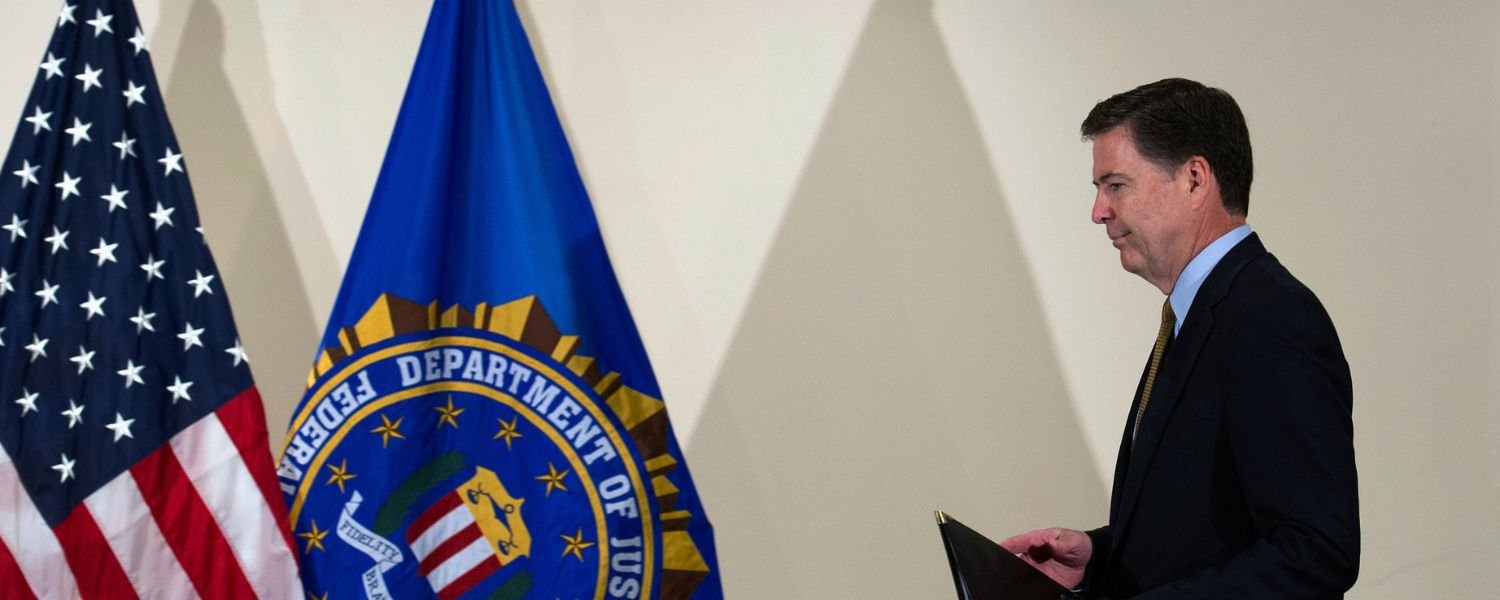
Before leading the FBI, Comey established himself as a respected legal professional within the United States justice system. He served as a federal prosecutor and later as Deputy Attorney General, handling cases involving organized crime and national security.
His reputation for integrity and adherence to legal principles earned him recognition across party lines. During this time, his work contributed to strengthening rule of law principles, which later became central to discussions about his leadership decisions.
Appointment as FBI Director
In 2013, Comey was appointed FBI Director, stepping into a role that required balancing transparency with operational secrecy. The agency was under scrutiny following surveillance-related controversies, and restoring public trust became a key priority.
Comey focused on reinforcing accountability and adapting to emerging threats such as cybercrime and terrorism. His leadership approach emphasized ethical responsibility while navigating institutional challenges. The period marked a significant shift in how federal agencies addressed issues of government transparency and public oversight.
The 2016 Election Controversy
The defining moment of Comey’s tenure came during the 2016 presidential election. His handling of the investigation into Hillary Clinton’s email practices sparked widespread debate. While he concluded that charges were not warranted, his decision to publicly comment on the investigation drew criticism.
The situation escalated when he announced the reopening of the inquiry shortly before the election. Critics argued this influenced voter perception, while supporters claimed it was necessary for accountability. The controversy highlighted tensions between investigative responsibility and democratic processes.
Relationship with the Trump Administration
Comey’s relationship with President Donald Trump became increasingly strained after the election. Reports of disagreements over ongoing investigations, particularly those related to Russian interference, intensified scrutiny.
Comey later testified before Congress about his interactions with the president, raising concerns about attempts to influence federal investigations. These events contributed to broader debates about the limits of separation of powers and the importance of maintaining independence within investigative institutions.
Dismissal and Immediate Aftermath
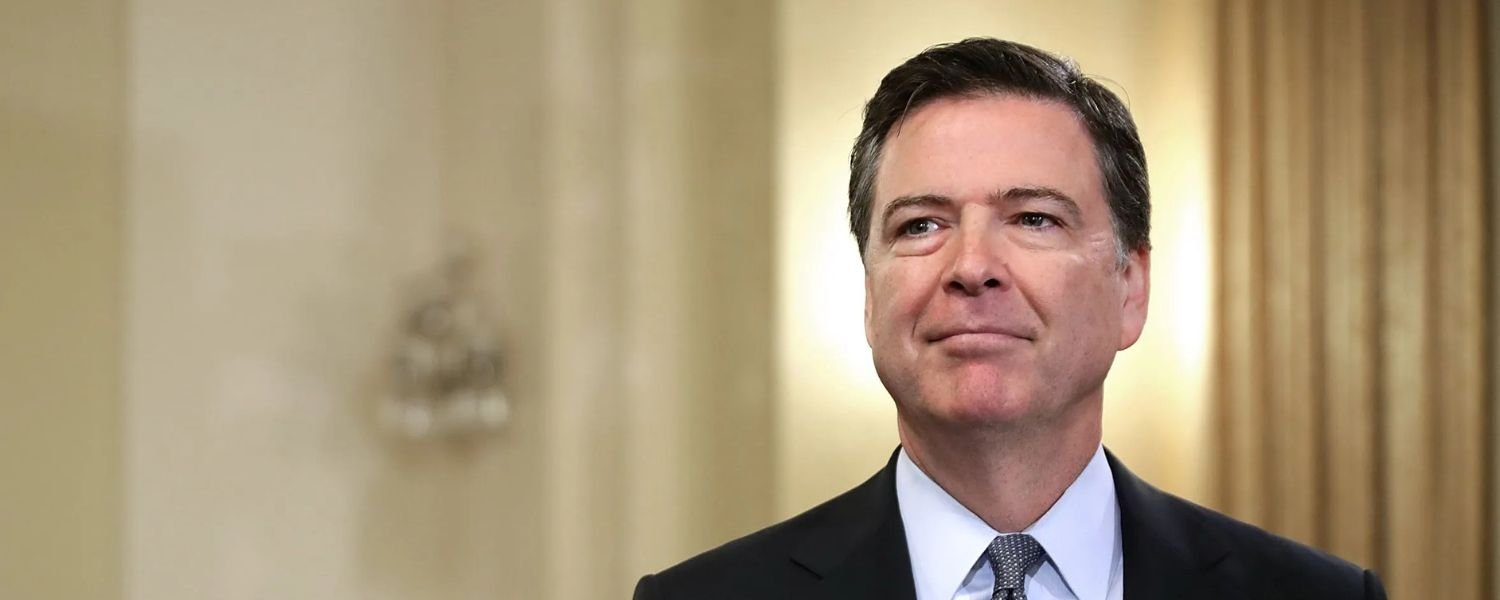
In May 2017, Comey was dismissed from his position as FBI Director. The decision was officially linked to his handling of the Clinton investigation, but many observers questioned whether it was connected to ongoing inquiries into election interference.
The dismissal triggered bipartisan reactions and calls for further investigation. It also led to the appointment of a special counsel to continue examining the matter. This development intensified public concern about justice system integrity and institutional independence.
Special Counsel Investigation Impact
The appointment of Special Counsel Robert Mueller marked a turning point in the investigation into Russian interference. Comey’s memos and testimony became critical pieces of evidence in the inquiry. Although the investigation did not establish a criminal conspiracy, it documented several instances that raised questions about obstruction of justice.
The findings fueled ongoing debates about accountability and oversight. This phase of the investigation reinforced the importance of independent review mechanisms within democratic governance structures.
Public Statements and Media Presence
After leaving office, Comey continued to influence public discourse through interviews, speeches, and his memoir. He positioned himself as an advocate for ethical leadership and institutional integrity. His public statements often emphasized the importance of maintaining trust in law enforcement agencies.
However, his visibility in media has drawn mixed reactions, with some praising his transparency and others questioning his motivations. This continued presence ensures that his role in past events remains a subject of ongoing discussion and analysis.
Criticism from Multiple Political Sides
One of the most notable aspects of Comey’s legacy is the bipartisan criticism he has received. Democrats have criticized his actions during the Clinton investigation, while Republicans have questioned his role in the Russia inquiry.
This dual criticism reflects the complexity of his decisions and the difficulty of maintaining neutrality in politically sensitive situations. Analysts suggest that his experience illustrates broader systemic challenges faced by law enforcement leaders operating under intense public and political pressure.
Institutional Lessons and Reforms
The controversies surrounding Comey’s tenure have led to calls for reforms within federal investigative agencies. Experts have emphasized the need for clearer guidelines on public communication during politically sensitive investigations.
There is also a growing focus on protecting institutional independence from political influence. These discussions have influenced policy considerations aimed at improving transparency while maintaining operational effectiveness. Comey’s experience serves as a case study for evaluating how institutions can adapt to modern challenges.
Broader Implications for Democracy
Comey’s career highlights significant issues related to accountability, governance, and the rule of law. His actions have been interpreted differently depending on political perspectives, reflecting the complexity of democratic systems.
The debates surrounding his decisions underscore the importance of maintaining clear boundaries between political leadership and law enforcement agencies. As polarization continues to shape public discourse, these issues remain central to discussions about the future of democratic institutions.
Current Relevance and Ongoing Debate
Years after his departure from the FBI, Comey continues to be referenced in discussions about institutional integrity and political influence. His decisions are often cited in debates about election processes, investigative standards, and executive authority.
Scholars and policymakers analyze his tenure to better understand evolving challenges within governance systems. The continued relevance of his actions demonstrates the lasting impact of leadership decisions made during critical moments in political history.
For more latest news, in-depth stories, and trending insights from around the world, keep visiting WikiWala and stay connected to what truly matters every day.
Sources
Disclaimer
This article is based on publicly available information and verified institutional records at the time of publication. Events and interpretations may evolve over time. Readers are encouraged to consult official sources for the latest updates. This content is intended for informational and journalistic purposes only.

.webp)