Recent discussions involving Jeff Bezos and income taxes have sparked widespread debate across the United States. Reports connected to Bezos triggered fresh conversations about whether lower income Americans should pay little or no federal income tax while billionaires and large corporations continue expanding wealth through business investments.
The issue quickly became a major political and economic talking point online because it touches on inflation, rising living costs, and growing frustration about wealth inequality. Americans from different political backgrounds are now debating whether the current tax system fairly balances economic opportunity and financial responsibility.
Why Jeff Bezos Became Central to the Discussion
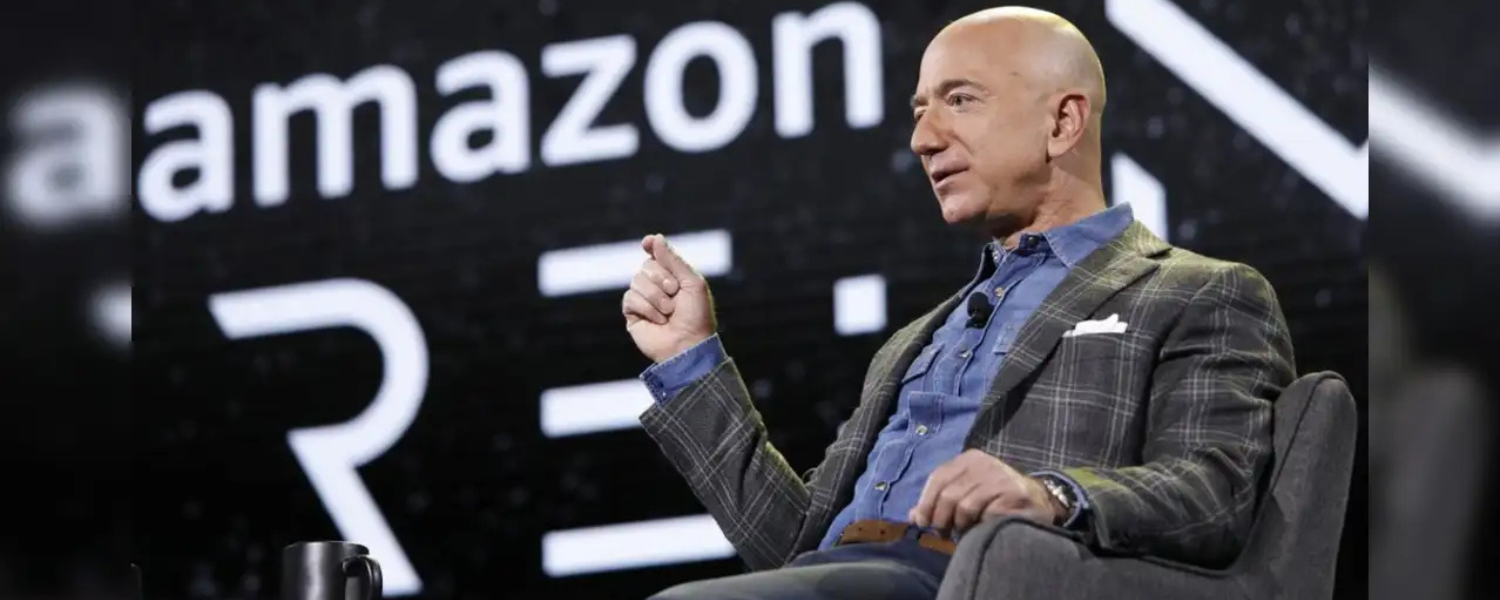
Jeff Bezos has frequently been part of national conversations about wealth and taxation because of his status as one of the richest people in the world. Critics often argue that billionaires benefit from financial systems that allow them to reduce taxable income through investments and assets.
Supporters respond by saying entrepreneurs like Bezos create jobs, innovation, and economic opportunities that support millions of workers globally. The renewed attention surrounding Bezos reflects growing public concern about how much wealthy individuals contribute to federal taxes compared to ordinary wage earners struggling with rising daily expenses and financial pressure.
The Main Idea Behind the Tax Proposal
| Group |
Potential Benefit |
Possible Concern |
| Lower Income Families |
More disposable income |
Long term policy uncertainty |
| Small Businesses |
Higher consumer spending |
Possible future tax changes |
| Government |
Economic stimulation |
Reduced tax revenue |
The proposal being discussed focuses on reducing or eliminating federal income taxes for lower income households. Supporters believe working Americans already face significant pressure from rising rent, healthcare costs, fuel prices, and groceries. They argue that people earning modest wages should keep more of their income instead of paying large portions through federal taxation.
Advocates also claim increased disposable income could help stimulate local businesses and strengthen consumer spending. Critics, however, question how the government would recover lost revenue needed to support education, infrastructure, healthcare programs, and other essential public services funded through taxes.
Economic Experts Have Mixed Opinions
Economists remain divided on whether such tax reforms would help or hurt the American economy. Some experts believe lower income families would immediately spend extra earnings on necessities, creating stronger economic activity for local businesses and industries. This increased spending could potentially encourage growth and support job creation in multiple sectors.
Other economists warn that reducing tax revenue too aggressively may increase national debt and create long term financial instability. They argue that government programs rely heavily on consistent tax collection, making it difficult to replace lost funding without raising taxes elsewhere or cutting public spending.
Political Leaders Continue Responding
Political reactions to the discussion have been intense across both parties. Progressive lawmakers argue billionaires and corporations should contribute more taxes instead of receiving financial advantages. They believe the wealth gap in America continues widening while working families struggle with inflation and stagnant wages.
Conservative leaders support reducing taxes for ordinary Americans and encouraging economic growth through lower financial burdens. Many analysts believe taxation will remain a major election issue because voters strongly connect the topic with fairness, affordability, and economic opportunity. The Bezos discussion has once again exposed the deep political divide surrounding tax policy in the United States.
Public Reaction Across Social Media
Why This Story Went Viral
- Growing frustration over inflation and living costs
- Increasing discussions about billionaire wealth
- Political arguments surrounding tax fairness
- Massive social media engagement across platforms
- Debates about economic inequality in America
Social media platforms have amplified discussions surrounding Jeff Bezos and taxation. Millions of users shared opinions about billionaire wealth, corporate responsibility, and whether ordinary Americans pay an unfair share of taxes. Some users supported lowering taxes for lower income earners because many families are struggling financially due to inflation and housing costs.
Others criticized the idea by arguing wealthy individuals should contribute significantly more to public services and government funding. Viral posts and online debates helped push the topic into mainstream political conversation, turning taxation into one of the most discussed economic issues across digital platforms recently.
How Lower Taxes Could Affect Families
Supporters believe reducing taxes for working class Americans could provide immediate financial relief for households dealing with debt and rising living expenses. Families might have more money available for groceries, healthcare, transportation, and savings if they owed less federal income tax. Increased spending power could also benefit local businesses and improve economic activity within communities.
However, critics worry that lowering taxes without alternative funding plans could weaken public services such as schools, transportation systems, and healthcare programs. The debate continues because both sides believe their approach would better protect the financial future of ordinary Americans.
Billionaire Wealth Remains a Major Issue

The controversy surrounding Jeff Bezos also reflects broader concerns about wealth concentration in America. Many citizens believe billionaires possess extraordinary financial influence while average workers continue facing economic hardship. Supporters of higher taxes on wealthy individuals argue billionaires should contribute more toward infrastructure, education, and social programs.
Opponents warn that excessive taxation could discourage investment, innovation, and entrepreneurship. This debate has become symbolic of larger questions about fairness and opportunity in the American economy. Discussions involving Bezos continue attracting attention because they represent wider frustrations surrounding income inequality and corporate power in modern society.
Media Coverage Increased National Attention
Major news organizations in US played a significant role in spreading the discussion about Jeff Bezos and federal taxes. Television networks, financial publications, and online news platforms analyzed how such proposals could affect government revenue and economic growth. Media coverage increased public awareness because tax related stories involving billionaires usually attract massive interest online.
Political commentators and economists also used interviews and opinion articles to present opposing perspectives on the issue. The story continued gaining traction because it combines wealth, politics, economics, and public frustration into one highly emotional national conversation followed by millions across the country.
Challenges Facing Any Tax Reform Plan
Although discussions about reducing taxes for lower income earners continue growing, major tax reforms would likely face serious challenges in Congress. Lawmakers remain deeply divided on how taxes should be structured and who should contribute more financially. Economists also warn that sudden changes to the tax system could create uncertainty for businesses, investors, and government agencies.
Policymakers would need to determine how lost revenue could be replaced if taxes were significantly reduced for millions of Americans. Possible alternatives include higher corporate taxes or spending cuts, both of which would likely trigger additional political battles and public disagreement nationwide.
Quick Summary
The Jeff Bezos tax proposal debate reflects growing concerns about wealth inequality, government revenue, and financial pressure on working Americans. Supporters believe lower taxes could help struggling families, while critics warn about long term economic consequences.
Conclusion
The debate connected to Jeff Bezos and income taxes reflects deeper national concerns about fairness, wealth inequality, and economic pressure on working Americans. Supporters believe reducing taxes for lower income households could improve financial stability and strengthen consumer spending during difficult economic conditions.
Critics argue the government may struggle to fund essential services without sufficient tax revenue from individuals and businesses. Regardless of political opinion, the issue has become one of the most discussed economic topics in America today. As public debate continues, taxation and billionaire wealth are expected to remain central subjects in future political and financial discussions.
Disclaimer
This article is intended for informational and news reporting purposes only. The content is based on publicly available reports, commentary, and discussions related to economic policy and taxation. It should not be considered financial, legal, or political advice.
Sources

.webp)