The Karmelo Anthony case has remained one of the most closely watched criminal trials in Texas over the past year. What began as a confrontation during a high school track meet in Frisco, Texas, ultimately resulted in the death of 17 year old Austin Metcalf and sparked national discussion about youth violence, self defense claims, and the influence of social media on high profile criminal cases.
On June 9, 2026, a Collin County jury found Karmelo Anthony guilty of murder and sentenced him to 35 years in prison. The verdict brought an emotional courtroom response from both families and marked the conclusion of a case that attracted widespread public attention across the United States.
What Happened at the Texas Track Meet?
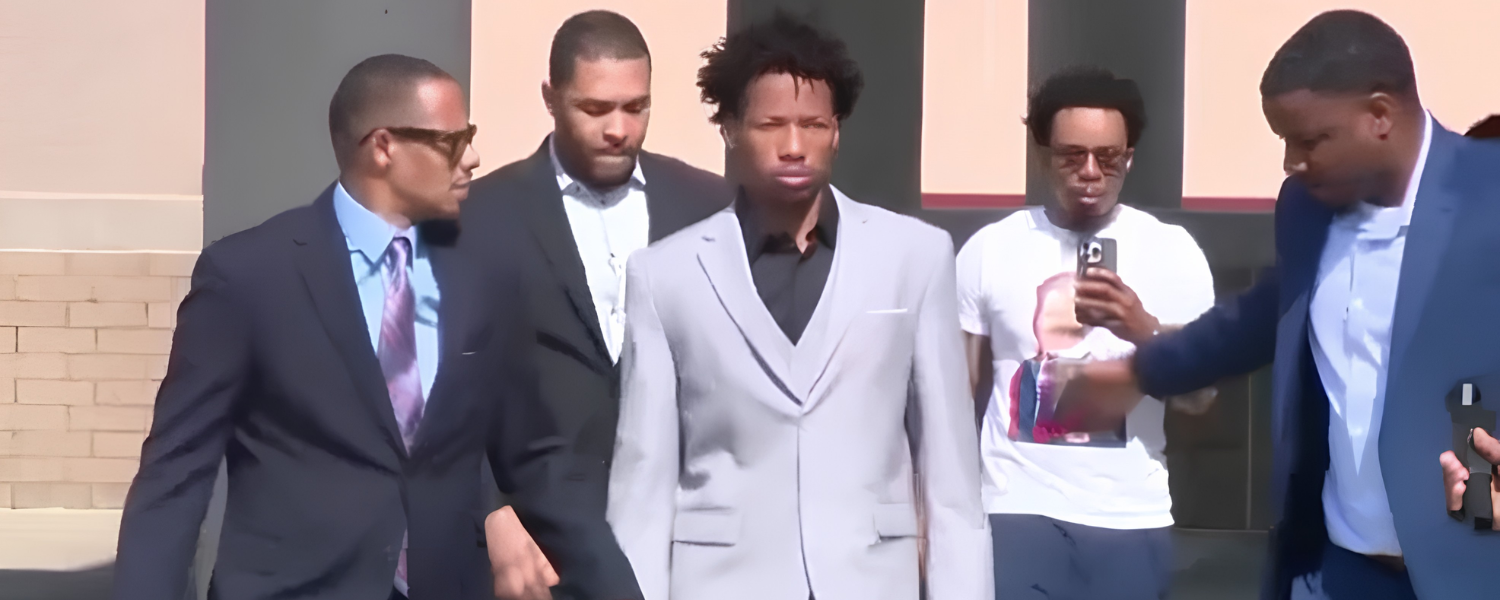
The incident dates back to April 2, 2025, during a high school track and field event in Frisco, Texas. According to testimony presented during the trial, a disagreement occurred between Karmelo Anthony and Austin Metcalf under a team tent during a weather delay.
Witnesses told investigators that the disagreement escalated after Anthony was asked to leave an area designated for another school’s athletes. What started as a verbal confrontation quickly turned physical. Prosecutors argued that Anthony pulled out a knife during the altercation and stabbed Metcalf in the chest.
Emergency responders rushed Metcalf to a hospital, but he later died from his injuries. The tragic event immediately drew attention from local authorities, schools, and communities throughout Texas.
Case Timeline
| Date |
Event |
| April 2025 |
Track meet confrontation occurs. |
| April 2025 |
Anthony arrested and charged. |
| 2025-2026 |
Court hearings and trial proceedings. |
| June 2026 |
Jury convicts Anthony and sentences him to 35 years. |
The Murder Charge Against Karmelo Anthony
Following the incident, Karmelo Anthony was arrested and charged with murder. Although he was 17 years old at the time of the stabbing, Texas law allowed him to be prosecuted as an adult due to the seriousness of the offense.
The prosecution maintained that Anthony’s actions were intentional and unjustified. Investigators gathered witness statements, video evidence, and forensic findings that were later presented during trial proceedings.
As the case moved through the legal system, it became one of the most discussed criminal cases in Texas. Public interest continued to grow as court filings, hearings, and legal arguments were widely reported by national news organizations.
Defense Strategy Focused on Self Defense
Anthony’s legal team built much of its defense around a claim of self defense. Attorneys argued that their client believed he was facing a threat during the confrontation and acted to protect himself.
Throughout the trial, defense lawyers pointed to the physical interaction that occurred before the stabbing and argued that the situation escalated rapidly. They contended that Anthony reacted during a tense and chaotic moment rather than carrying out a deliberate attack.
The defense also attempted to present mitigating factors regarding Anthony’s age and background. However, prosecutors challenged those arguments and maintained that the evidence showed the use of deadly force was not legally justified under the circumstances.
Key Arguments Presented During Trial
Prosecution
- Stabbing was not legally justified.
- Witness testimony supported murder charge.
- Deadly force was unnecessary.
- Evidence showed criminal responsibility.
Defense
- Claimed self defense.
- Argued confrontation escalated quickly.
- Highlighted Anthony’s age.
- Requested jury consider mitigating factors.
Jury Rejects Self Defense Argument
After hearing testimony from students, investigators, experts, and family members, jurors began deliberations. One of the central questions before them was whether Anthony’s actions met the legal standard for self defense.
Ultimately, the jury rejected the self defense claim. Jurors concluded that the prosecution had proven beyond a reasonable doubt that Anthony committed murder.
The decision represented a major turning point in the case. Observers in the courtroom reported emotional reactions from both sides as the guilty verdict was announced. The verdict also signaled that jurors believed the evidence did not support the defense’s explanation of the fatal encounter.
Sentencing Phase Brings Emotional Testimony 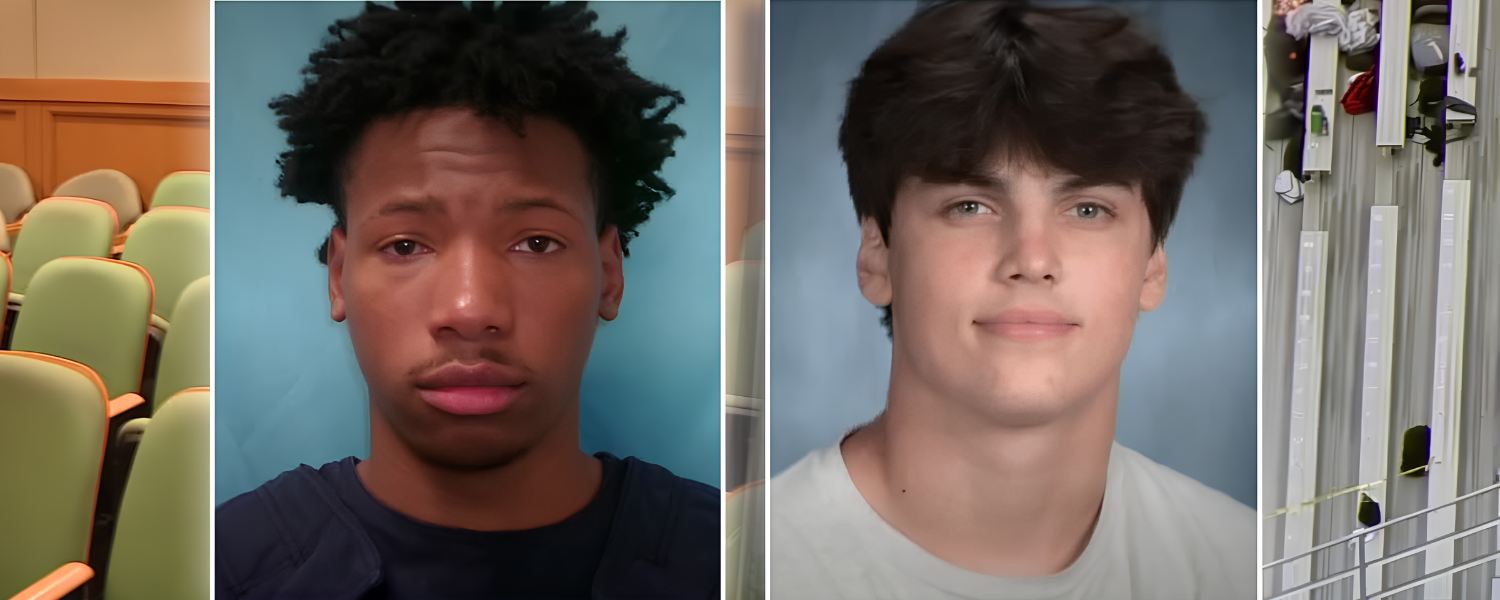
Family members described the emotional pain, loss, and lasting consequences they have experienced since the incident. Their statements reflected the grief that has followed them since losing a son, brother, and student athlete.
Anthony’s family also addressed the court, asking jurors to consider his age and future when determining punishment. His mother reportedly expressed remorse and requested mercy on behalf of her son.
The emotional testimony underscored the human impact of the case and highlighted the difficult task facing the jury as it determined an appropriate sentence.
Karmelo Anthony Sentenced to 35 Years in Prison
After considering the evidence and testimony presented during sentencing, the jury sentenced Karmelo Anthony to 35 years in prison.
The sentence fell within the range allowed under Texas law for a murder conviction. Jurors also rejected arguments that could have resulted in a significantly reduced punishment.
Legal experts noted that the sentence reflected the seriousness of the crime while also taking into account Anthony’s age at the time of the offense. Under Texas law, he may become eligible for parole after serving a portion of the sentence, though any future parole decision would be made by state authorities.
Verdict Summary
| Verdict |
Guilty |
| Crime |
Murder |
| Sentence |
35 Years |
| Jurisdiction |
Collin County, Texas |
National Attention and Public Debate
The case attracted attention far beyond Texas. News coverage expanded nationwide as discussions emerged on social media platforms, television programs, and online forums.
Some conversations focused on questions surrounding self defense laws, while others examined the broader issue of youth violence. The racial backgrounds of the individuals involved also became a subject of public debate, leading to polarized reactions online.
The extensive media coverage demonstrated how modern criminal cases can quickly become national conversations, particularly when social media amplifies public interest.
Community Impact Following the Verdict
The death of Austin Metcalf deeply affected students, educators, families, and community members in Frisco and surrounding areas. Schools implemented additional support services and counseling resources as students struggled to process the tragedy.
For many residents, the verdict represents the conclusion of the legal process but not the end of the emotional impact. Community leaders have continued encouraging healing, dialogue, and support for those affected by the case.
The trial also raised broader concerns about conflict resolution among young people and the consequences of violence during everyday disputes. Many observers hope lessons learned from the tragedy can help prevent similar incidents in the future.
What Happens Next?
With the trial complete and sentencing handed down, attention now turns to potential post conviction legal options. Defense attorneys may pursue appeals challenging aspects of the conviction or trial proceedings.
Appeals are common in serious criminal cases and can take months or even years to resolve. Any appeal would be reviewed by higher courts, which would determine whether legal errors occurred during the original proceedings.
For the Metcalf family, the verdict provides a measure of legal closure, though the loss of Austin remains permanent. For Anthony, the sentence begins a lengthy period of incarceration while any future legal challenges move through the court system.
Key Takeaways
- Austin Metcalf died after a stabbing at a Texas track meet.
- Karmelo Anthony was charged and tried as an adult.
- The defense argued self defense.
- The jury rejected the self defense claim.
- Anthony was convicted of murder.
- The court sentenced him to 35 years in prison.
Conclusion
The Karmelo Anthony case stands as one of the most significant criminal trials in Texas in recent memory. The fatal stabbing of Austin Metcalf during a high school track meet shocked communities across the country and generated intense public interest.
After hearing extensive testimony and reviewing evidence, a jury rejected Anthony’s claim of self defense, found him guilty of murder, and sentenced him to 35 years in prison. The verdict closes a major chapter in the legal process, though its impact will continue to be felt by the families, schools, and communities connected to the tragedy.
As the case moves into the post conviction stage, it remains a powerful reminder of how quickly conflicts can escalate and how deeply acts of violence affect everyone involved.
For more latest news, in-depth stories, and trending insights from around the world, keep visiting WikiWala and stay connected to what truly matters every day.
Disclaimer
This article is based on publicly available news reports and court coverage available at the time of writing. Information may change as additional court documents, appeals, or official statements become available. This content is intended for informational and news reporting purposes only and does not constitute legal advice.
Sources

.webp)