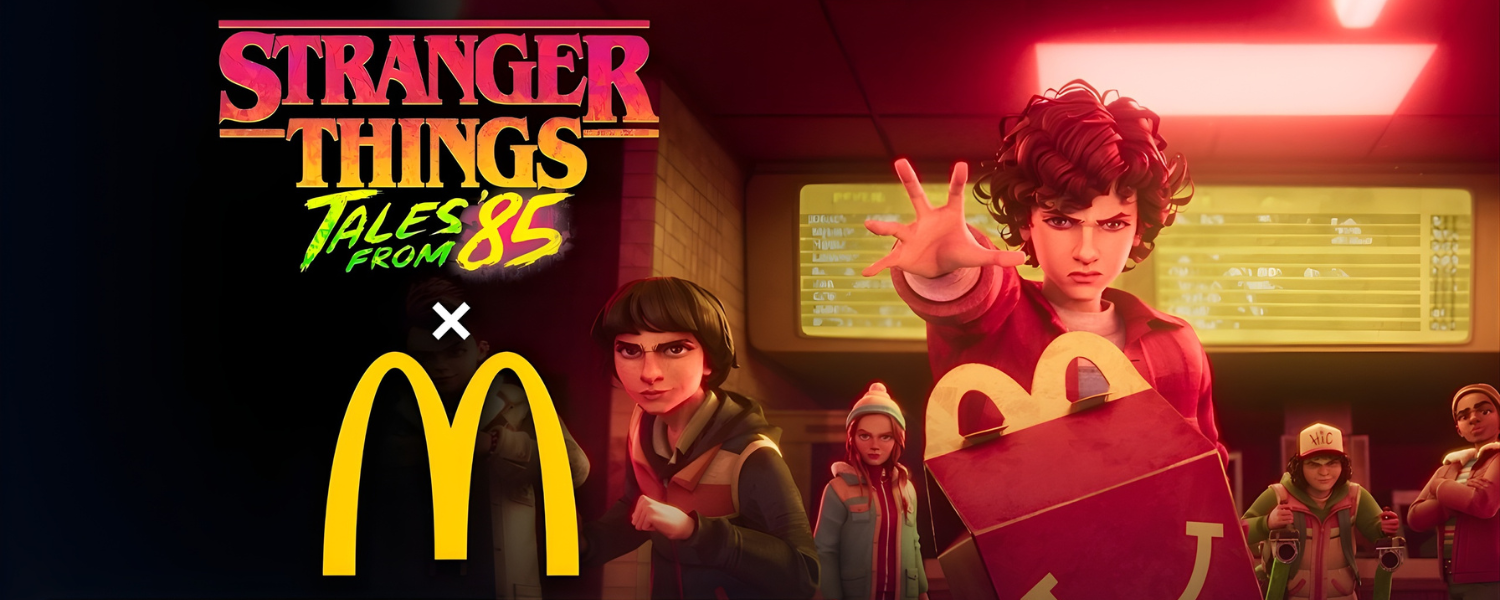
McDonald’s has unveiled a strategic collaboration with Netflix, introducing a limited-edition Happy Meal inspired by retro entertainment themes. The announcement has generated significant attention across digital platforms, combining nostalgia with modern streaming culture. This partnership reflects evolving marketing tactics where entertainment franchises and food brands intersect to maximize audience reach.
The campaign reportedly centers around 1980s-inspired storytelling, leveraging Netflix’s popular catalog and McDonald’s global footprint. Analysts suggest this initiative could redefine co-branded promotions by targeting both younger audiences and adults familiar with nostalgic content.
Background of Brand Collaborations in Fast Food
Collaborations between fast-food chains and entertainment companies have grown steadily over the past decade. McDonald’s has historically partnered with major studios to promote films through Happy Meal toys, a model that has proven effective in driving foot traffic. With the rise of streaming platforms, these collaborations have expanded beyond theatrical releases to include digital-first content.
Netflix, known for its cultural influence, presents a unique opportunity for McDonald’s to tap into binge-watching audiences. This shift marks a transition from traditional promotional tie-ins to more immersive, cross-platform brand experiences.
Concept and Theme of the New Happy Meal
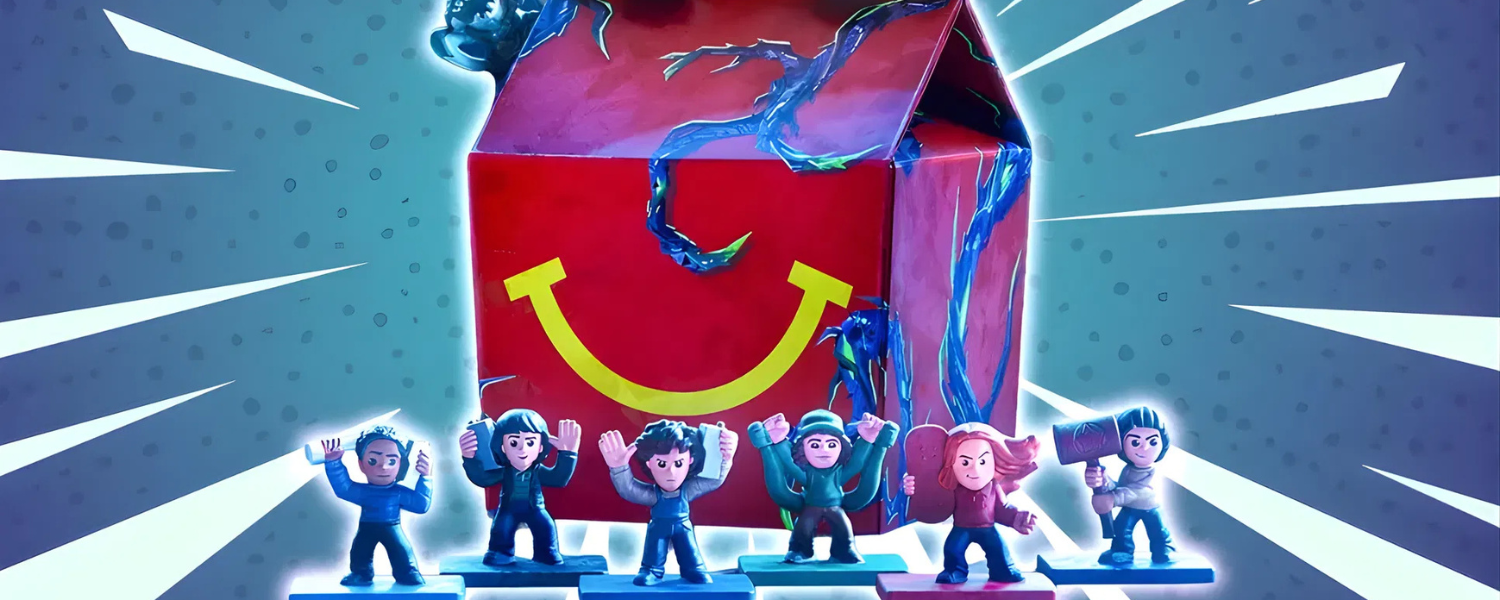
The McDonald’s Netflix Happy Meal is reportedly centered around a retro “Tales from ’85” concept, aligning with the resurgence of 1980s pop culture. This theme draws inspiration from Netflix’s success in reviving vintage aesthetics through its original programming. Packaging, toys, and promotional materials are designed to reflect neon colors, arcade-style visuals, and nostalgic references.
The approach aims to create a cohesive storytelling experience rather than a simple product launch. By integrating thematic consistency, the collaboration positions itself as both a collectible offering and a cultural statement.
Role of Nostalgia in Modern Marketing Strategies
Nostalgia has become a powerful driver in consumer marketing, particularly among millennials and Gen Z audiences. Brands increasingly leverage retro themes to evoke emotional connections and differentiate their campaigns. The McDonald’s Netflix collaboration capitalizes on this trend by blending familiar childhood experiences with contemporary entertainment.
Research indicates that nostalgia-based campaigns often lead to higher engagement and brand recall. By revisiting the 1980s era, the partnership not only appeals to older consumers but also introduces younger audiences to a stylized version of the past, enhancing cross-generational appeal.
Netflix’s Strategic Expansion into Consumer Products
Netflix has gradually expanded beyond streaming into consumer products and brand collaborations. From merchandise to themed experiences, the company has explored multiple revenue streams tied to its intellectual properties. The partnership with McDonald’s represents another step in this direction, allowing Netflix to extend its content into everyday consumer interactions.
By integrating its storytelling into a widely accessible product like the Happy Meal, Netflix strengthens its brand presence outside digital platforms. This strategy aligns with broader industry trends where media companies diversify through experiential and physical products.
McDonald’s Marketing Evolution in the Digital Age
McDonald’s has adapted its marketing approach to align with changing consumer behaviors, particularly the shift toward digital engagement. Social media campaigns, app-based promotions, and influencer partnerships have become central to its strategy. The Netflix collaboration reflects this evolution by combining digital storytelling with physical products.
The campaign is expected to include interactive elements such as QR codes, online content tie-ins, and social media challenges. These features aim to create a multi-channel experience, encouraging consumers to engage with the brand beyond the point of purchase.
Consumer Response and Early Market Reactions
Initial reactions to the McDonald’s Netflix Happy Meal have been largely positive, with social media users expressing excitement over the retro theme. Early reports indicate increased interest among collectors and fans of nostalgic content. Parents and younger consumers have also shown curiosity about the unique packaging and toy designs.
Industry analysts note that such collaborations often benefit from organic online promotion, as users share unboxing experiences and reviews. The campaign’s success will depend on sustained engagement and the ability to deliver on consumer expectations.
Competitive Landscape in Fast Food Promotions
The fast-food industry remains highly competitive, with major chains continuously seeking innovative ways to attract customers. Competitors have launched similar collaborations with entertainment franchises, including movie tie-ins and celebrity partnerships. McDonald’s Netflix initiative stands out due to its focus on streaming content rather than traditional cinema.
This approach reflects changing consumption patterns, where audiences increasingly favor on-demand entertainment. By aligning with a leading streaming platform, McDonald’s positions itself ahead of competitors in adapting to evolving media trends.
Economic Implications of Limited Edition Campaigns
Limited-edition campaigns like the McDonald’s Netflix Happy Meal often drive short-term sales spikes and long-term brand loyalty. Scarcity creates urgency, encouraging consumers to purchase before the promotion ends. Additionally, collectible items can generate secondary market activity, further amplifying brand visibility.
Economists highlight that such campaigns can boost revenue not only through direct sales but also through increased foot traffic and cross-selling opportunities. The collaboration’s financial impact will depend on its duration, distribution strategy, and consumer demand across different regions.
Cultural Impact of Entertainment and Food Partnerships
The intersection of entertainment and food has become a defining feature of modern consumer culture. Collaborations like the McDonald’s Netflix Happy Meal blur the lines between media consumption and everyday experiences. This integration reflects broader societal trends where brands seek to embed themselves in cultural moments.
By combining storytelling with a familiar product, the campaign creates a shared experience that resonates across demographics. Such initiatives contribute to the growing influence of branded content in shaping consumer behavior and cultural narratives.
Supply Chain and Distribution Considerations
Executing a global collaboration of this scale requires careful coordination across supply chains. McDonald’s must ensure consistent availability of themed packaging and toys while maintaining operational efficiency. Logistics challenges include production timelines, regional distribution, and inventory management.
Any disruptions could impact consumer satisfaction and campaign performance. Industry experts emphasize the importance of aligning supply chain strategies with marketing objectives. Successful execution will depend on seamless integration between manufacturing, distribution, and retail operations.
Role of Social Media in Campaign Amplification
Social media platforms play a critical role in amplifying the reach of modern marketing campaigns. The McDonald’s Netflix collaboration is expected to leverage platforms such as Instagram, TikTok, and YouTube for promotion. User-generated content, including reviews and unboxing videos, can significantly enhance visibility.
Hashtag campaigns and influencer partnerships may further drive engagement. By encouraging digital interaction, the campaign extends its impact beyond physical locations. This approach aligns with current marketing trends online engagement directly influences consumer decisions.
Expert Opinions on the Collaboration
Marketing experts view the McDonald’s Netflix partnership as a strategic alignment of two influential brands. Analysts highlight the synergy between Netflix’s storytelling capabilities and McDonald’s global reach. Some experts suggest that the collaboration could set a precedent for future partnerships between streaming platforms and consumer brands.
However, they also caution that success depends on execution and sustained consumer interest. The ability to deliver a cohesive and engaging experience will determine whether the campaign achieves its intended impact.
Potential Challenges and Risks
Despite its potential, the collaboration faces several challenges. Overreliance on nostalgia may limit its appeal if not balanced with innovation. Additionally, logistical issues or supply shortages could affect consumer perception. There is also the risk of oversaturation, as frequent collaborations may reduce their novelty.
Market competition and changing consumer preferences add further uncertainty. Addressing these challenges requires careful planning and adaptability. McDonald’s and Netflix must ensure that the campaign remains relevant and engaging throughout its lifecycle.
Future Outlook for Brand Collaborations
The McDonald’s Netflix Happy Meal signals a broader shift in how brands approach partnerships. As consumer expectations evolve, collaborations are likely to become more immersive and integrated. Future campaigns may incorporate augmented reality, interactive storytelling, and personalized experiences.
The success of this initiative could influence other companies to explore similar strategies. By combining entertainment and everyday products, brands can create unique value propositions that resonate with modern audiences. This trend is expected to shape the future of marketing across industries.
Conclusion and Industry Significance
The McDonald’s Netflix Happy Meal represents a significant development in cross-industry collaborations. By merging fast food with streaming entertainment, the campaign reflects changing consumer behaviors and marketing strategies. Its emphasis on nostalgia, digital engagement, and storytelling highlights the evolving nature of brand interactions.
While challenges remain, the initiative demonstrates the potential of innovative partnerships to drive engagement and revenue. As the campaign unfolds, its performance will provide valuable insights into the of collaborative marketing in a rapidly changing landscape.
For more latest news, in-depth stories, and trending insights from around the world, keep visiting WikiWala and stay connected to what truly matters every day.
Disclaimer
This report is based on currently available information and early media coverage. Details regarding the McDonald’s Netflix Happy Meal collaboration may evolve as additional official announcements are released. Readers are advised to verify information through official sources for the most accurate and updated details.
Sources

.webp)