NBC News found itself at the center of national attention after a highly publicized interview between President Donald Trump and NBC’s Meet the Press moderator Kristen Welker ended abruptly. The conversation, which covered election integrity, government investigations, foreign policy, and political controversies, quickly escalated into a heated exchange.
As questions became more challenging, tensions rose between the president and the veteran journalist. The incident has generated widespread discussion across political circles, news organizations, and social media platforms, highlighting the ongoing friction between political leaders and the mainstream press.
What Happened During the NBC Interview
Interview Timeline
| Stage |
What Happened |
| Opening Discussion |
Interview began with policy and political topics. |
| Election Questions |
Trump defended election related claims. |
| Fact Checking |
Welker challenged several statements. |
| Escalation |
Discussion became increasingly tense. |
| Conclusion |
Trump ended the interview abruptly. |
The interview was recorded in Wisconsin and aired on NBC’s Meet the Press. Throughout the conversation, Welker questioned Trump about several controversial topics, including claims regarding election fraud and a proposed government compensation initiative. As the discussion progressed, Trump repeatedly defended his positions while criticizing media coverage.
The exchange became increasingly confrontational when Welker pressed for evidence supporting allegations about election irregularities. According to reports, the president expressed frustration with the questioning style and challenged the credibility of both the journalist and the network.
Election Claims Spark the Biggest Clash
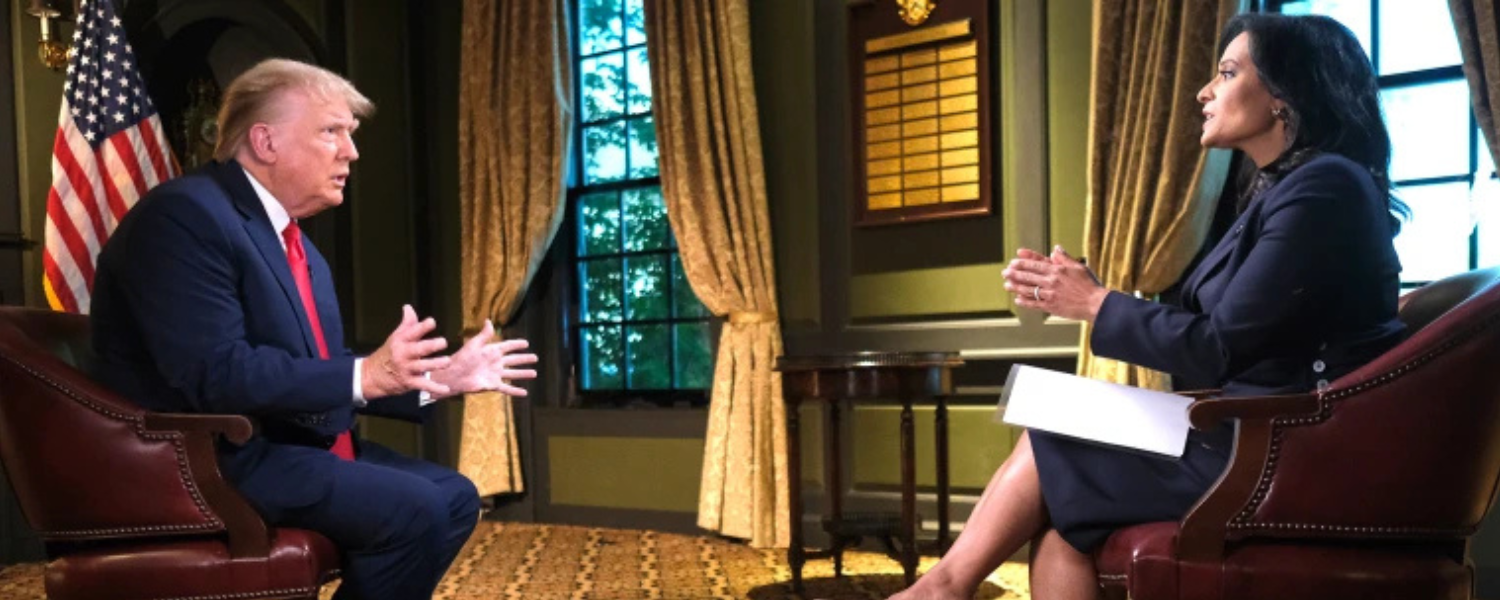
One of the most contentious moments centered on Trump’s continued assertions regarding election fraud. During the interview, he argued that certain election processes were flawed and suggested that irregularities had affected outcomes. Welker responded by asking for supporting evidence and noted that election officials and previous investigations had not substantiated such claims.
The disagreement intensified as both sides defended their positions. The exchange quickly became the defining moment of the interview and served as the catalyst for the dramatic conclusion that followed later in the broadcast.
Tension Builds Over Additional Political Issues
Beyond election questions, the discussion expanded to other major political topics. Welker questioned Trump about a proposed compensation fund that had generated debate in Washington. The proposal was connected to individuals who claimed they had been unfairly targeted by federal investigations.
Questions also touched on the January 6 Capitol attack and whether certain individuals should receive financial support through such initiatives. Trump defended his broader arguments while criticizing what he viewed as unfair treatment by government institutions. These exchanges further increased the tension that was already evident throughout the conversation.
The Moment the Interview Ended

As the interview continued, frustration became increasingly visible. Reports indicate that Trump accused NBC and members of the media of bias before deciding to end the conversation. He eventually removed his microphone and informed Welker that he had reached his limit with the discussion.
The decision effectively brought the interview to an abrupt conclusion. While political interviews often feature disagreements, it is relatively uncommon for a sitting president to terminate a nationally televised interview in such a dramatic fashion. The moment immediately became a major news story across multiple media outlets.
NBC’s Response and Subsequent Fact Checking
Following the broadcast, NBC News published additional reporting and fact checking related to statements made during the interview. The network examined several claims discussed during the conversation and provided context from previous reporting and public records.
Fact checking has become a standard part of political journalism in recent years, particularly during high profile interviews involving national leaders. Supporters of the practice argue that it promotes accountability, while critics contend that it can sometimes create perceptions of bias. The NBC interview has reignited this broader debate about journalism and political coverage.
Public Reaction Across Media Platforms
Supporters
Many supporters argued that the questioning reflected media bias and unfair treatment.
Critics
Critics praised the interview for challenging claims and seeking clarification.
Reaction to the interview spread rapidly across television networks, online publications, and social media. Supporters of Trump argued that the questioning reflected longstanding media hostility toward the president. Others praised Welker for challenging statements that they believed required clarification and verification.
Political analysts noted that the interview reflected deeper divisions within American political discourse. Rather than focusing solely on policy issues, much of the public discussion centered on the relationship between political leaders and journalists. The incident became one of the most widely discussed television moments of the week.
NBC’s Role in Modern Political Journalism
NBC News has long played a significant role in political reporting through programs such as Meet the Press. The network frequently hosts interviews with presidents, lawmakers, candidates, and government officials. These conversations often shape public understanding of major issues and influence national political debates.
The recent interview illustrates the challenges faced by news organizations attempting to balance tough questioning with maintaining productive dialogue. As audiences become increasingly polarized, every major interview is scrutinized from multiple perspectives, making journalistic neutrality an ongoing topic of discussion within the media industry.
Why the Interview Matters
Why This Story Matters
The interview highlights the growing tension between political leaders and major news organizations. It also raises questions about media trust, accountability, and the role of fact checking in modern journalism.
The significance of this interview extends beyond a single television appearance. It highlights the growing tension between political figures and traditional news organizations. Trust in media remains a major issue in the United States, with different groups holding sharply contrasting views about news coverage and journalistic practices.
The NBC interview became a reflection of these broader trends. Whether viewed as an example of accountability or confrontation, the event demonstrated how political communication increasingly unfolds through highly visible media encounters that attract national attention and shape public conversation.
Quick Summary
| Topic |
Summary |
| Network |
NBC News |
| Program |
Meet the Press |
| Key Issue |
Election related claims |
| Major Development |
Interview ended abruptly |
| Public Impact |
Renewed debate over media and politics |
Conclusion
The abrupt ending of President Trump’s NBC interview has become one of the most talked about political media moments of the year. What began as a standard television conversation evolved into a tense confrontation involving election claims, government policies, and media credibility.
The incident sparked immediate debate about journalism, political accountability, and public trust. As reactions continue to emerge from across the political spectrum, the interview serves as another reminder of the powerful role major news networks play in shaping national discussions and influencing public perception of important issues.
Disclaimer
This article is based on publicly available news reports and media coverage available at the time of writing. Information may continue to develop as additional statements, interviews, or official responses are released. The purpose of this article is to provide a news summary and does not endorse any political viewpoint or claim.
Sources
NBC Interview Coverage
Independent Report
Reuters Report
NBC Fact Check
Times Coverage

.webp)