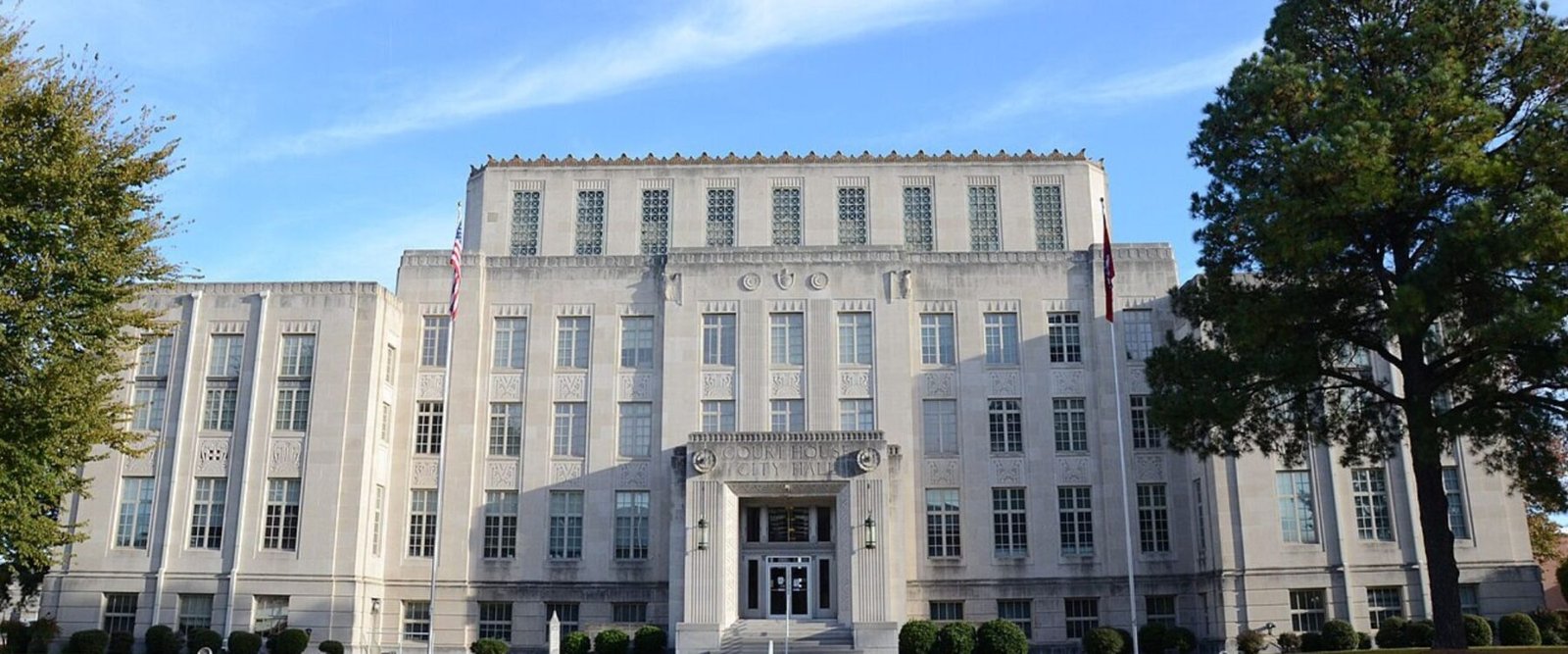
The Trump administration faced( numerous legal challenges) during its time in office, resulting in a series of significant court losses that shaped policy implementation and influenced political debate across the United States. From immigration measures to executive actions and regulatory decisions, federal courts frequently became battlegrounds where administration policies were scrutinized.
Many of these legal disputes attracted national attention because they involved constitutional questions, executive authority, and the limits of presidential power. As legal experts continue to analyze these rulings, the administration’s courtroom record remains an important part of its political legacy.
⚖️ Trump Administration Legal Challenges
Federal courts reviewed numerous administration policies involving immigration, healthcare, environmental regulations, executive authority, and administrative actions.
Immigration Policies Faced Intense Judicial Scrutiny
One of the most prominent areas of legal conflict involved immigration policy. Several administration initiatives encountered resistance in federal courts, leading to temporary blocks, revisions, and extended legal battles.
The travel restrictions imposed on certain countries generated widespread debate and multiple lawsuits. While some portions of the policy ultimately survived legal review, other immigration measures faced setbacks at various court levels. Programs involving asylum procedures, border enforcement, and immigration processing also became subjects of judicial examination.
These cases highlighted the role of the judiciary in reviewing executive actions and ensuring compliance with federal law and constitutional principles.
Challenges to Executive Authority Reached the Courts
The administration frequently relied on executive orders to advance policy objectives. However, several of these actions encountered legal opposition from states, advocacy groups, and affected organizations.
Courts were often asked to determine whether executive authority had been exercised within legal boundaries. In some instances, judges concluded that agencies had not followed required administrative procedures before implementing policy changes.
These rulings underscored the importance of procedural requirements within the federal government and demonstrated that executive actions remain subject to ( judicial review regardless of political priorities. )
Environmental and Regulatory Decisions Encountered Setbacks
Environmental regulations became another major source of litigation during the Trump administration. Efforts to revise or reverse existing rules were challenged by environmental organizations, state governments, and industry stakeholders.
Federal courts reviewed decisions involving emissions standards, environmental protections, and regulatory enforcement. In several cases, judges determined that agencies had not adequately justified policy changes or failed to meet legal requirements established under federal statutes.
The legal outcomes reflected broader tensions between regulatory reform efforts and longstanding environmental protections. These disputes also reinforced the significance of administrative law in shaping government policy.
Census and Administrative Decisions Produced Major Court Battles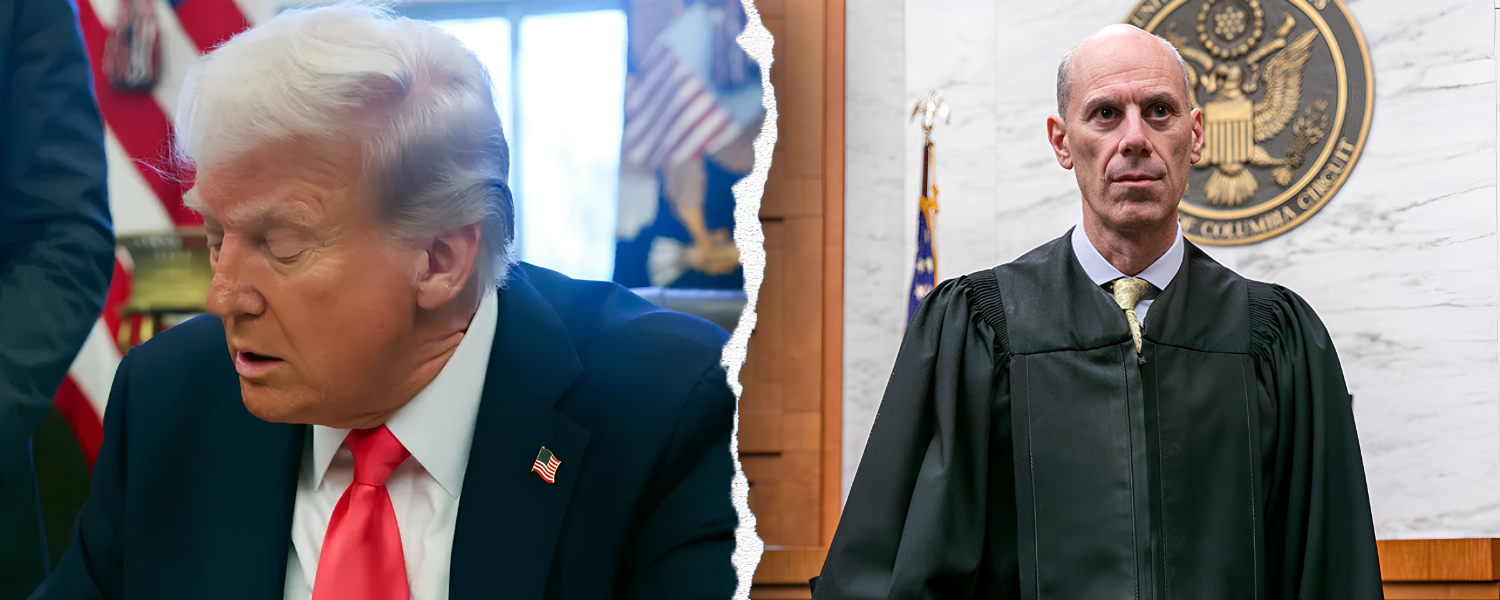
Among the administration’s most closely watched legal setbacks was the controversy surrounding the proposed citizenship question for the national census. The issue generated extensive litigation and eventually reached the highest levels of the judicial system.
Critics argued that the question could affect participation rates and alter census accuracy. Courts examined the rationale provided by government officials and evaluated whether administrative procedures had been properly followed.
The resulting legal decisions attracted significant public attention and demonstrated how administrative actions can face extensive scrutiny when they have potential consequences for representation, funding, and public policy.
Healthcare Related Disputes Added to Legal Challenges
( Healthcare policies ) also contributed to the administration’s legal difficulties. Various actions involving healthcare regulations, insurance requirements, and administrative rule changes became subjects of litigation.
Opponents argued that certain policy adjustments conflicted with existing federal laws or exceeded administrative authority. Courts evaluated these claims while considering statutory requirements and agency responsibilities.
Although outcomes varied across different cases, healthcare litigation remained a recurring issue throughout the administration. The disputes highlighted the complexity of implementing healthcare reforms within an established legal framework.
State Governments Played a Major Role in Litigation
A defining feature of many legal challenges was the active participation of state governments. Several states filed lawsuits seeking to block or modify federal policies they considered unlawful or harmful to residents.
Attorneys general frequently coordinated legal strategies, creating multistate coalitions that pursued cases in federal courts. This trend reflected an evolving relationship between federal and state governments in policy disputes.
The growing role of state led litigation demonstrated how legal action can serve as a significant tool for challenging federal initiatives and influencing national policy outcomes
.
Supreme Court Decisions Delivered Mixed Results
While the administration experienced numerous legal losses, its overall record before the Supreme Court was more complex. Some major cases resulted in victories, while others ended in setbacks or partial defeats.
The Supreme Court often addressed issues involving executive authority,( immigration, administrative law, )and regulatory policy. Decisions from the nation’s highest court shaped the final outcome of several high profile disputes.
Legal analysts note that lower court losses do not always determine ultimate results, particularly when cases advance through the appeals process. Nevertheless, repeated courtroom battles reflected the intense legal scrutiny surrounding administration policies.
⚖ Impact Areas
Government Policy
Court decisions influenced how federal agencies implemented major policy changes.
Legal Precedent
Several rulings contributed to future interpretations of executive authority.
Political Debate
Legal outcomes became major discussion points across the political spectrum.
Political and Legal Legacy of Court Defeats
The legal losses experienced during the Trump administration continue to influence discussions about presidential authority and government accountability. Court rulings established precedents that may affect future administrations regardless of political affiliation.
Supporters often argued that many policies pursued legitimate objectives and faced politically motivated opposition. Critics contended that repeated defeats revealed weaknesses in policy development and implementation.
Regardless of perspective, the administration’s legal record remains an important case study in the interaction between the executive branch, the judiciary, and federal agencies. The outcomes illustrate how courts can shape public policy through legal review.
Conclusion
The Trump administration’s legal losses represented a significant aspect of its governing experience. Court challenges affected immigration policies, environmental regulations, healthcare initiatives, administrative decisions, and executive actions.
These cases demonstrated the central role of the judiciary in reviewing government policies and ensuring adherence to constitutional and statutory requirements. While some administration initiatives ultimately prevailed, numerous setbacks underscored the challenges of implementing ambitious policy changes within the American legal system.
As scholars, policymakers, and legal experts continue examining these rulings, the administration’s courtroom record remains a notable chapter in modern United States political history.
For more latest news, in-depth stories, and trending insights from around the world, keep visiting WikiWala and stay connected to what truly matters every day.
Disclaimer
This article is intended for informational and educational purposes only. It does not provide legal, political, or professional advice. The content is based on publicly available information and court proceedings. Readers should consult official legal records and qualified professionals for detailed guidance or analysis.
Sources
(Reuters)
(United States Supreme Court)
(Congressional Research Service)
(Department of Justice)
(Federal Judicial Center)
(National Archives)
(Pew Research Center)

.webp)