A powerful winter storm has intensified across multiple regions, bringing with it a dangerous combination of heavy snowfall, freezing temperatures, and strong winds. The storm has disrupted transportation systems, caused widespread power outages, and forced millions of residents to adjust their daily routines as authorities continue to monitor the evolving situation.
Meteorological agencies such as the National Weather Service and the National Oceanic and Atmospheric Administration had issued early warnings days before the storm’s arrival. However, the intensity and scale of the storm have surpassed initial forecasts in several regions, raising concerns among officials and residents alike.
Severe Weather Conditions Grip Entire Regions
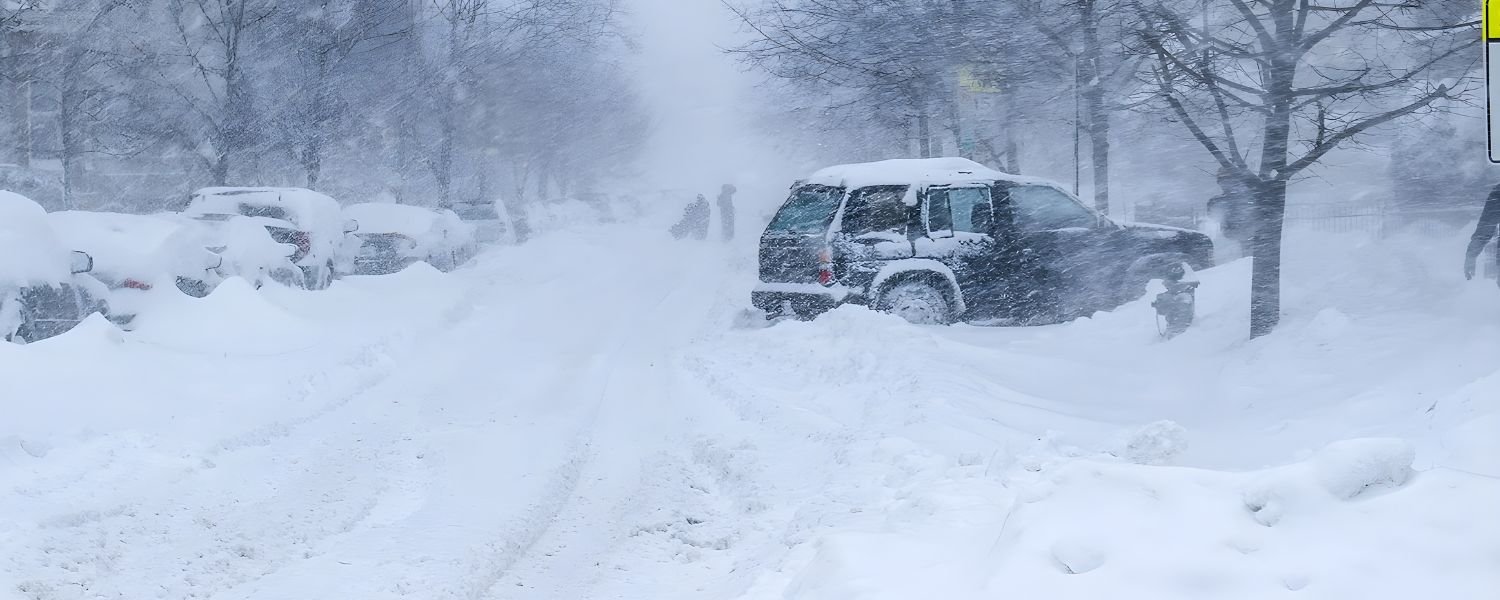
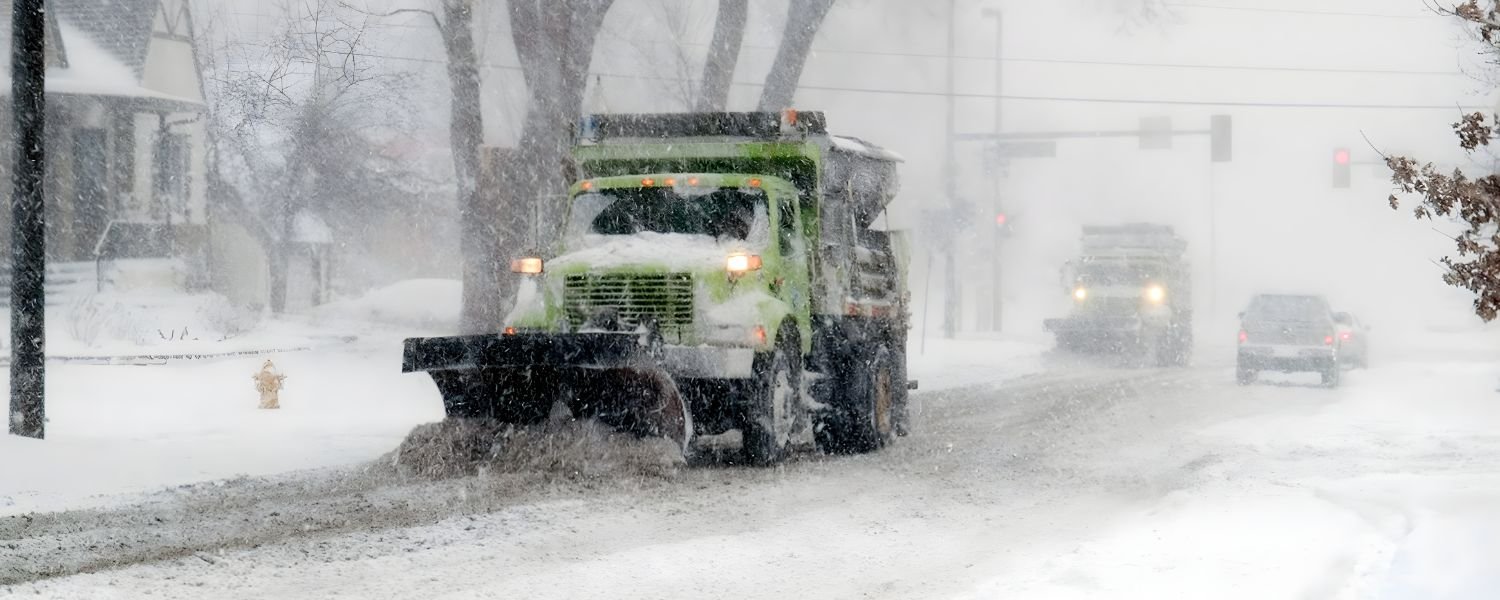
The winter storm has blanketed cities and rural areas alike in thick layers of snow, with some locations reporting record-breaking accumulation. Visibility has been drastically reduced due to blowing snow and strong winds, creating hazardous conditions for both pedestrians and drivers.
Wind gusts have further worsened the situation, leading to whiteout conditions in certain areas. These conditions make it nearly impossible to see beyond a few meters, increasing the risk of accidents and leaving many travelers stranded.. In some regions, the cold has reached life-threatening levels, prompting emergency advisories and warnings from local authorities.
Transportation Systems Brought to a Standstill
One of the most significant impacts of the winter storm has been on transportation. Major highways have been shut down due to snow accumulation and icy surfaces, while emergency services struggle to keep roads clear.
Air travel has been severely affected, with thousands of flights canceled or delayed. Airports have been overwhelmed with stranded passengers, many of whom are facing long waits for rescheduled flights.
Rail services have also been disrupted, with trains delayed or suspended due to safety concerns. Public transportation systems in urban areas have been operating at reduced capacity, making it difficult for essential workers to commute.
Authorities have repeatedly urged citizens to stay indoors unless absolutely necessary. Travel advisories and safety updates from the National Weather Service continue to highlight the dangers posed by the storm.
Power Outages and Infrastructure Challenges
As the storm continues, power outages have emerged as a major concern. Heavy snow and ice accumulation have weighed down power lines, causing them to snap in several areas. Strong winds have also contributed to infrastructure damage.
Thousands of homes and businesses have been left without electricity, forcing residents to rely on alternative heating sources. Utility companies are working tirelessly to restore power, but severe weather conditions are slowing down repair efforts.
In response, local governments have set up warming centers to provide shelter and relief to those affected. These centers are particularly crucial for vulnerable populations, including the elderly and individuals without access to adequate heating.
Impact on Communities and Daily Life
The winter storm has disrupted nearly every aspect of daily life. Schools have been closed, and many businesses have temporarily shut down or shifted to remote operations. For many people, working from home has become the only viable option.
Grocery stores have seen a surge in demand as residents rush to stock up on essentials. Shelves have been emptied of key items such as bottled water, canned food, and batteries. This sudden increase in demand has put pressure on supply chains already affected by weather conditions.
Healthcare systems are also facing challenges. Hospitals have reported an increase in weather-related injuries, including slips, falls, and cases of frostbite.
Community support has played a vital role during this crisis. Neighbors have been helping each other with supplies, clearing snow, and checking on vulnerable individuals. Such acts of solidarity highlight the resilience of communities in the face of adversity.
Economic Impact of the Storm
Beyond immediate disruptions, the winter storm is expected to have a significant economic impact. Businesses forced to close temporarily are facing financial losses, while transportation disruptions are affecting the movement of goods and services.
Airlines, in particular, are experiencing substantial losses due to canceled flights and operational challenges. Retail businesses are also being impacted, as fewer customers are able to visit stores during the storm.
The cost of recovery is another concern. Repairing damaged infrastructure, restoring power, and clearing snow require substantial resources. Governments may need to allocate additional funds to support recovery efforts and assist affected communities.
Climate Change and Extreme Weather Trends
Experts have increasingly linked the growing intensity of winter storms to broader climate patterns. While winter storms are a natural part of seasonal weather, their frequency and severity appear to be increasing.
According to scientists, rising global temperatures can lead to more moisture in the atmosphere. This increased moisture can result in heavier snowfall during winter storms, even as overall temperatures rise.
The Intergovernmental Panel on Climate Change has emphasized that climate change is likely to contribute to more extreme weather events, including severe winter storms. This highlights the need for long-term strategies to mitigate climate risks and enhance resilience.
Safety Guidelines and Public Awareness
Authorities have issued clear safety guidelines to help residents cope with the storm:
- Stay indoors and avoid unnecessary travel
- Keep emergency supplies, including food, water, and flashlights
- Dress in multiple layers to protect against extreme cold
- Avoid using unsafe heating methods that could cause fires or carbon monoxide poisoning
- Check regularly on elderly neighbors and vulnerable individuals
Drivers who must travel are advised to carry emergency kits, including blankets, food, and a fully charged phone. Keeping fuel tanks full and informing others of travel plans can also help in case of emergencies.
Public awareness campaigns have been crucial in spreading these messages. Social media platforms and official websites are being used to provide real-time updates and safety information.
What Lies Ahead
Meteorologists continue to monitor the storm closely, with forecasts indicating that some regions may experience further snowfall and freezing temperatures in the coming days. While conditions may begin to improve in certain areas, others could remain under severe weather alerts.
The aftermath of the storm will require coordinated efforts from authorities, businesses, and communities. Clearing roads, restoring power, and repairing infrastructure will take time, and the full extent of the damage may not be immediately apparent.
Long-term planning will be essential to better prepare for future storms. Investments in infrastructure, emergency response systems, and climate resilience can help reduce the impact of such events.
As the storm gradually subsides, the focus will shift toward recovery and rebuilding. Communities will once again demonstrate their resilience, coming together to overcome the challenges posed by this powerful winter storm.
Disclaimer
This article is published by WikiWala for informational and educational purposes only. While every effort has been made to ensure accuracy, the information is based on publicly available sources and may be subject to updates or changes. WikiWala does not claim ownership of any third-party content referenced. Readers are advised to verify information from official sources before making any decisions based on this content.
For more latest news, in-depth stories, and trending insights from around the world, keep visiting WikiWala and stay connected to what truly matters every day.
Sources

.webp)